USTR Seeks to Extend China Port Fee Suspension to 2027
The U.S. Trade Representative has proposed extending the suspension of Section 301 port fees on China-linked vessels through January 9, 2027, pushing the potential return of tariffs beyond November 2026.
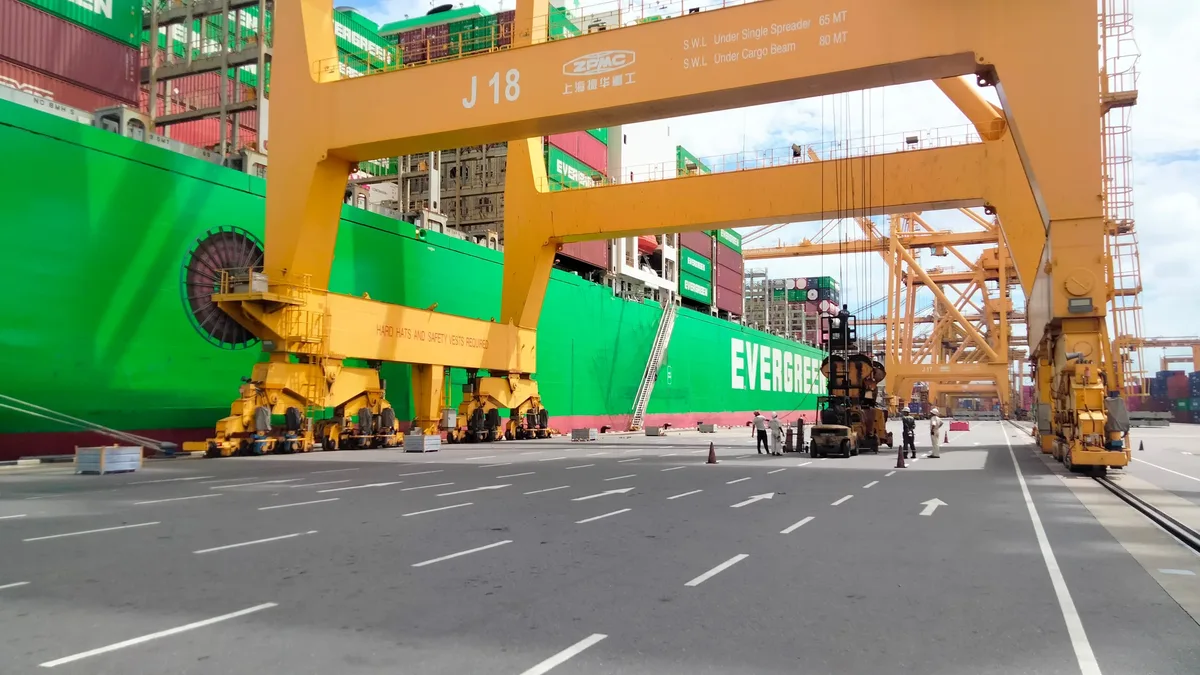
The Trump administration has proposed extending the suspension of Section 301 port fees on China-linked vessels through January 9, 2027. This move would prolong a pause in tariffs that was set to expire on November 9, 2026, covering the period from November 10, 2026, through early January. The extension has not yet been finalized.
The U.S. proposed extending the suspension of trade measures linked to China's maritime, logistics and shipbuilding industries. This would maintain a pause in responsive actions under Section 301 of the Trade Act of 1974.
Scope and History of the Section 301 Measures
The suspension applies to China-owned, China-operated, and China-built vessels calling at U.S. ports, as well as certain foreign-built vehicle carriers. The dispute began after five U.S. labor unions petitioned the government in March 2024 to investigate China's position in maritime transport. The original Section 301 investigation was launched during the Biden administration following that petition by the United Steelworkers and other labor organizations.
In January 2025, USTR determined that China's industrial policies and subsidies distorted global competition and undermined U.S. commerce, making them actionable under Section 301. The notice does not address whether China will extend its own suspension of retaliatory fees on U.S.-linked vessels.
Economic Impact on U.S. Carriers and Global Trade
Washington began collecting the fees on October 14, 2025, and suspended them on November 10, meaning the measures were in effect for less than four weeks. The original fees threatened to impose substantial costs on carriers and disrupt established shipping networks.
U.S. carrier Matson reported incurring $6.4 million in reciprocal Chinese port fees during the brief period the measures were active. China’s state-owned COSCO faced an estimated $1.5 billion in annual U.S. charges from the original fees. The International Chamber of Shipping and World Shipping Council welcomed last year’s suspension, warning that competing U.S. and Chinese measures risked increasing transportation costs and disrupting global trade. The measures could affect operating costs and trade routes for shipping companies, port operators, equipment suppliers and exporters.
Political and Industry Reactions
Senators Mark Kelly and Elizabeth Warren urged the administration to immediately reinstate the measures in June. They argued that the suspension undermined efforts to rebuild the U.S. commercial shipbuilding industry. Chinese yards now account for more than half of global commercial vessel production, compared with just 0.1% for the United States.
Industry leaders expressed concerns over customer impacts. Andy Abbott, CEO of ACL, stated that port fees would impact ACL’s growing U.S. export business and cause customer concerns about redeploying ships to China trade.
Broader Maritime Fee Proposal and Next Steps
The administration is considering a broader port fee system under its Maritime Action Plan, which would impose fees on all foreign-built commercial vessels calling at U.S. ports. The proposed broader plan could generate as much as $1.5 trillion over 10 years at the upper end of the fee range.
| Fee Range | Potential 10-Year Revenue (Upper End) |
|---|---|
| 1 cent to 25 cents | $1.5 trillion |
USTR opened a public comment period on the extension, with submissions due by 5 p.m. Eastern Time on October 30. In April 2025, the U.S. announced measures including fees affecting Chinese-linked vessels plus duties on ship-to-shore cranes and cargo-handling equipment. The suspension was intended to create space for negotiations while the U.S. continued domestic efforts and discussions with allies. The reported January 9, 2027, date should not be treated as a final extension or as proof that the underlying dispute has been resolved. The next step would be publication of a formal USTR notice confirming the proposed dates, scope and process for the extension.