Life as a River Pilot for Cruise Ships
A retired harbor pilot with decades of experience guiding vessels through Jacksonville's St. John's River has shared insights into the challenging and often misunderstood profession.
Captain Bryson, since retired, has spent over 25 years navigating the St. John's River, with a background in sailing and maritime training dating back to his early teens.
He began his formal maritime training at the age of 12 on the sailing ship Joseph Conrad and started sailing as Master at the age of 26 on coastal vessels and 31 on ocean-going vessels.
As a harbor pilot, Captain Bryson's duties involve directing and controlling the movement of vessels, including cargo and cruise ships, into and out of Florida's deep-water ports.
All non-U.S.-flag cargo and cruise ships must take a state-licensed harbor pilot when entering Florida waters, while U.S. flag cargo and cruise vessels are not required by statute to take a state pilot, though it is rare for them to not take a pilot.
The process of piloting vessels is far from easy, with pilots needing to familiarize themselves with the ship's navigational equipment, performance characteristics, and machinery, as well as communicate with the crew on the bridge.
The language barrier can also be a challenge, with some crew members speaking limited English.
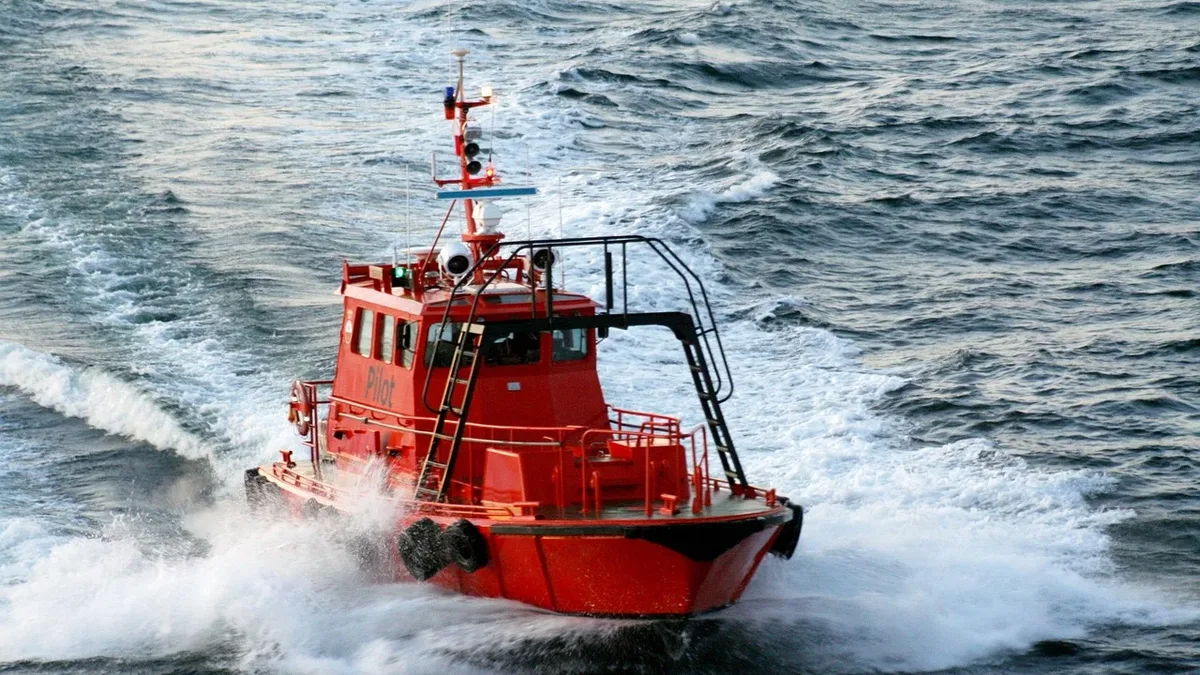
The transfer process from the pilot boat to the cruise ship is one of the riskiest parts of the job, with pilots frequently injured or killed during the process.
Electronic charts are used on some piloting instruments, but paper charts are still used as a safeguard against technological failure.
Private boaters can be a nuisance or a danger, with some being rude or disrespectful to pilots navigating the ship.
River currents have a significant impact on navigation, with pilots needing to adjust their approach to handle the vessel in different conditions.
Computers are unlikely to replace the job of a river pilot, with Captain Bryson believing that artificial intelligence cannot anticipate and react to changing circumstances.
Despite the challenges, Captain Bryson finds the job to be incredibly fulfilling, combining decades of experience with intimate knowledge of local waters to safely guide cruise ships and cargo vessels through challenging waterways.
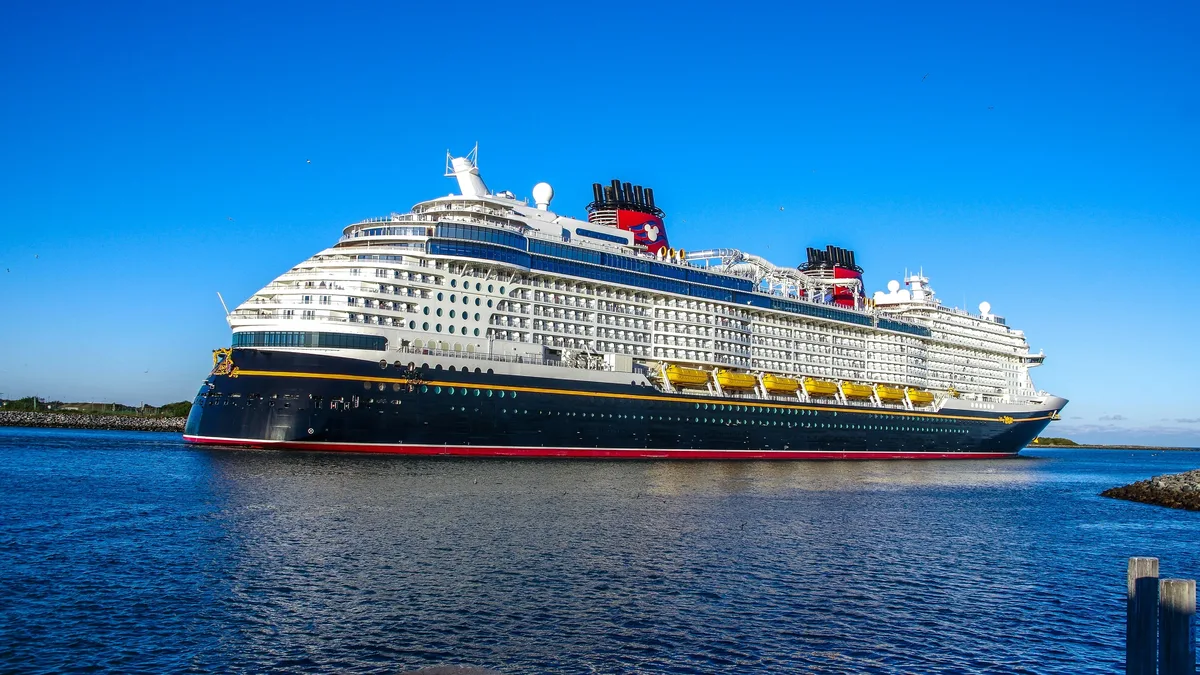
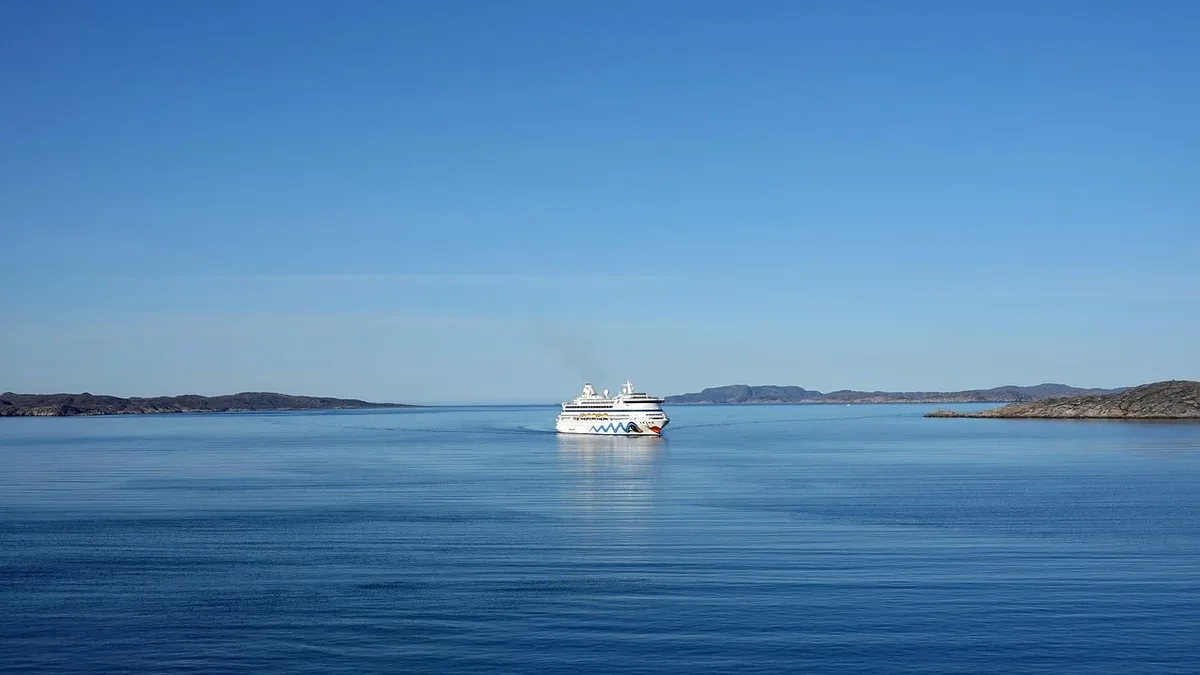
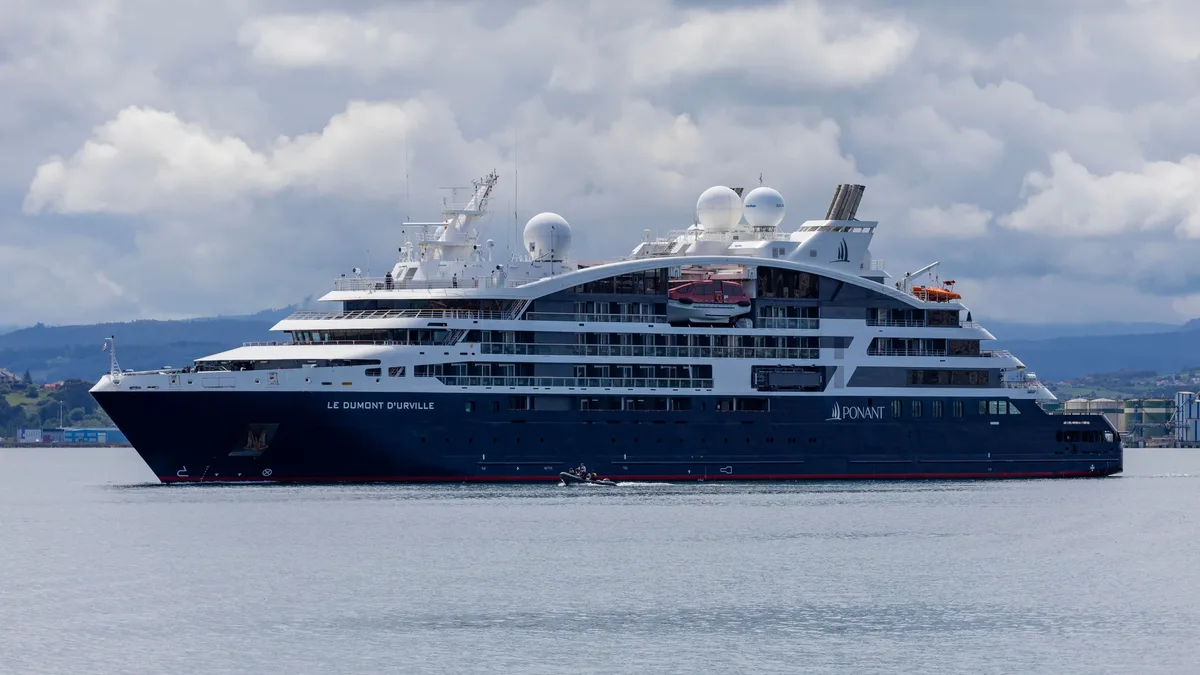
The next time you watch a cruise ship navigate a narrow channel, remember the highly trained professional on the bridge whose entire career has prepared them for that precise moment.
The Risks and Rewards of River Piloting
River pilots face a high-risk profession, with the slightest lapse in concentration potentially resulting in a major disaster.
The risks involved include loss of life, massive environmental damage, and massive property damage.
In the event of a significant incident, pilots face not only the loss of their license but also the end of their career, personal financial ruin, and massive uninsurable liabilities.
Despite these risks, Captain Bryson finds the job to be incredibly fulfilling, with a sense of pride and accomplishment at the end of each task.
The Importance of River Pilots
River pilots play a crucial role in maritime safety, combining decades of experience with intimate knowledge of local waters to safely guide cruise ships and cargo vessels through challenging waterways.
Their expertise is essential in navigating narrow channels and handling vessels in different conditions.
The next time you watch a cruise ship navigate a narrow channel, remember the highly trained professional on the bridge whose entire career has prepared them for that precise moment.