UK Shipping Industry Forms Coalition for Alternative Marine
The UK Chamber of Shipping and CLIA have launched the UK Alternative Maritime Fuels Coalition to accelerate the shipping sector's transition to
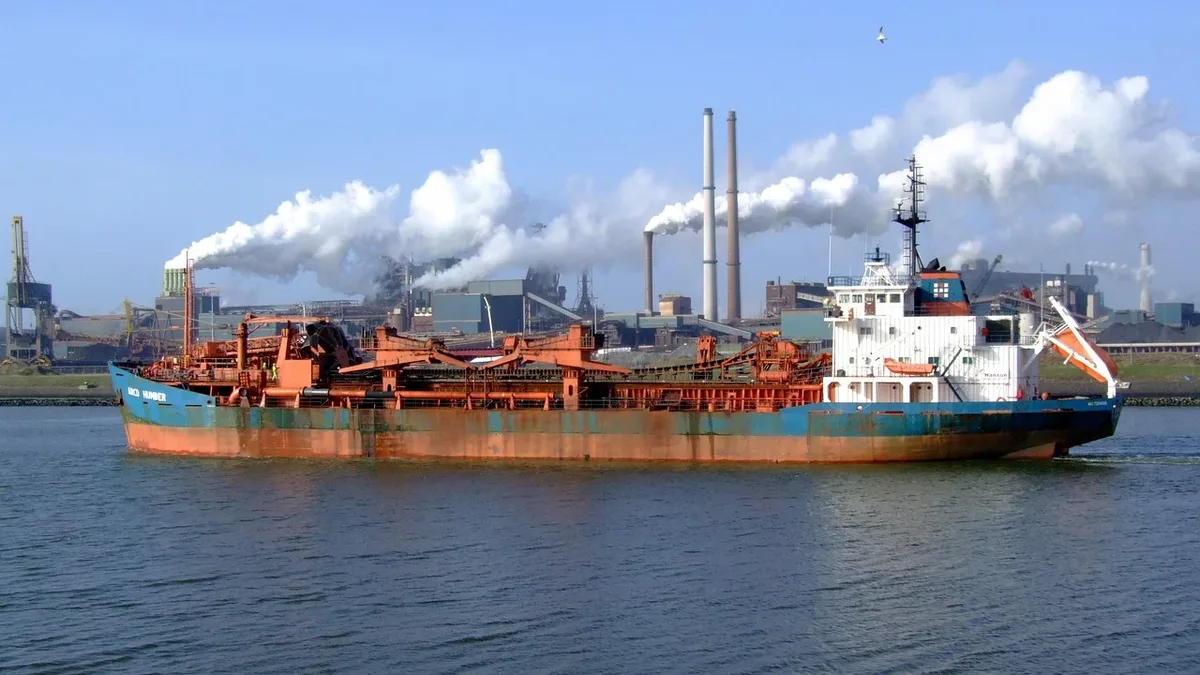
The UK Chamber of Shipping and the Cruise Lines International Association (CLIA) have announced the creation of the UK Alternative Maritime Fuels Coalition. This new group aims to accelerate the maritime industry's transition to lower-carbon emission fuels.
The coalition brings together shipowners, fuel suppliers and producers, and maritime technology developers. Its primary focus will be on one of the key challenges of maritime decarbonization: ensuring the UK has the necessary fuels, infrastructure, and regulatory framework to support the sector's move toward net zero.
Rhett Hatcher, the chief executive of the UK Chamber of Shipping, stated that access to alternative fuels is a defining challenge for the future of UK shipping. "Access to alternative fuels is one of the defining challenges for the future of UK shipping." Hatcher said.
Coalition Objectives and Membership
The coalition will be jointly help by the UK Chamber of Shipping and CLIA. Its membership includes a wide range of industry associations focused on energy and fuel technologies.
Among its main goals is coordinating industry actions to support the maritime energy transition. It also plans to provide evidence-based input for the upcoming UK government consultation on regulating domestic-use maritime fuels.
A Technologically Neutral Approach
The organization will seek to promote a technologically neutral approach. This framework is intended to favor investments in alternative fuels, port infrastructure, and enabling technologies.
Andy Harmer, the chief executive of CLIA for the UK and Ireland, emphasized the practical requirements for transition. He said the shift to lower-emission fuels depends on their availability at scale and in the locations where ships need them. This must be backed by the necessary infrastructure and a regulatory framework that encourages investment and innovation.
Harmer added that the coalition will allow the maritime, energy, and technology sectors to come together. The aim is to identify practical solutions and support a performance-based approach focused on full lifecycle emissions.
Funding and Future Action
Another key objective will be to request that revenue from the UK Emissions Trading Scheme (UK ETS) associated with shipping be directed toward sector decarbonization initiatives. This would include funding for fuel production, port infrastructure, and the deployment of new technologies.
Hatcher stressed the need for collaboration between industry and government. If the UK aims to lead in maritime decarbonization, he argued, the right conditions for investment in fuels, infrastructure, and new technologies must be created.
The UK Alternative Maritime Fuels Coalition will hold regular meetings and continue to be jointly coordinated by its two founding organizations.