Royal Caribbean
| Cruise line | Royal Caribbean International |
|---|---|
| First created | 1968 |
| Original use | Leisure cruising |
| Ship class examples | Oasis class, Quantum class, Freedom class |
| Typical cabin categories | Interior, Ocean View, Balcony, Suite |
| Primary embarkation regions | Caribbean, Mediterranean, Alaska, Northern Europe |
| Onboard signature feature | Private island destinations (e.g., Perfect Day at CocoCay) |
Origin and history
Royal Caribbean was founded in the late 1960s in Norway. The company was established as a joint venture between three Norwegian shipping companies: I.M. Skaugen & Company, Anders Wilhelmsen & Company, and Gotass-Larsen. Its initial purpose was to offer cruises from Miami to the Caribbean, capitalizing on the growing demand for air-sea vacation packages. The line's first ship, the *Song of Norway*, entered service in 1970, notable for being the first modern cruise ship built specifically for warm-weather cruising. The company pioneered the concept of the mega-ship, fundamentally shifting cruise design from intimate ocean liners to large-scale floating resorts. Royal Caribbean International, now a brand of the Royal Caribbean Group, is headquartered in Miami, Florida, though its operational and maritime heritage remains firmly rooted in its Norwegian origins.
What it is for
Royal Caribbean operates cruise vacations, transporting guests to various global destinations aboard its fleet of ships. The primary product is an all-inclusive resort experience at sea, combining transportation, accommodation, dining, and entertainment into a single voyage. Itineraries range from short three- and four-night trips to longer journeys spanning multiple weeks, visiting regions like the Caribbean, Alaska, Europe, Asia, and Australia. The cruise fare typically covers the stateroom, main dining venues, select casual eateries, standard beverages, and access to most onboard activities and entertainment. The line is designed for vacationers seeking a high-energy, activity-filled holiday with numerous options included in the base price. Its purpose is to provide a consistent, large-scale resort experience accessible from multiple homeports worldwide.
Royal Caribbean ships by size
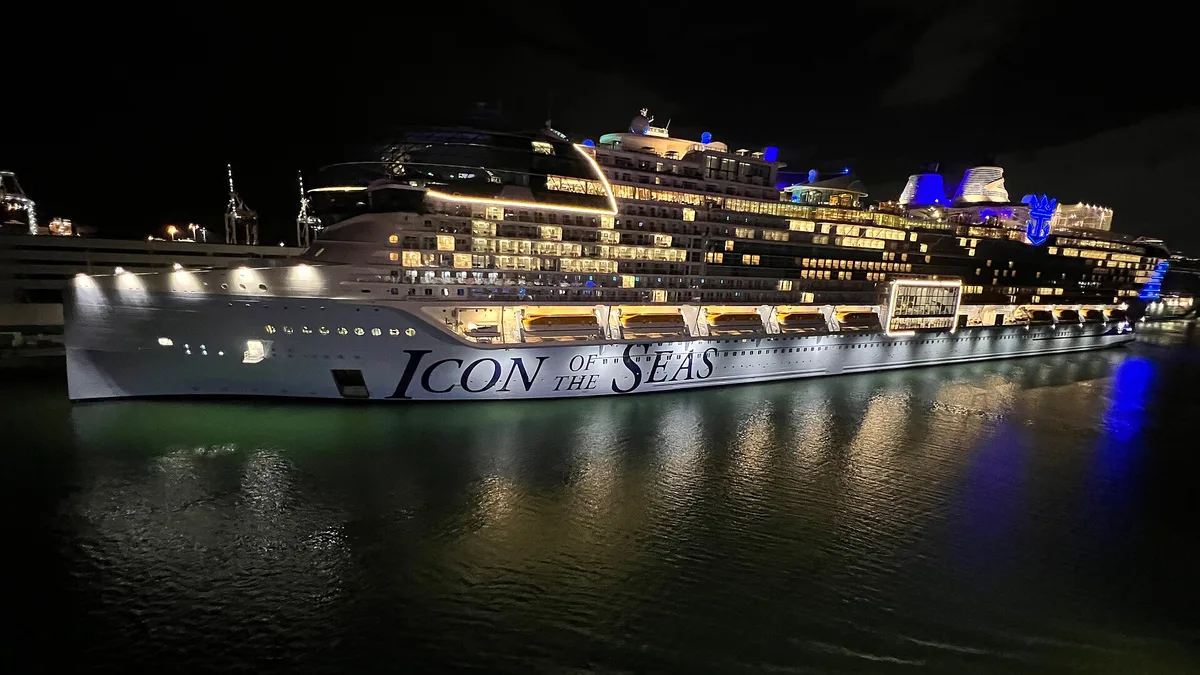
Royal Caribbean's fleet is categorized by ship class, with size measured in gross tonnage and passenger capacity. The smallest active ships in the current fleet are the *Vision* and *Radiance* classes, ranging from approximately 90,000 to 90,900 gross tons and carrying around 2,100 to 2,500 guests. The *Voyager* class, introduced in the late 1990s, was a significant leap, exceeding 130,000 gross tons and featuring the first onboard ice rink and promenade. The *Freedom* class followed, at approximately 155,000 gross tons, carrying over 3,600 passengers. The *Oasis* class, the largest cruise ships in the world, exceed 225,000 gross tons and can carry well over 5,600 guests at double occupancy. The newer *Icon* class, the first of which launched in the 2020s, surpasses 250,000 gross tons, setting new records for size and passenger capacity.
Best Royal Caribbean ships
The "best" ship depends heavily on passenger priorities, but certain classes consistently receive high marks for their features and innovation. For families, the newer *Icon*-class ships like *Icon of the Seas* offer the most contemporary and expansive array of water parks, slides, and family-focused accommodations. Travelers seeking a balance of innovative features on a slightly more manageable scale frequently prefer the *Quantum*-class ships, which feature the North Star observation capsule and indoor sports complexes. For longer itineraries or scenic destinations like Alaska, the *Radiance*-class ships, with their extensive glass and open deck space, are highly regarded. Ultimately, the best ship is the one whose itinerary, size, and specific onboard features align with a traveler's vacation goals.
Overview
Royal Caribbean operates one of the world's largest and most recognizable cruise fleets, known for its innovative ship design and wide array of onboard activities. The line's vessels are characterized by their internal promenades, expansive pool decks, Broadway-style theater shows, ice-skating performances, and signature attractions like rock-climbing walls and surf simulators. Dining options are numerous, spanning from included main dining rooms and buffets to a large selection of specialty restaurants available for an additional fee. Itineraries are global, but the line maintains a particularly strong presence in the Caribbean, offering departures from ports in Florida, Texas, and New Jersey. The onboard atmosphere is energetic and casual, geared towards active travelers and families rather than those seeking a quiet, formal sailing experience. Cabins range from interior staterooms to expansive multi-level suites, with many ships featuring unique accommodations like interior rooms with virtual balconies or suites with private sun decks.
What to know
The base cruise fare covers the stateroom, meals in the main dining room, Windjammer buffet, and select other casual venues, as well as most entertainment and standard non-alcoholic beverages. Significant additional costs are common for specialty dining, alcoholic drinks, soda packages, shore excursions, gratuities, and internet access. Booking shore excursions through the cruise line guarantees the ship will wait for late returns, but independent exploration at ports is possible for those willing to manage timing and logistics. The mandatory daily gratuity charge covers service staff and is automatically added to your onboard account, though it can usually be adjusted at the guest services desk. Royal Caribbean's "Royal Caribbean International" app is essential for managing daily schedules, booking activities and dining, and viewing your account statement while onboard. Formal nights are typically designated as "formal" or "dress your best," but the overall dress code remains relatively relaxed compared to some other mainstream lines.
Common questions
What is the minimum age to sail with Royal Caribbean? The minimum age for infants to sail is typically six months on most itineraries, though it is twelve months for certain transatlantic or remote voyages. What documents are required for a cruise? A passport is strongly recommended for all sailings, though some closed-loop cruises from the United States may accept an original birth certificate and government-issued photo ID. Is Wi-Fi included in the fare? Basic Wi-Fi is not included; internet packages must be purchased separately, with options for a single device or multiple devices. Can I bring alcohol onboard? Guests are generally not permitted to bring any alcoholic beverages onboard at embarkation, with exceptions for a limited amount of wine per stateroom on embarkation day. What is the smoking policy? Smoking is prohibited in all staterooms and on balconies; it is only permitted in designated outdoor areas and specific indoor casino spaces. Are there adults-only areas? Most ships feature an adults-only solarium, which is a covered pool area restricted to guests aged 16 and older.
Pros and cons
A significant pro is the sheer variety of included activities and entertainment, providing constant engagement for families and active travelers without constant extra charges. The innovation in ship design, from ice rinks to zip lines, creates a unique "wow" factor not found on many other lines. A major con is the potential for the ships to feel crowded, especially on sea days around popular pools, buffets, and during peak disembarkation times at ports. The base fare can be deceptively low, with the final cost ballooning due to add-ons for drinks, dining, internet, and excursions, leading to budget overruns for unprepared guests. Some passengers regret choosing Royal Caribbean if they seek a quiet, refined, or culturally immersive travel experience, as the atmosphere is decidedly high-energy and the focus is primarily on the ship itself. A common mistake is booking the cheapest interior cabin on a large ship without researching its location, potentially resulting in long walks to elevators or noise from venues directly above or below.
Who it suits
Royal Caribbean is ideally suited for families with children and teenagers, due to its extensive kids' clubs, teen lounges, and attractions like water parks and arcades. It appeals to active travelers and those who prioritize onboard amenities such as sports courts, fitness centers, and novel activities like surf simulators over destination immersion. First-time cruisers uncertain of what they enjoy often find it a safe choice because of the wide variety of options, allowing them to sample different aspects of cruising. The line suits vacationers looking for a predictable, resort-style holiday where most logistics are handled, and English is the primary language. It is less suited for travelers seeking a quiet, adult-oriented, or luxurious experience, as the environment is bustling and many premium services come at a substantial extra cost. It also may not satisfy seasoned travelers whose primary interest is deep exploration of port destinations, as the ship-centric model often results in shorter port stays compared to some smaller or premium lines.
Latest Royal Caribbean news
Latest reporting
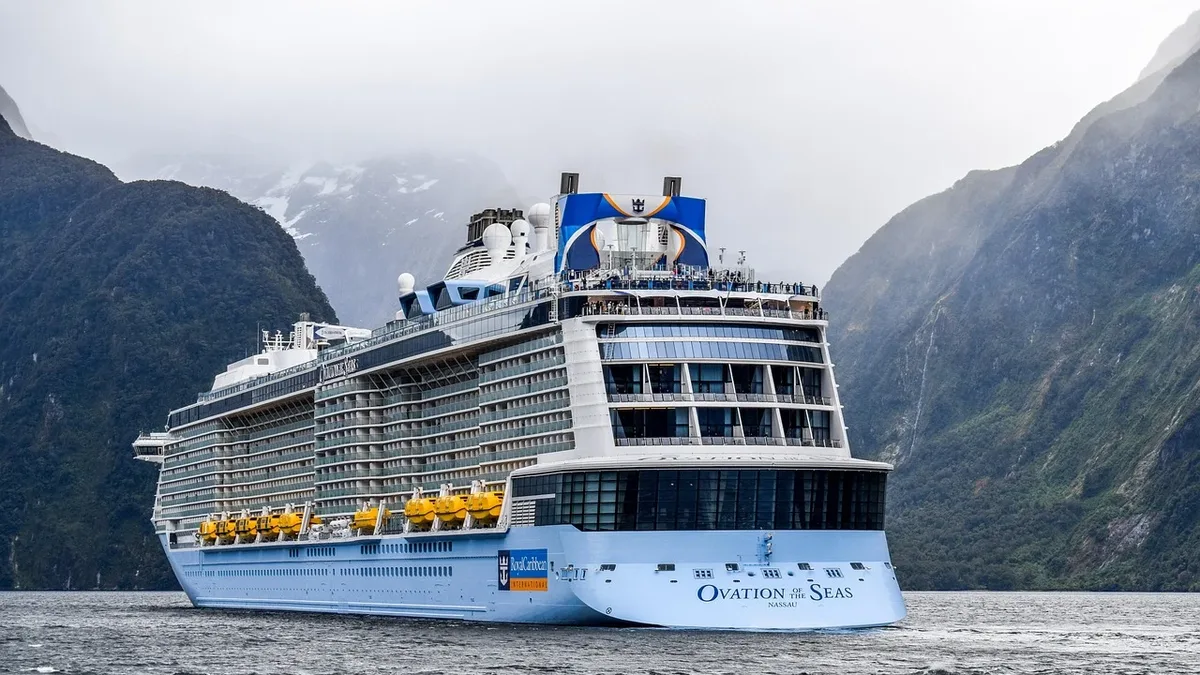
Royal Caribbean 2028 Alaska cruise
Royal Caribbean has detailed its 2028 Alaska season, deploying four ships from Seattle, Vancouver, and Seward.
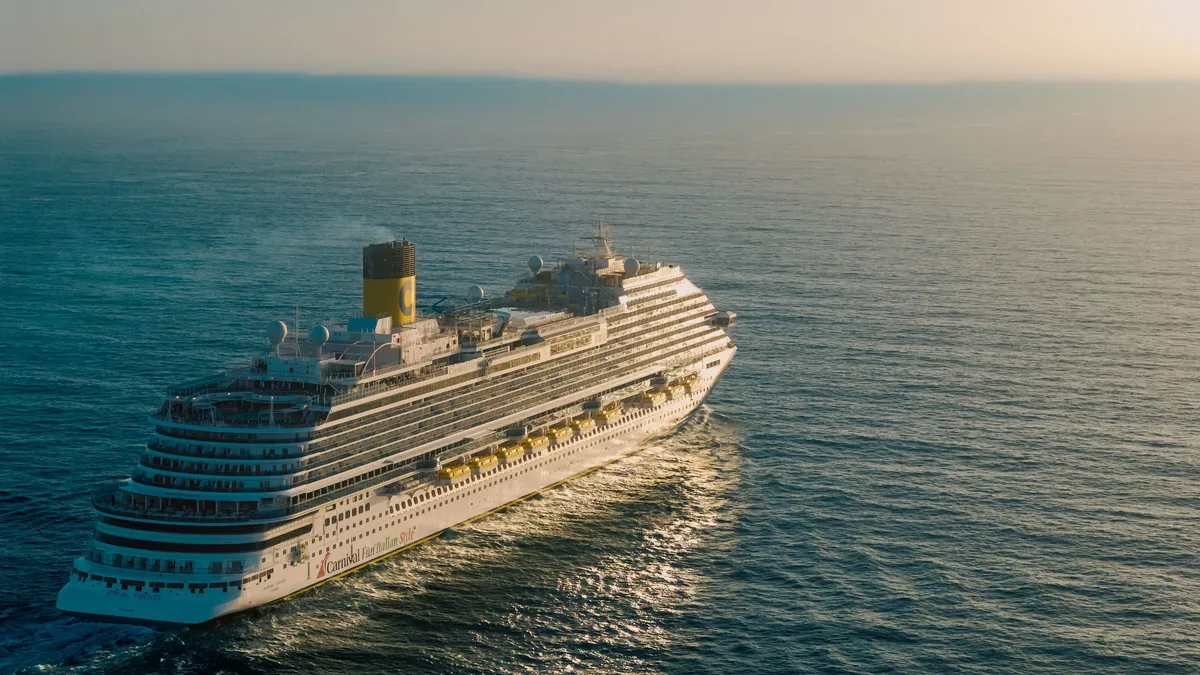
Harmony of the Seas Burst Pipe Floods Deck 10 Cabins
A burst pipe flooded passenger cabins and a corridor on Royal Caribbean's Harmony of the Seas on September 29, 2026.
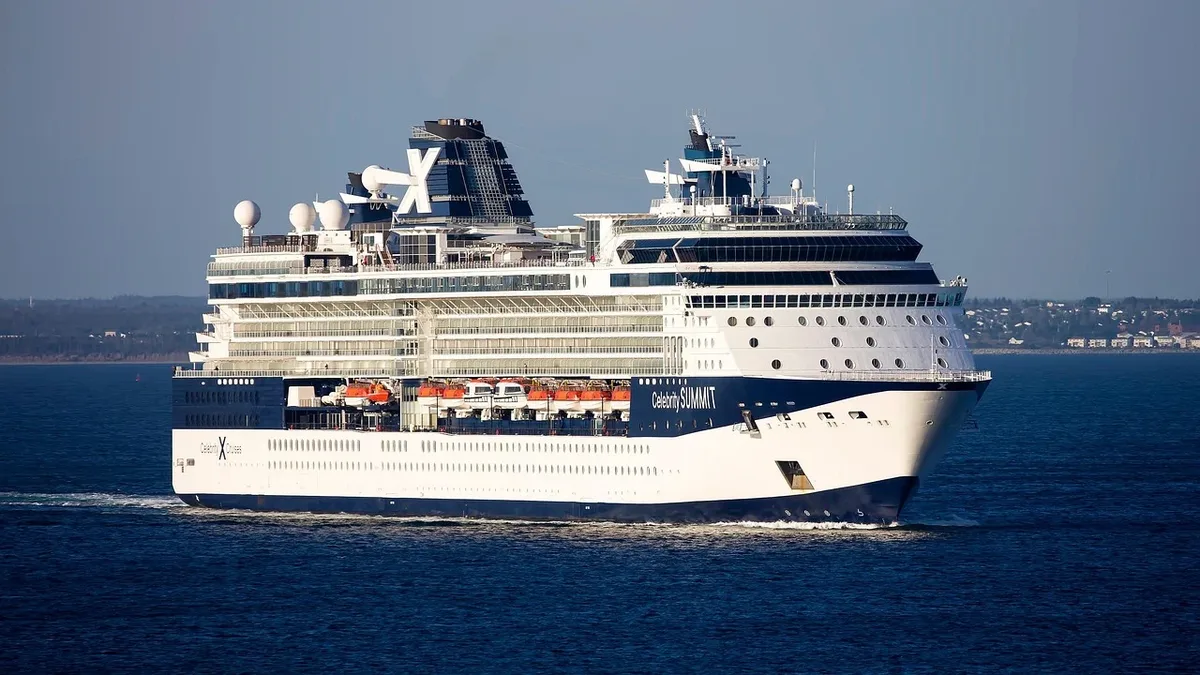
Liberty of the Seas to Use Two Southampton Terminals in 2026
Royal Caribbean's Liberty of the Seas will embark from one terminal and return to another for a September 2026 sailing from Southampton, due to a...
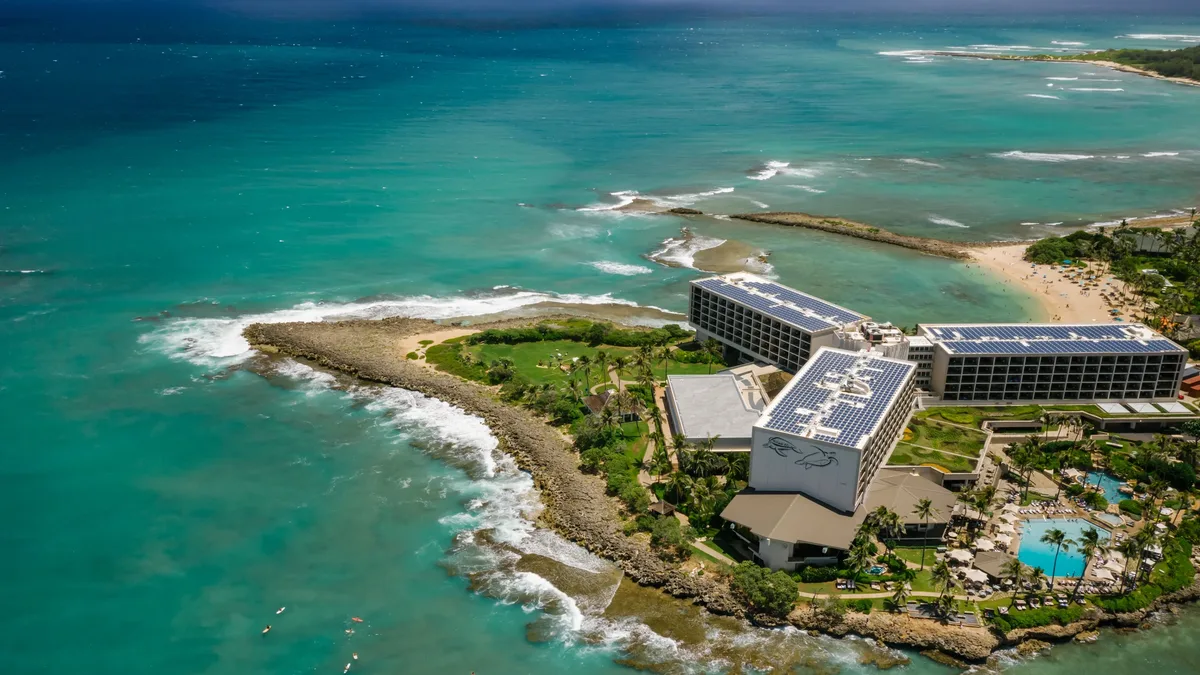
Royal Caribbean Buys 50 Percent Stake in Sandals Resorts
Royal Caribbean Group has agreed to purchase a 50 percent stake in Sandals and Beaches Resorts for about $3 billion, entering the all-inclusive land...
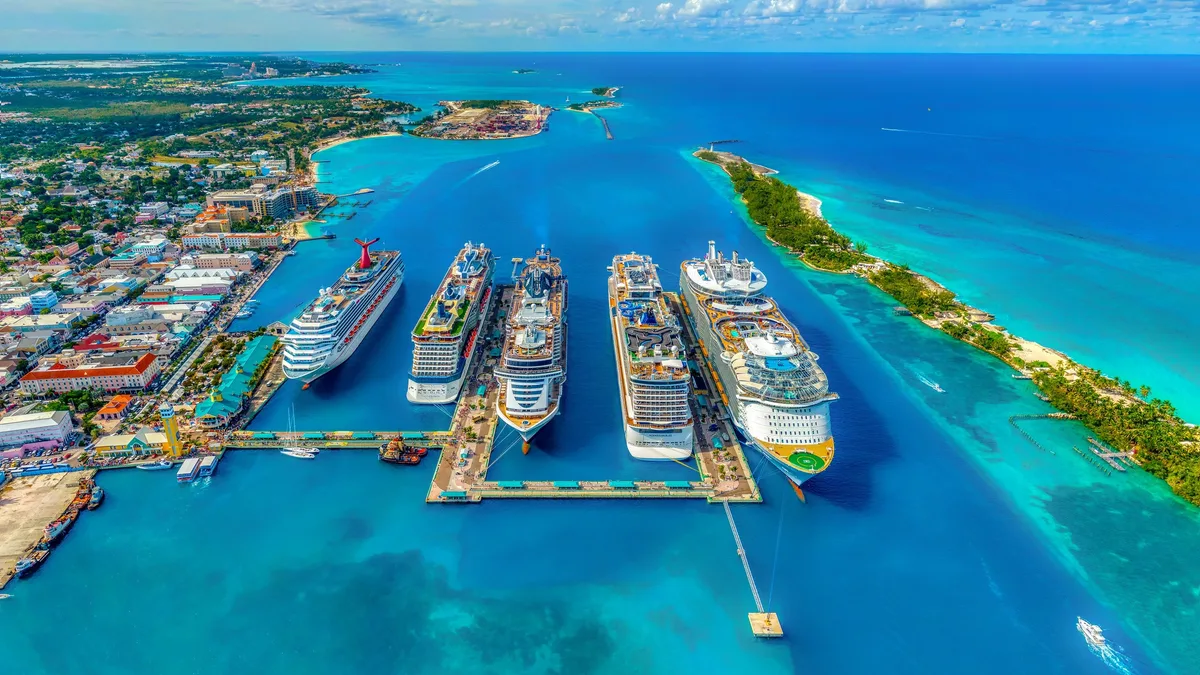
Royal Caribbean Cancels Port Day Casita Reservations
Royal Caribbean is canceling port day casita reservations on its Icon-class ships after a system error offered them at incorrectly low prices, with...

Mexican Caribbean Hoteliers Face Crisis Worse Than Pandemic
Hoteliers in Quintana Roo warn the Mexican Caribbean is facing a tourism crisis more severe than the pandemic, with air connectivity halved and hotel