
Alaska
| Cruise line | Alaska |
|---|---|
| Country of origin | United States |
| First created | 1970s |
| Original use | Regional Alaska cruises |
| Ship | MS Noordam |
| Itinerary | 7-day Alaska Inside Passage |
| Cabin types | Inside, Oceanview, Verandah, Suite |
| Port of embarkation | Vancouver, Canada |
| Port of disembarkation | Vancouver, Canada |
Origin and history
Alaska is a state of the United States of America, located in the northwest extremity of the North American continent. It was purchased from the Russian Empire by the United States in the late 19th century, with the transfer occurring in 1867. The territory was initially known as the Department of Alaska and later the District of Alaska before becoming the Territory of Alaska in 1912. It achieved statehood in the mid-20th century, officially becoming the 49th state on January 3, 1959. The region's history includes millennia of indigenous habitation by groups such as the Inuit, Yupik, and Tlingit peoples prior to Russian exploration and settlement. The discovery of gold in the late 19th century spurred significant population growth and development.
What it is for
Alaska serves as a primary destination for cruise tourism, offering passengers a route to view its extensive coastline, glaciers, and wildlife. The cruise itinerary is designed to provide access to ports in the Inside Passage, a protected network of waterways ideal for large vessels. These ports, such as Juneau, Ketchikan, Skagway, and Sitka, offer excursions focused on local culture, history, and outdoor activities like hiking and fishing. The journey itself is a key attraction, with ships sailing past towering glaciers, most notably in Glacier Bay National Park or Hubbard Glacier. The purpose of an Alaska cruise is to experience the state's remote and rugged landscape from the comfort and convenience of a cruise ship. It provides a means to visit multiple locations in a region where overland travel between communities is often difficult or impossible.
Alaska ships by size
Ships sailing Alaska itineraries range widely in size, from small expedition vessels carrying under 100 passengers to large resort-style ships carrying over 4,000. Smaller ships, often classified as expedition or boutique vessels, can navigate narrower channels and offer a more intimate, destination-focused experience. Mid-size ships, typically carrying between 900 and 2,200 passengers, are a common choice for the main Inside Passage route, balancing amenities with accessibility to standard ports. Large and mega-ships dominate the market, offering extensive onboard entertainment, dining options, and lower per-passenger costs. The physical dimensions of a ship, particularly its length and draft, determine which specific ports and waterways it can access, with only smaller vessels able to reach some secluded fjords. The size of the ship directly influences the type of experience, with larger vessels providing more onboard diversion and smaller vessels prioritizing off-ship exploration.
Best Alaska ships
The designation of "best" ship for an Alaska cruise is highly dependent on a traveler's priorities, as no single vessel excels in all categories. For immersive wildlife and scenery viewing, smaller expedition ships with expert naturalist guides and tools like Zodiac landing craft are often considered superior. For families or travelers seeking extensive onboard amenities, such as multiple restaurants, pools, and stage shows, newer large ships from major lines are frequently recommended. Ships with abundant open deck space and forward-facing viewing lounges are highly valued for glacier viewing days, regardless of overall size. Vessels with a high percentage of balcony cabins are often preferred for Alaska, allowing for private viewing of the landscape. Itinerary is as crucial as the ship itself, with the best-regarded voyages including at least one full day of scenic cruising in a major glacial area like Glacier Bay or Hubbard Glacier.
Overview
An Alaska cruise typically sails a round-trip itinerary from a Pacific Northwest port like Seattle or Vancouver, or a one-way voyage between Vancouver and Anchorage. The core route is through the Inside Passage, a scenic marine highway sheltered from the open Pacific Ocean by a chain of islands. Standard port calls include the state capital Juneau, the historic gold-rush town Skagway, and Ketchikan, known for its totem poles and rainforest. A central component of the voyage is a dedicated day of scenic cruising, where the ship maneuvers close to the face of a tidewater glacier for several hours. Onboard programming is tailored to the destination, featuring naturalist lectures, wildlife spotting sessions, and Alaskan cultural presentations. The cruise operates as a floating hotel, transporting passengers through a landscape largely inaccessible by road and providing a base for daily shore excursions.
What to know
The Alaska cruise season is relatively short, generally running from late April or May through September, with peak conditions in July and August. Weather is highly variable, and passengers must be prepared for cool temperatures, rain, and wind even in summer, alongside the possibility of warm, sunny days. Packing requires layers, waterproof outerwear, and sturdy walking shoes for port excursions, which often involve uneven terrain. Booking well in advance is common, especially for specific cabin categories or popular itineraries, due to the limited seasonal capacity. Shore excursions, which are an additional cost, range from guided hikes and whale-watching tours to flightseeing and salmon fishing, and often sell out. Understanding the itinerary details is critical, as some routes offer more scenic cruising time or access to premier sites like Glacier Bay, which has a limited number of daily ship permits.
Common questions
A common question is whether to choose a round-trip or one-way cruise, with round-trip voyages typically offering more sea days and one-way cruises allowing travel deeper into the Gulf of Alaska. Many passengers ask about the best time to see wildlife, with opportunities for whales, bears, eagles, and seals throughout the season, though specific animal sightings are never guaranteed. Travelers frequently inquire about motion sickness, with the Inside Passage generally providing calm waters, though open sea crossings can be rougher. Questions about dress code are common, with Alaska cruises being more casual than other destinations, though some ships may have optional formal nights. Passengers often ask about the necessity of booking shore excursions through the ship versus independently, with ship-sponsored tours offering convenience and a guarantee the vessel will wait. Another frequent question concerns the cost, with base cruise fares being one component and significant additional expenses for excursions, drinks, and gratuities.
Pros and cons
The structured nature of a cruise provides a clear itinerary and removes the logistical challenges of planning multi-stop travel in a remote region. A significant con is the potential for a superficial experience of Alaska, with limited time in ports and excursions that can feel rushed or overly curated compared to independent land travel. Passengers who regret choosing a cruise are often those who dislike regimented schedules, crowds during disembarkation, or the commercialized atmosphere of the main cruise ports. The common mistake is underestimating the additional costs, leading to a budget stretched thin by expensive onboard services and high-quality excursions, or conversely, choosing a ship based solely on low fare without scrutinizing its itinerary and viewing spaces. Another frequent drawback is unfavorable weather, which can obscure views and dampen the experience, with no recourse for refund or itinerary change.
Who it suits
An Alaska cruise suits travelers who prioritize comfort, convenience, and a comprehensive overview of the region's coastal highlights without the hassle of extensive planning. It is ideal for first-time visitors to Alaska, families with children or multi-generational groups, and those with mobility concerns who benefit from a stable home base. The experience suits passengers who enjoy organized tours and social atmospheres, as well as those content to view landscapes from the ship's deck between port calls. It is less suited for adventurous travelers seeking deep immersion, extended wilderness hiking, or flexible, spontaneous interaction with remote communities. Independent travelers who chafe at fixed schedules, large crowds, and packaged experiences would likely find an Alaska cruise frustrating. Ultimately, it best serves those who view the ship as an integral part of the vacation experience, not merely as transportation.
Latest Alaska news
Latest reporting
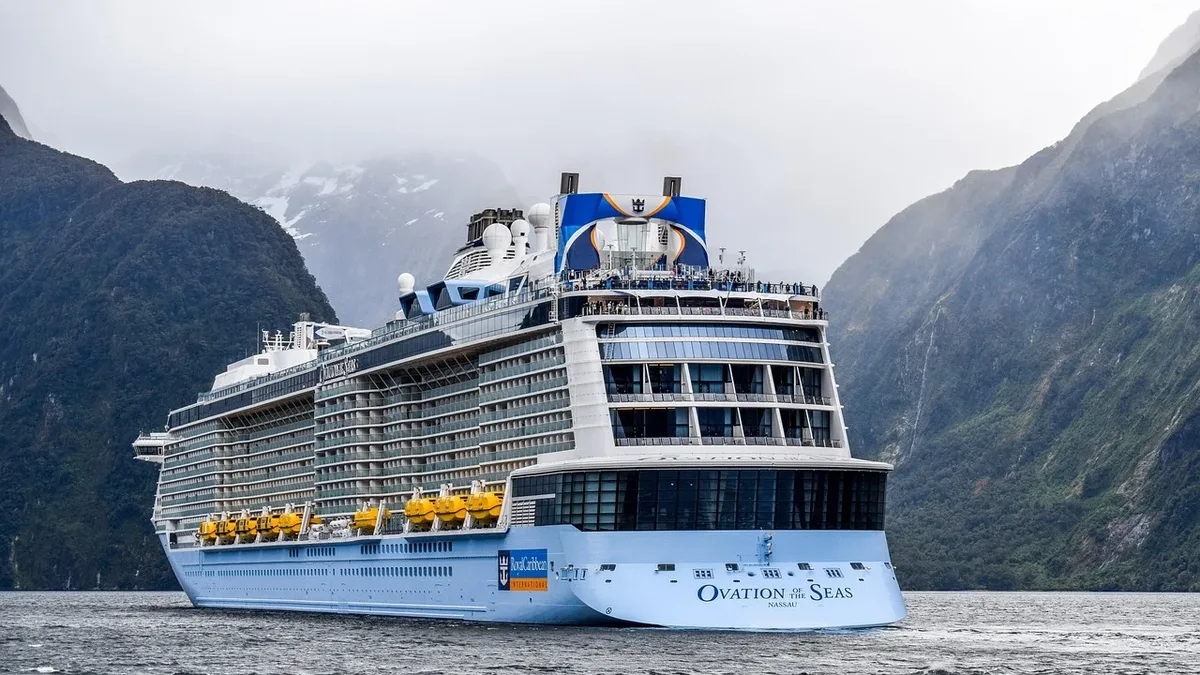
MSC Poesia Drops Endicott Arm Scenic Cruising
MSC Cruises has removed scenic cruising in Endicott Arm from three late-season Alaska sailings on MSC Poesia, citing seasonal operational...
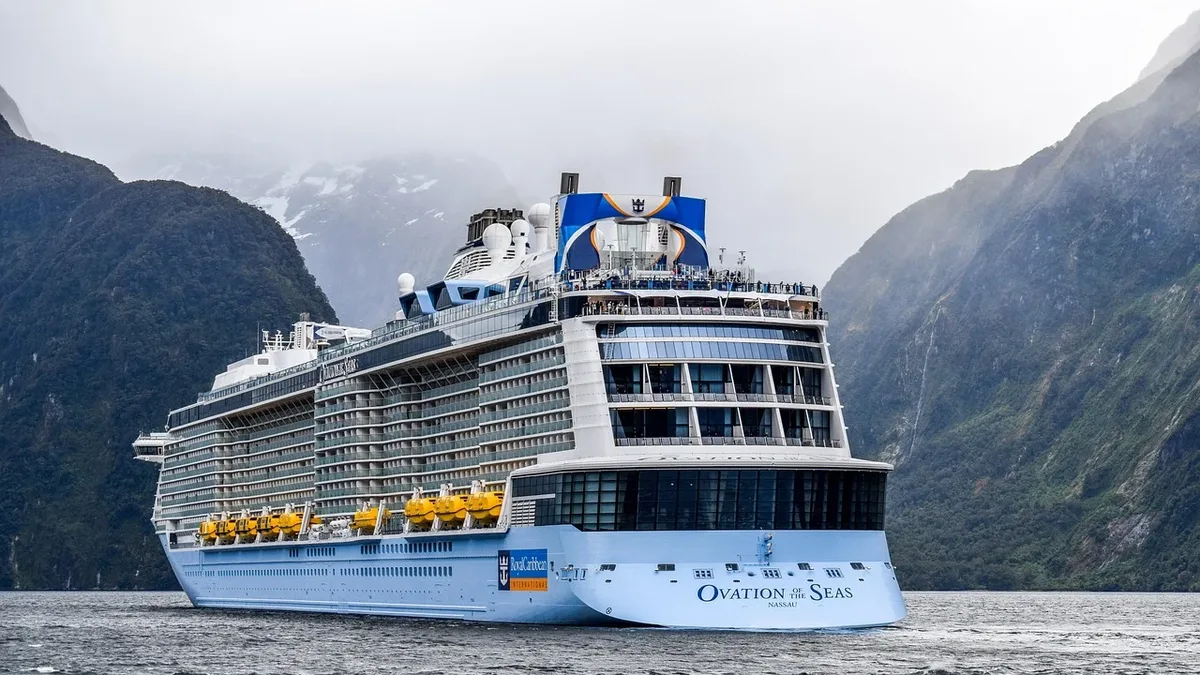
Serenade of the Seas Alaska Cruise Canceled
Royal Caribbean canceled a boarded Serenade of the Seas Alaska sailing due to a technical fault, offering refunds and future cruise credit while...
Princess Cruises offers refund, credit for
Princess Cruises is offering select guests on the sold-out September 1, 2026, Emerald Princess Alaska sailing a full refund, a 100% future cruise...
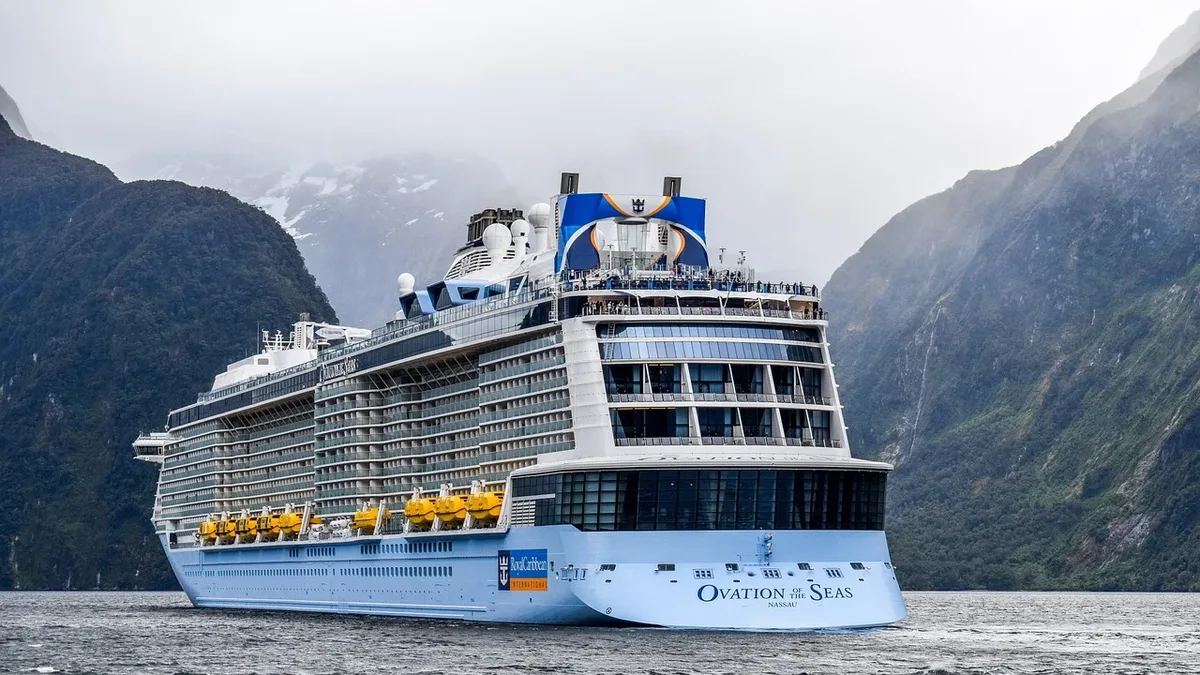
Royal Caribbean asks guests to cancel cruise
Royal Caribbean is offering guests booked on the Voyager of the Seas September 4, 2026 Alaska cruise the option to transfer to 2027 sailings or...