Alaska Inside Passage
| Vessel category | Small to medium expedition ship or coastal cruiser |
|---|---|
| Typical length | 7 to 14 nights |
| Primary sailing region | Southeastern Alaska coastal waters |
| Common embarkation port | Juneau, Alaska or Vancouver, British Columbia |
| Common disembarkation port | Juneau, Alaska or Vancouver, British Columbia |
| Typical sailing season | Late spring to early autumn |
| Key destination features | Glaciers, temperate rainforest, wildlife viewing |
| Itinerary structure | Port-to-port with days spent scenic cruising narrow channels |
Origin and history
The Alaska Inside Passage is a natural sea route stretching along the Pacific Northwest coast of North America. Its geological formation occurred over millennia, carved by glacial activity during successive ice ages. The region has been inhabited for thousands of years by Indigenous peoples, including the Tlingit, Haida, and Tsimshian, who utilized these protected waters for travel, trade, and sustenance. European exploration of the passage began in the late 18th century, with Russian, Spanish, British, and later American expeditions mapping the intricate coastline. The maritime route gained significant commercial prominence during the late 19th century Klondike Gold Rush, serving as a primary artery for prospectors heading to Skagway and the Yukon. Its modern use for tourism, specifically cruise travel, began to develop in the mid-20th century as leisure cruising expanded globally.
What it is for
The Alaska Inside Passage functions as a protected navigational channel for maritime traffic, shielding vessels from the open swells of the Gulf of Alaska. Its primary contemporary use is for commercial cruise tourism, providing a scenic route for ships to access coastal communities, glaciers, and wildlife viewing areas. The itinerary allows passengers to visit multiple ports of call, such as Juneau, Ketchikan, Skagway, and Sitka, without requiring lengthy open-ocean voyages. It also serves vital transportation and supply needs for isolated Alaskan communities, with state ferries and cargo barges regularly plying its waters. The calm waters are crucial for wildlife viewing, offering stable platforms to observe humpback whales, orcas, sea lions, and seabirds. Furthermore, the passage provides direct access to tidewater glaciers, like Hubbard Glacier or Glacier Bay, allowing ships to navigate close to active ice faces.
Pros and cons
A significant pro of an Inside Passage itinerary is the consistently calm and sheltered sailing conditions, which greatly reduce the likelihood of seasickness compared to open-ocean routes. The scenery is perpetually dramatic, with close views of forested mountains, fjords, and glaciers directly from the ship, offering value even on non-port days. The itinerary efficiently clusters several distinct ports and natural attractions within a relatively short sailing distance, maximizing destination exposure on typical 7-day voyages. A primary con is the potential for congestion, as multiple large ships can descend upon small ports simultaneously, overwhelming local infrastructure and diminishing the sense of wilderness. The weather is persistently cool and damp for much of the season, which can detract from the experience for those unprepared for rain and fog. A common mistake is underestimating the cost and logistical planning required for high-quality shore excursions, which are essential for accessing deeper wilderness experiences beyond the often-commercialized port areas.
Who it suits
This itinerary suits first-time cruisers and those prone to motion sickness who prioritize smooth sailing over expansive sea days. It is ideal for travelers whose primary interests are scenic nature viewing, temperate rainforest ecology, and glacial landscapes from the convenience of a ship. The route appeals strongly to wildlife enthusiasts, particularly those focused on marine mammals and coastal birds, as opportunities for sightings are integrated into the sailing schedule. It also suits history and culture enthusiasts interested in Gold Rush history, Indigenous heritage, and early European exploration, as ports provide access to relevant museums and sites. The itinerary is less suited for travelers seeking hot weather, extensive beaches, or nightlife, as the ambiance is focused on natural history and daytime exploration. It generally matches passengers comfortable with structured tourism in remote settings, where the ship serves as both transportation and primary hotel.
Latest Alaska Inside Passage news
Latest reporting
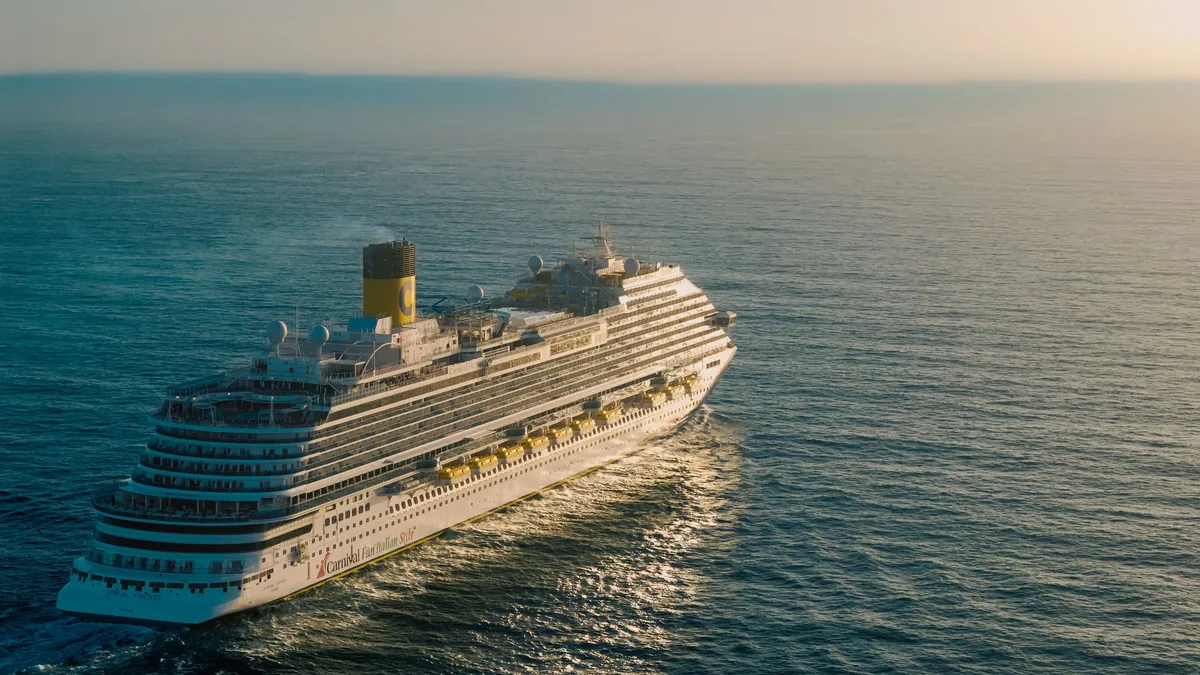
Seabourn 2029 Ocean Voyages Add New Maiden Calls
Seabourn has unveiled its 2029 Ocean Voyages collection, featuring new itineraries to Egypt and the Gulf of Bothnia alongside enhanced Alaska and...
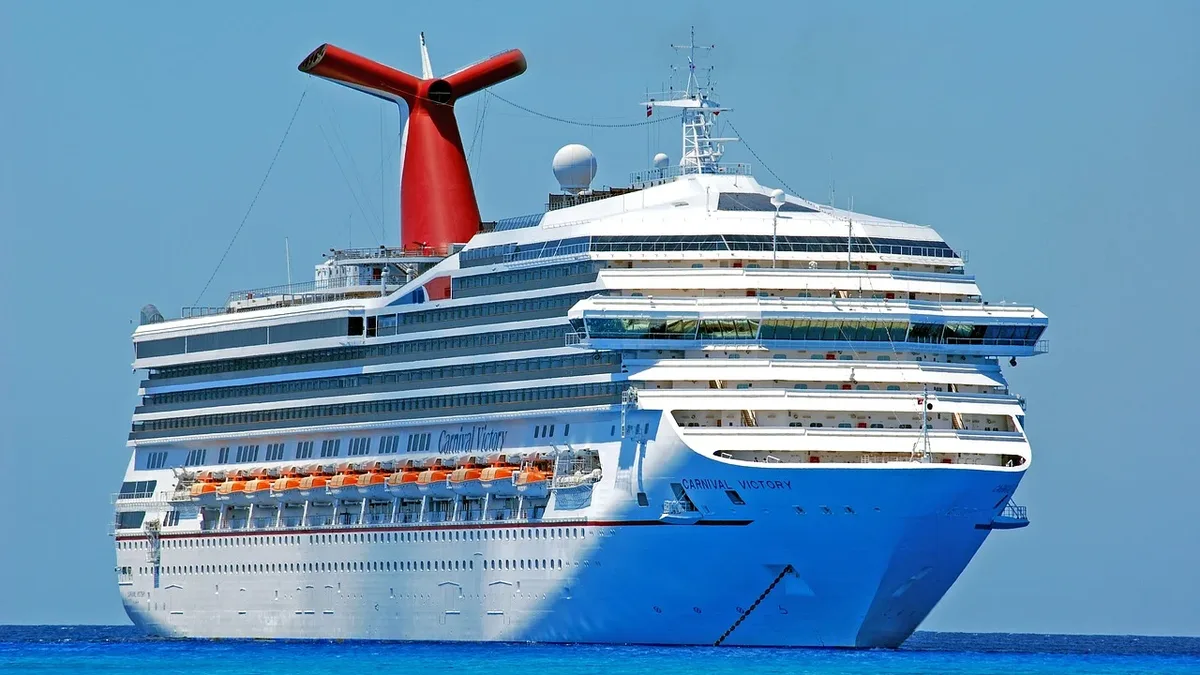
Holland America Line to deploy six ships for 2027 Alaska season
Holland America Line will deploy six ships across multiple Alaska itineraries in 2027.
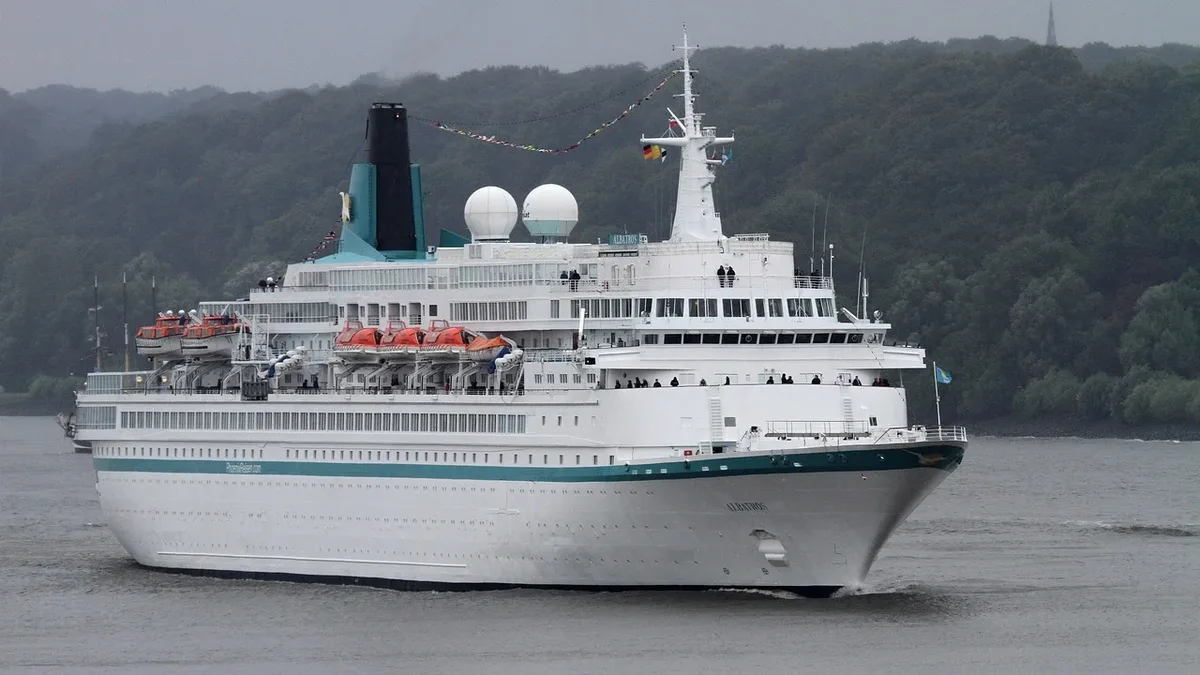
Carnival Unveils 2028-2029 West Coast Alaska, Hawaii, Mexico Sailings
Carnival Cruise Line has opened bookings for its 2028-2029 West Coast season, deploying the Carnival Adventure, Legend, and Spirit on sailings to...
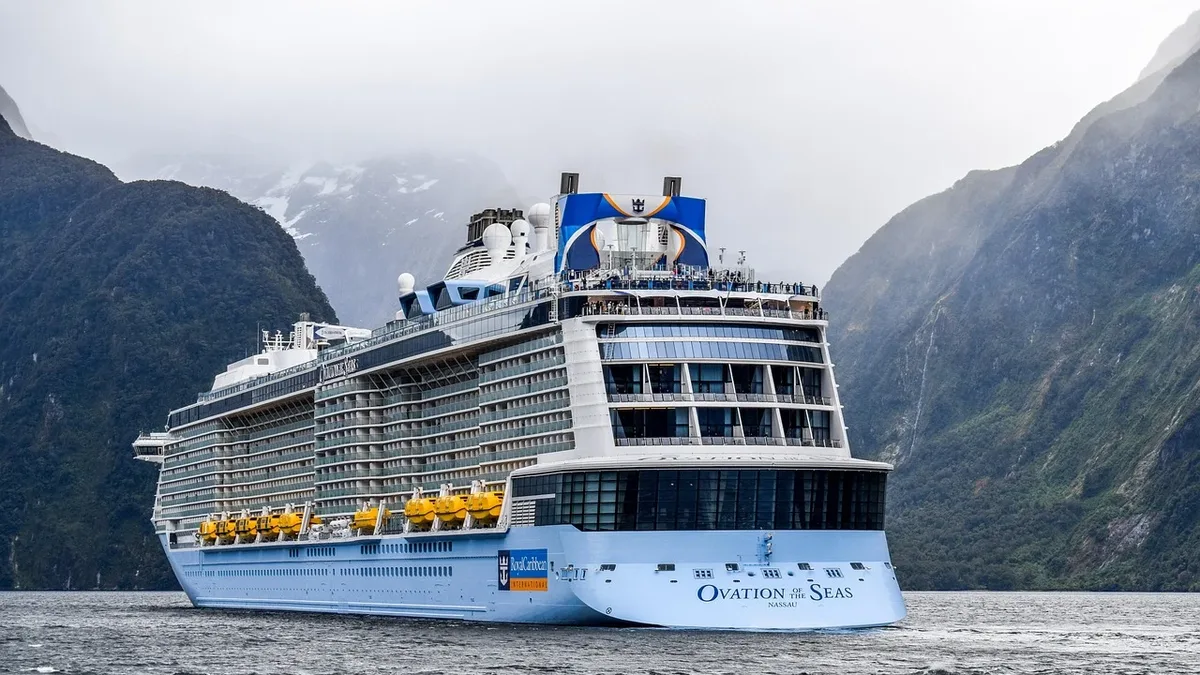
Royal Caribbean details 2028 Alaska cruise season with four ships
Royal Caribbean has detailed its 2028 Alaska season, deploying four ships from Seattle, Vancouver, and Seward.
Carnival Miracle Warns Guests of Busy Seattle Embarkation
Carnival Cruise Line has issued a strict arrival advisory for guests on Carnival Miracle's final Alaska sailing from Seattle on September 17, 2026.
Norwegian Joy's 2028 Alaska Itinerary Drops Skagway
Norwegian Cruise Line has altered Norwegian Joy's May 19, 2028, Alaska sailing, replacing Skagway and Sitka with Whittier and adjusting other port...