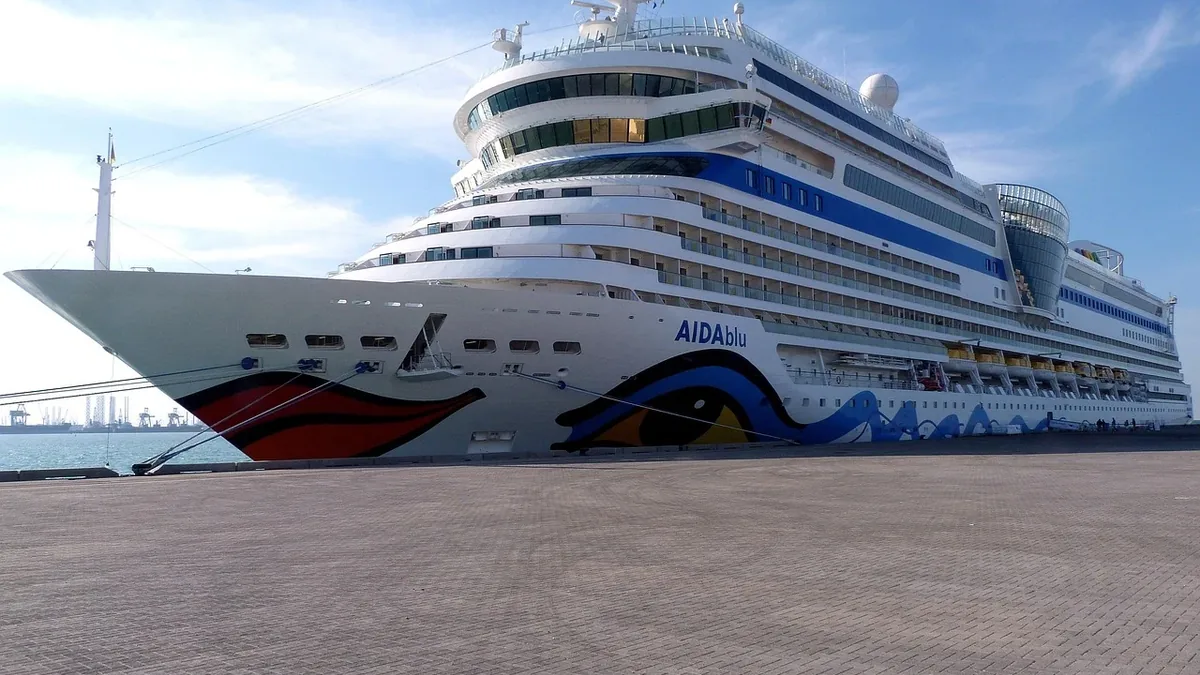
Aida And Tui Cruises
| Cruise line | AIDA Cruises and TUI Cruises |
|---|---|
| Parent company | Carnival Corporation & plc |
| Fleet size | Medium to large |
| Primary market | Germany |
| Primary language onboard | German |
| Onboard currency | Euro |
| Typical itinerary duration | 7 to 14 days |
| Typical destinations | Mediterranean, Northern Europe, Caribbean |
Origin and history
AIDA Cruises originates from Germany, with its founding dating back to the 1960s as a cargo and passenger line. The brand was revitalized in the late 1990s under new ownership, transforming into a modern cruise line focused on the German-speaking market. TUI Cruises is also a German cruise line, established as a joint venture between the TUI Group and the Royal Caribbean Group in the first decade of the 2000s. Both lines are now sister companies under the Carnival Corporation & plc umbrella, specifically within its Costa Group division, which manages several European brands. The operational merger and close cooperation between AIDA and TUI Cruises have been a strategic development within the Carnival group in recent years. Their histories reflect a strong focus on serving Central European passengers with tailored onboard experiences and itineraries.
What it is for
AIDA Cruises is designed for German-speaking passengers seeking a relaxed, resort-style vacation at sea with an emphasis on active leisure and casual dining. The line is known for its distinctive ship design featuring prominent hull artwork and a vibrant, social atmosphere with numerous bars and entertainment venues. TUI Cruises caters to a similar demographic but positions itself with a slightly more premium feel, often described as "premium-all-inclusive," with many drinks and services included in the fare. Both lines primarily operate itineraries in Europe, including the Baltic, Norwegian Fjords, Mediterranean, and around the Canary Islands. Their purpose is to provide a culturally familiar environment where German is the primary language for all announcements, menus, and entertainment. The product is fundamentally geared towards sun-and-sea cruising with port-intensive schedules that allow for exploration of coastal destinations.
Aida And Tui Cruises ships by size
AIDA's fleet is divided into several classes, with the largest being the AIDAcosma and AIDAnova, which are over 180,000 gross tons and can carry approximately 5,200 passengers. These are among the largest cruise ships in the world and are powered by liquefied natural gas (LNG). The mid-sized ships include the AIDAperla and AIDAprima class, at around 125,000 gross tons, carrying roughly 3,300 passengers. Smaller vessels in the AIDA fleet, such as the AIDAvita and AIDAaura classes, range from approximately 42,000 to 69,000 gross tons with passenger capacities between 1,200 and 2,000. TUI Cruises operates the Mein Schiff fleet, with the largest being Mein Schiff 1 through 4, each at approximately 99,000 gross tons and carrying around 2,900 passengers. The line also operates newer, slightly larger vessels like Mein Schiff 5 through 7, and the upcoming Mein Schiff 7 will continue the trend of modern, mid-sized ships with a focus on balcony cabins.
Best Aida And Tui Cruises ships
For families and those seeking the most amenities, the newest and largest LNG-powered ships like AIDAcosma and AIDAnova are often considered the best, featuring multiple pools, extensive water parks, and a wide variety of dining options. Passengers looking for a more premium and inclusive experience with a high percentage of balcony cabins frequently favor the Mein Schiff 6 and Mein Schiff 7 from TUI Cruises. For travelers preferring a more intimate ship size while still having modern facilities, AIDA's mid-sized ships such as AIDAprima offer a good balance of amenities and manageable passenger numbers. The Mein Schiff 2 is often highlighted for its elegant design, extensive wellness areas, and high-quality inclusive dining venues. Itinerary-focused cruisers might prefer smaller ships like AIDAaura, which can access less common ports in regions like the Norwegian fjords or the Red Sea.
Overview
AIDA and TUI Cruises provide cruise vacations primarily for the German, Austrian, and Swiss markets, with all onboard communication and services conducted in German. The cabins range from standard interior and oceanview rooms to spacious suites with premium amenities, with TUI Cruises ships notably having a very high percentage of balcony cabins. Itineraries are overwhelmingly concentrated in European waters, including the Baltic Sea, North Sea, Atlantic Isles, Mediterranean, and around the Canary Islands, with some longer voyages to destinations like the Caribbean or UAE. Dining on AIDA ships follows a more casual, buffet-heavy concept with numerous specialty restaurants available for an extra charge, while TUI Cruises offers a more traditionally inclusive dining experience in main restaurants. Entertainment is tailored to German tastes, featuring popular music acts, comedy shows, and theatrical productions performed in German. Pricing is typically structured per person, with TUI Cruises fares generally higher due to their more inclusive nature, while AIDA's base fare covers cabin and main dining with significant extras paid onboard.
What to know
The onboard currency for both lines is the Euro, and all additional purchases will be charged to your cabin account in this currency. Smoking policies are more lenient than on many North American lines, with designated indoor smoking areas still present on some ships, particularly within casino venues. Tipping is not mandatory but is customary, and a fixed daily service charge is often automatically added to your onboard account, which can usually be adjusted at the guest services desk. The dress code is consistently casual, with even formal nights being optional and typically interpreted as "elegant casual" without the requirement for tuxedos or gowns. Booking well in advance is often necessary for school holiday periods, as these cruises are extremely popular with families and can sell out quickly. It is important to carefully review what is included in your fare, as AIDA operates on a more pay-as-you-go model for drinks and specialty dining, whereas TUI Cruises includes a wider range of beverages and restaurant meals.
Common questions
A common question is whether these lines are suitable for non-German speakers; while possible, the experience is designed for German speakers, and little to no information or entertainment will be translated into English. Many passengers ask about the food, specifically if it is traditional German cuisine; while there are always German staples available, the offerings are international with a strong European influence and plenty of variety. Travelers frequently inquire about drink packages on AIDA, which are available for purchase and can represent a significant additional cost if you plan to consume sodas, coffee, and alcoholic beverages regularly. Another common question concerns the suitability for children, as both lines have extensive kids' clubs and teen areas, but the programming and all interactions are exclusively in German. People often ask about the difference between the two brands, with the general consensus being that AIDA is more vibrant and activity-focused, while TUI Cruises offers a calmer, more service-oriented and inclusive atmosphere. Potential cruisers also ask about itinerary variety, and while both lines offer standard European routes, TUI Cruises occasionally features longer and more exotic itineraries, such as transatlantic crossings or voyages to Asia.
Pros and cons
A significant pro is the culturally comfortable environment for German-speaking passengers, with familiar food, language, and entertainment that reduces the friction of travel. The ships are generally modern, technologically advanced, and feature innovative amenities like extensive wellness complexes and, on newer vessels, environmentally friendly LNG propulsion. A clear con, especially for AIDA, is the aggressive additional pricing model, where the base fare can feel sparse once onboard due to charges for many drinks, specialty dining, and even certain deck activities. Passengers who do not speak German may feel isolated or frustrated, as all announcements, shows, menus, and crew interactions are primarily in German, with limited English support. The vibrant, high-energy atmosphere on AIDA ships, with music and activities often held in central atrium areas, can be a pro for social travelers but a significant con for those seeking quiet and tranquility. A common mistake is underestimating the total cost of an AIDA cruise once all desired extras are added, leading to budget overruns, while some travelers regret choosing TUI Cruises if they do not fully utilize the inclusive drinks and dining, finding the higher upfront fare poor value.
Who it suits
These cruise lines are ideally suited for German-speaking individuals and families seeking a hassle-free vacation where they can communicate easily and enjoy a familiar cultural context. They are a strong match for active travelers who prioritize ship amenities like water slides, sports courts, and fitness centers over prolonged formal dining or enrichment lectures. The AIDA brand particularly suits budget-conscious cruisers who are comfortable with a pay-as-you-go approach and enjoy a lively, resort-like party atmosphere with lots of fellow passengers. TUI Cruises is better suited for those preferring a more relaxed, premium-all-inclusive experience where most costs are known upfront and the focus is on service, quality dining, and wellness. Both lines are excellent for first-time cruisers from Central Europe, as they provide a gentle introduction to cruising without language barriers or cultural surprises. They are less suited for travelers seeking immersive, destination-focused enrichment, non-German speakers, or those who prefer traditional, formal cruise traditions with set dining times and strict dress codes.
Latest Aida And Tui Cruises news
Latest reporting
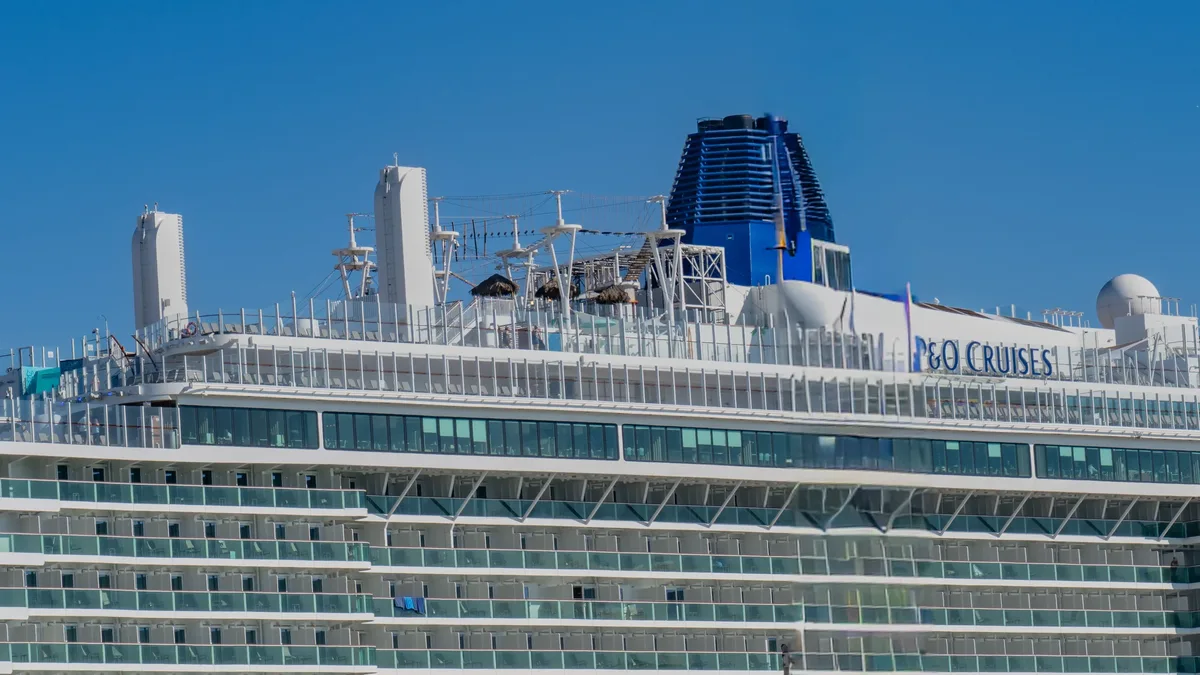
Princess Cruises Expands Sanctuary Collection to Five Ships
Princess Cruises will expand its exclusive Sanctuary Collection to five Royal Class ships in 2027, starting with Royal Princess in January.
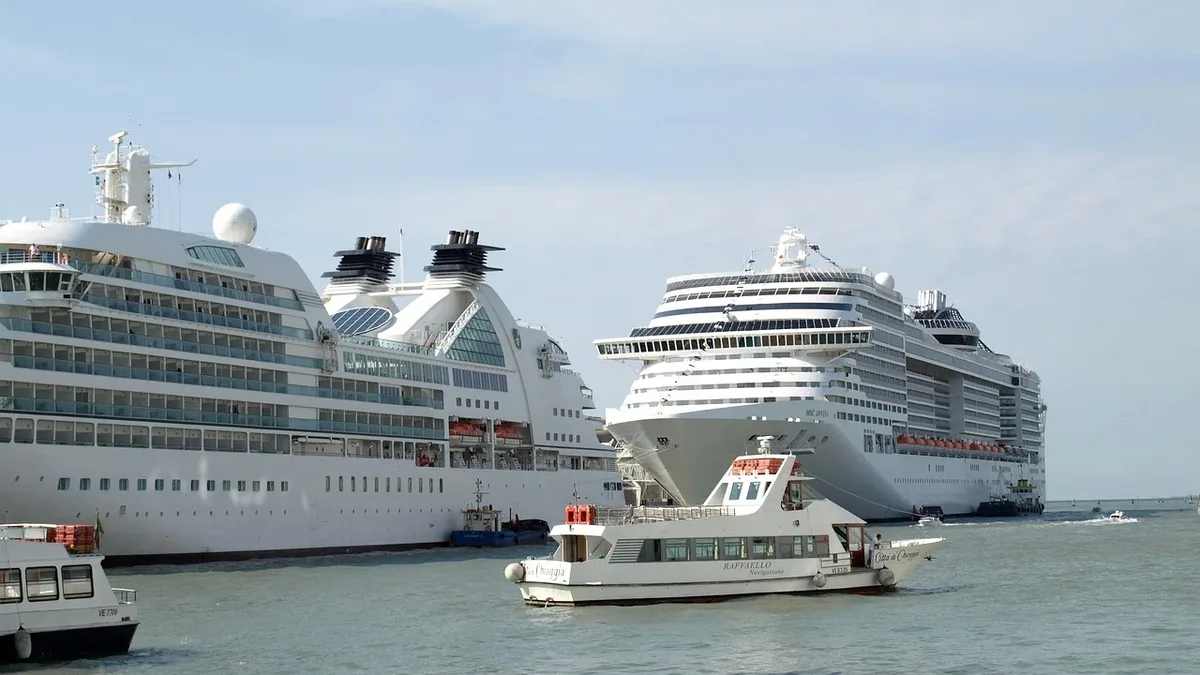
Storm Austen Forces Early Arrivals of Three Cruise Ships in Southampton
Three cruise ships are arriving in Southampton earlier than planned due to Storm Austen. P&O Cruises’ Arvia and MSC Cruises’ MSC Preziosa and MSC...
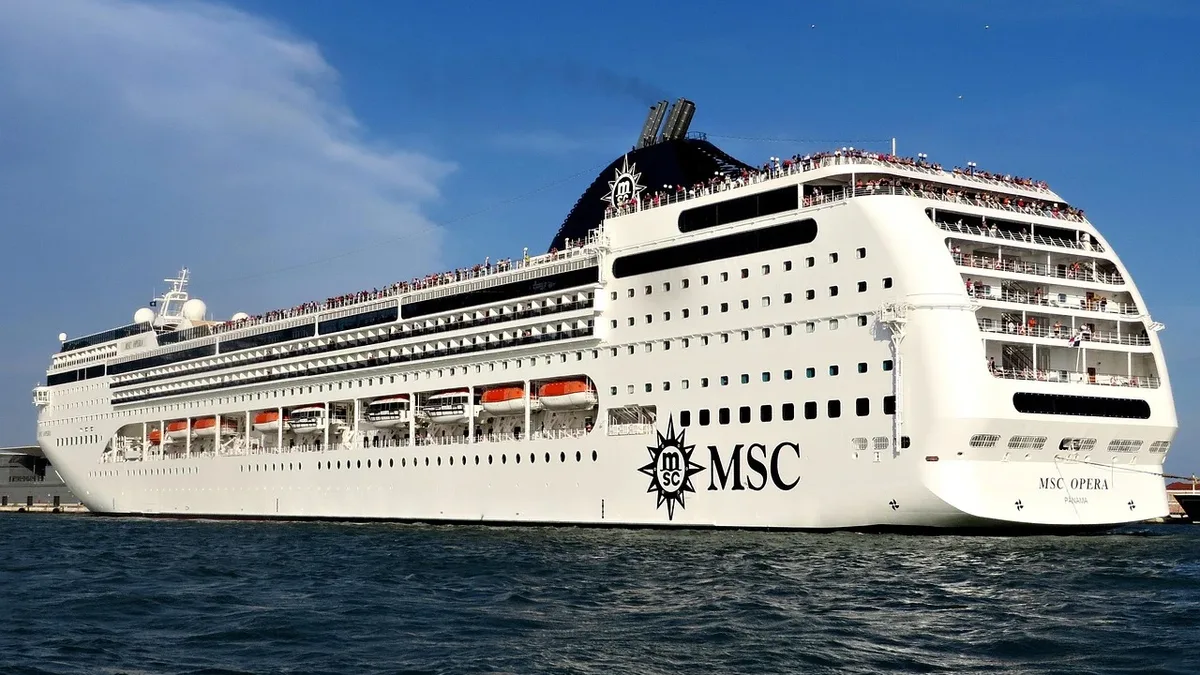
MSC Cruises Unveils Grand Hamptons Villa Family Suite
MSC Cruises has revealed the Grand Hamptons Villa, a two-story, 2,475-square-foot family suite for up to eight guests, debuting exclusively on the...
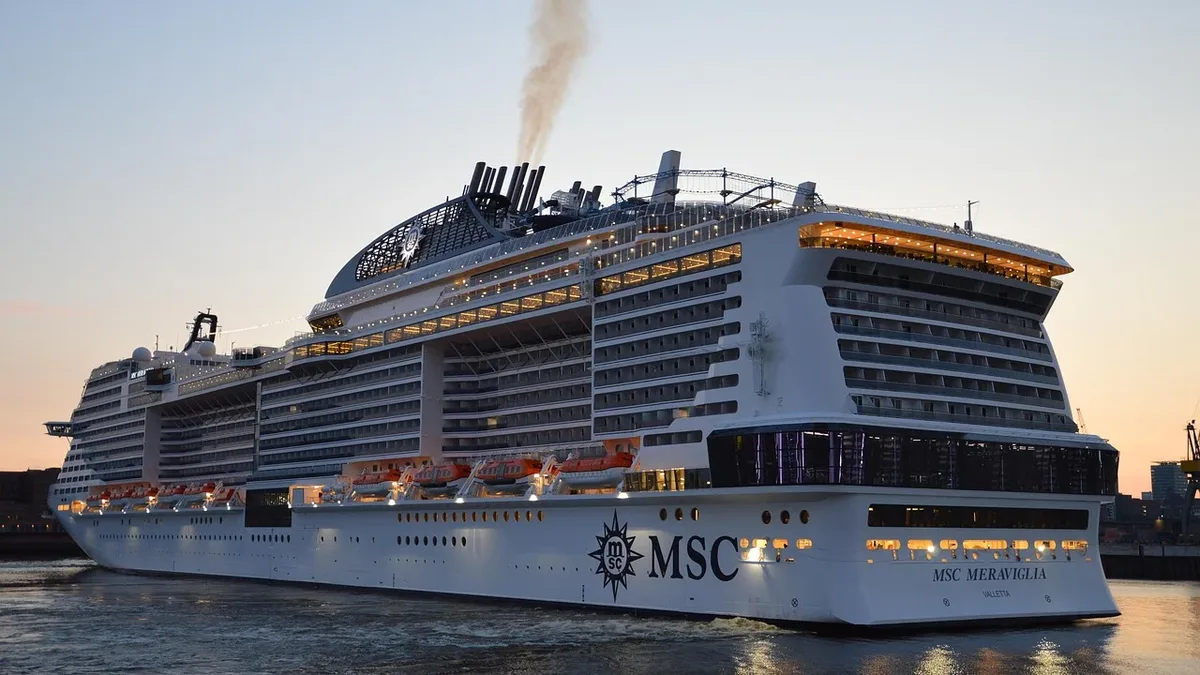
MSC Cruises Ends Status Match Applications in Spain, France, Italy
MSC Cruises has discontinued its status match application program in Spain, France, and Italy as of October 15, 2026.

Riviera Travel Guarantees Options for Itinerary Changes
Riviera Travel River Cruises has launched a Vacation Guarantee, offering travelers three clear choices-including a full refund-if their itinerary...

Costa Cruises Unveils Winter 2026-27 Mediterranean, Caribbean and Canary Islands Itineraries
Costa Cruises has announced six new themed itinerary concepts for its winter 2026-27 season, featuring three Mediterranean, two Caribbean, and one...