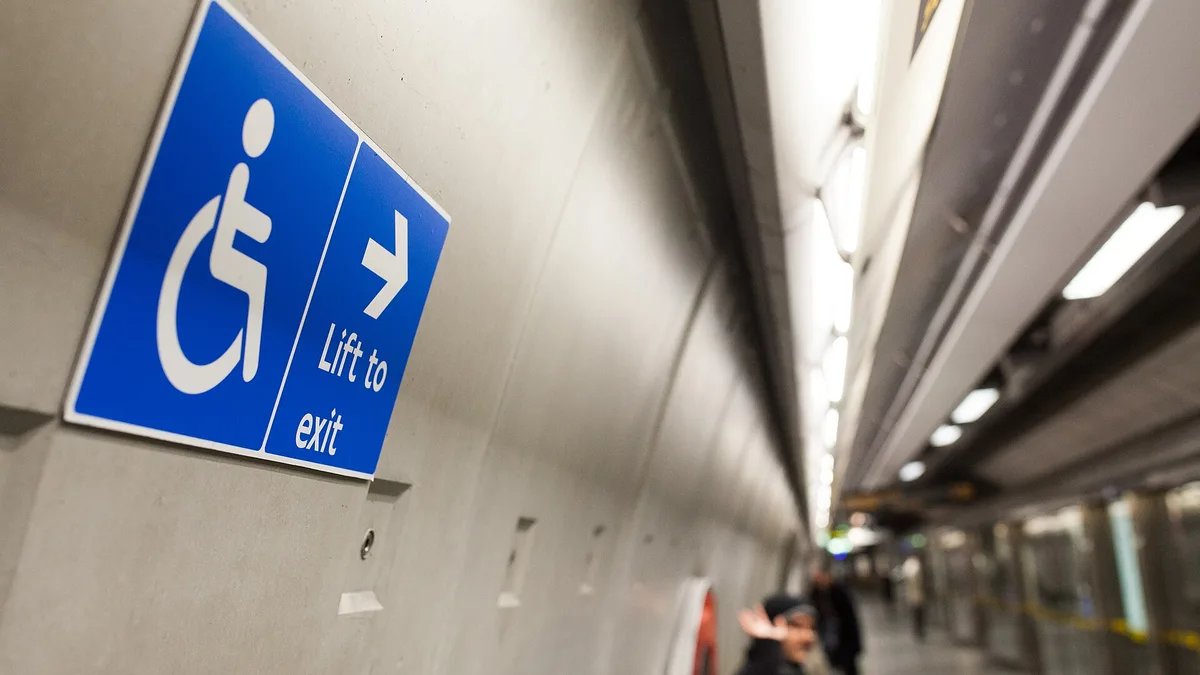
Accessibility Onboard And Accessible Cabins
| Ship class | Varies by cruise line and vessel |
|---|---|
| Cabin type | Accessible stateroom or suite |
| Door width | Minimum 32 inches (81 cm) |
| Bathroom layout | Roll-in shower or accessible bathtub, grab bars |
| Turning space | Minimum 5-foot (152 cm) diameter circle or T-turn |
| Emergency alert | Visual and tactile alarms provided |
| Itinerary accessibility | Varies by port of call |
Origin and history
The development of dedicated accessible cabins and onboard accessibility features in the commercial cruise industry began in earnest in North America during the late 20th century. This development was largely driven by the passage of landmark civil rights legislation, specifically the Americans with Disabilities Act (ADA) of 1990. The ADA's Title III, which addresses public accommodations, compelled new construction and major renovations in the travel sector, including ships, to incorporate accessibility standards. Initially, adaptations were often minimal and inconsistent across different cruise lines and older vessels. The evolution accelerated in the 2000s as new ship designs began integrating accessibility from the keel up, rather than as retrofits. This shift was further influenced by similar disability rights legislation in other regions, including the European Union, creating a more standardized global approach. Today, accessible cabins are a defined category in ship architecture, with detailed specifications for dimensions, fittings, and circulation space.
What it is for
Accessible cabins and onboard accessibility features are designed to provide safe and independent use for guests with mobility disabilities, including those who use wheelchairs, scooters, or other mobility aids. These cabins feature significantly wider doorways and interior turning spaces to accommodate a wheelchair's radius. Bathrooms are roll-in showers with fold-down seats, grab bars, and handheld showerheads, and toilets are at an appropriate height with support bars. The primary purpose is to minimize physical barriers that would otherwise prevent a guest from utilizing the cabin's core amenities. Beyond the cabin, the concept extends to accessible routes throughout public decks, including to dining venues, theaters, and open decks, often via graded ramps or lifts. It also encompasses auxiliary features like audible alerts and tactile signage for guests with sensory disabilities, ensuring comprehensive access to the ship's services and the itinerary's experiences.
Pros and cons
A significant pro is that properly designed accessible cabins enable genuine independence and comfort for guests with mobility limitations, allowing them to fully participate in a cruise vacation. Modern accessible cabins on newer ships often offer more spacious layouts and well-considered bathroom designs that reduce the risk of falls. A major con is the severely limited inventory, often resulting in these cabins selling out extremely quickly and sometimes at a premium price, especially for desirable itineraries. Guests frequently report that while a cabin is marketed as accessible, specific details like the height of the bed or the lip on the balcony threshold can still pose unexpected obstacles. A common mistake is assuming all accessible cabins are identical; there can be substantial variation in layout and features between ship classes, lines, and even within the same vessel. Those who regret choosing an accessible cabin without needing its features often find the bathroom configuration less convenient and miss having a bathtub, while those who need the features but book a standard cabin can find the vacation unusable.
Who it suits
This accommodation category suits guests who are permanent or occasional wheelchair users, or those who use walkers or scooters and cannot navigate standard cabin doorways or step-over bathroom thresholds. It is also essential for individuals with significant mobility restrictions who require the support of grab bars and a roll-in shower for safe bathing. The suitability extends to companions or family members traveling with a person with a disability, as the cabin's layout allows for easier assistance and movement. It is less suitable for travelers who merely desire extra space but do not have mobility impairments, as they may find the bathroom fixtures less to their preference and are occupying a scarce resource. Careful research is required for guests with very large power wheelchairs or scooters, as even accessible cabins have finite dimensions and door widths that may not accommodate all equipment. Ultimately, it best suits those who have confirmed the specific measurements and features of the cabin against their personal equipment and needs before booking.
Latest Accessibility Onboard And Accessible Cabins news
Latest reporting
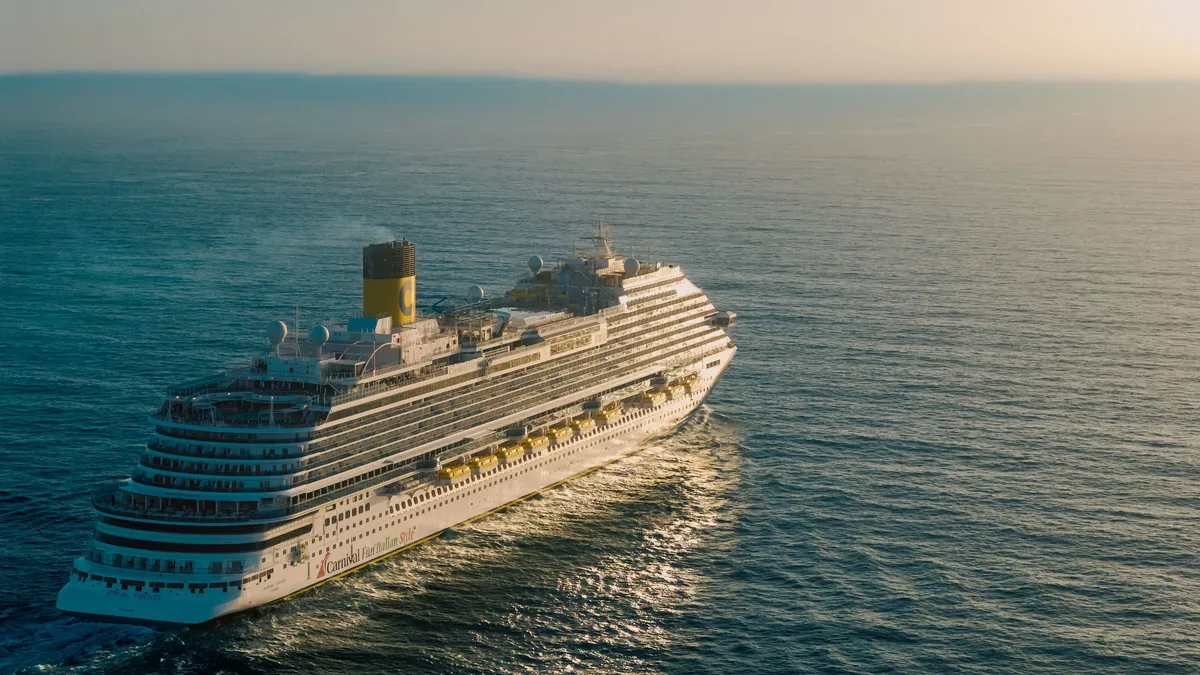
Harmony of the Seas Burst Pipe Floods Deck 10 Cabins
A burst pipe flooded passenger cabins and a corridor on Royal Caribbean's Harmony of the Seas on September 29, 2026.
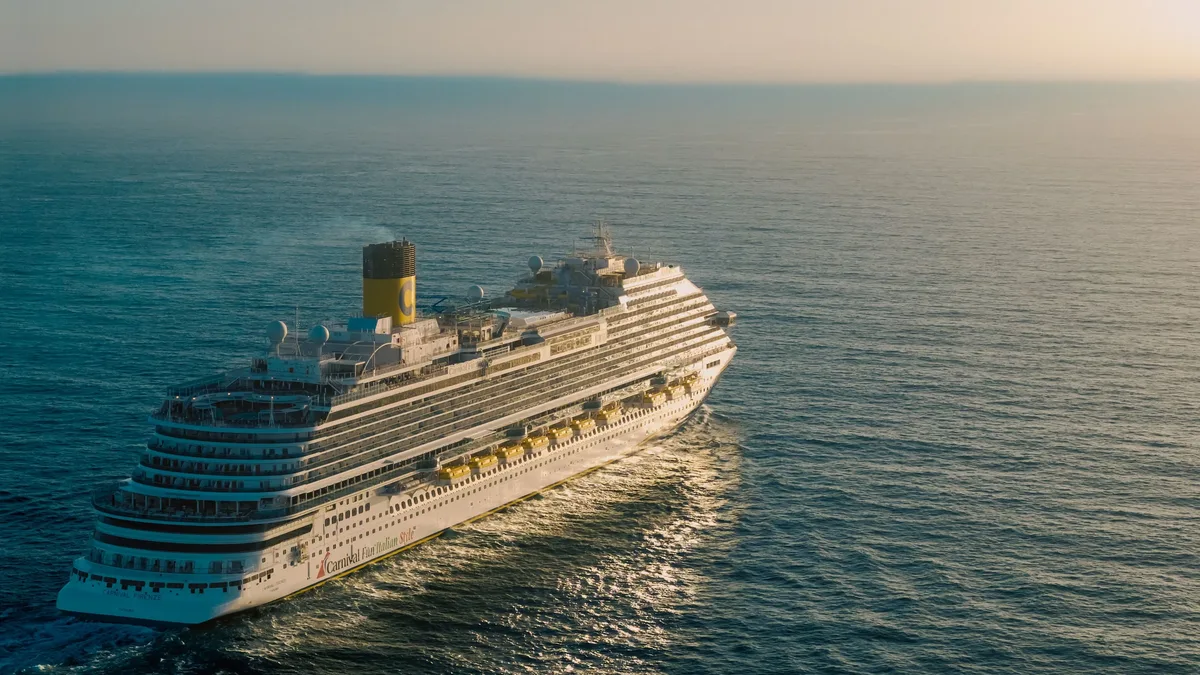
Ambassador Cruise Line Launches New TV Ad Campaign
Ambassador Cruise Line is launching its second television advertising campaign on September 16, focusing on onboard experiences and connections.
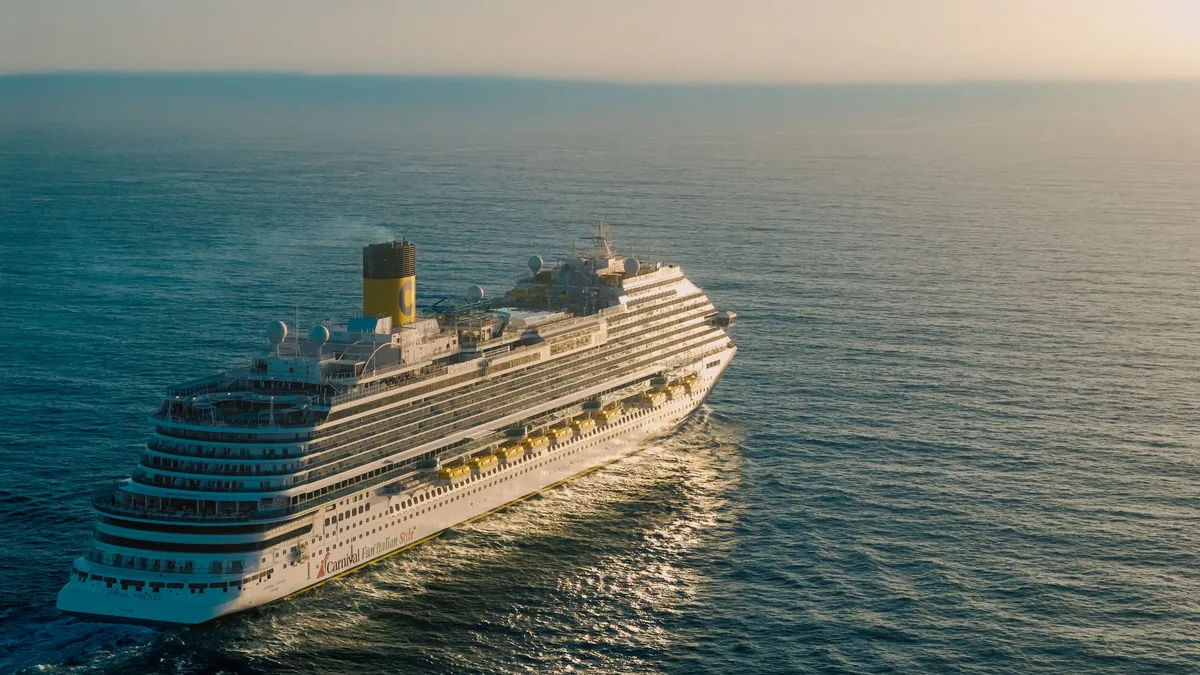
Cruise Lines Expand Casino Options for Passenger
Cruise lines are enhancing onboard casinos, converting venues like music halls and art galleries into gaming spaces.

Norwegian Sky's Final NCL Voyage Saw Venues Close Early
Norwegian Sky concluded its final voyage for Norwegian Cruise Line with several onboard venues closed or operating on a limited schedule as the ship
AIDA Launches SuperSeptember Booking Promotion
AIDA's SuperSeptember promotion offers onboard credit for guests and a booking competition for travel agencies in September 2026.
Serenade of the Seas Alaska Cruise Canceled
Royal Caribbean canceled a boarded Serenade of the Seas Alaska sailing due to a technical fault, offering refunds and future cruise credit while...