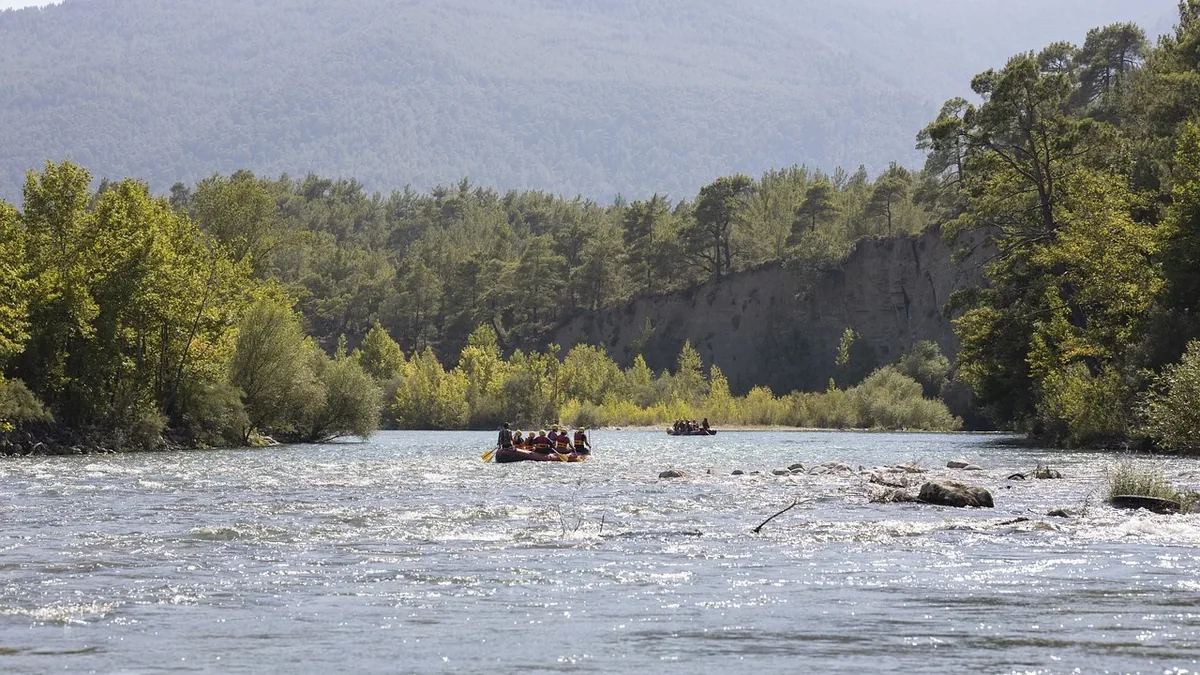
Amazon River From Manaus
| Country of origin | Brazil |
|---|---|
| First created | Late 20th century (as a commercial cruise itinerary) |
| Original use | Ecotourism and river exploration |
| Vessel type | River cruise ship |
| Primary embarkation port | Manaus |
| Typical duration | 4 to -10 days |
| Key destinations | Meeting of the Waters, Anavilhanas Archipelago, Parintins |
| Navigable season | Varies with the Amazonian flood cycle |
Origin and history
The Amazon River From Manaus itinerary originates from the city of Manaus, Brazil, located in the heart of the Amazon rainforest. Its development as a structured cruise route began in the late 20th century, coinciding with the growth of ecological tourism. Prior to this period, river travel in the region was primarily for local transport, exploration, and resource extraction. The modern cruise itinerary was established to provide controlled access for visitors to one of the planet's most significant and remote ecosystems. It leverages Manaus's historical role as a major port during the rubber boom era of the late 19th and early 20th centuries. The route's creation formalized travel along a specific segment of the world's largest river system, focusing on the Brazilian Amazon.
What it is for
This itinerary is designed for navigating a segment of the Amazon River and its tributaries, departing from and returning to the port of Manaus. Its primary function is to provide passengers with access to the rainforest ecosystem for observation and education from the vantage point of a river vessel. The route typically includes scheduled stops for guided excursions into the jungle, visits to local communities, and wildlife spotting from smaller boats. It serves to concentrate tourist activity along a defined corridor, aiming to minimize widespread environmental impact while maximizing educational exposure. The itinerary structures a multi-day journey that showcases the river's scale, the flooded forest environments, and the cultural context of the region. It is fundamentally a logistical framework for experiencing the Amazon's biodiversity and riverine geography without requiring independent expedition planning.
Pros and cons
A significant advantage of this itinerary is the deep immersion into a remote and biologically rich environment with the logistical support and relative safety of a cruise ship. The structured excursions with naturalist guides greatly enhance the chances of observing wildlife and understanding ecological relationships. The climate-controlled cabin provides a necessary respite from the region's consistent heat and humidity. A common drawback is the itinerary's inherent limitation; the vastness of the Amazon means sightings of iconic fauna like jaguars or pink river dolphins are never guaranteed and can be fleeting. Some passengers regret the choice if they expected a more active adventure, as time can be heavily scheduled with periods confined to the ship while transiting between points. The most frequent mistake is underestimating the intensity of the heat, humidity, and insects, despite the ship's comforts, leading to discomfort during onshore activities.
Who it suits
This itinerary best suits travelers with a primary interest in natural history and ecology who prefer their exploration to be organized and accommodation-based. It is appropriate for those who are comfortable with a slower pace of travel and understand that the experience is about ecosystem observation rather than constant wildlife spectacles. The typical passenger is often older, as the physical demands of excursions are usually moderate but require coping with a challenging climate. It appeals to individuals who value educational enrichment through guided tours and lectures over independent, strenuous adventure. The itinerary is less suitable for travelers seeking nightlife, shopping, or beach relaxation, or for those who become easily frustrated by rigid schedules and group activities. It is also a poor fit for anyone with severe mobility issues, as tendering to smaller boats and navigating uneven jungle paths are standard components.
Latest Amazon River From Manaus news
Latest reporting
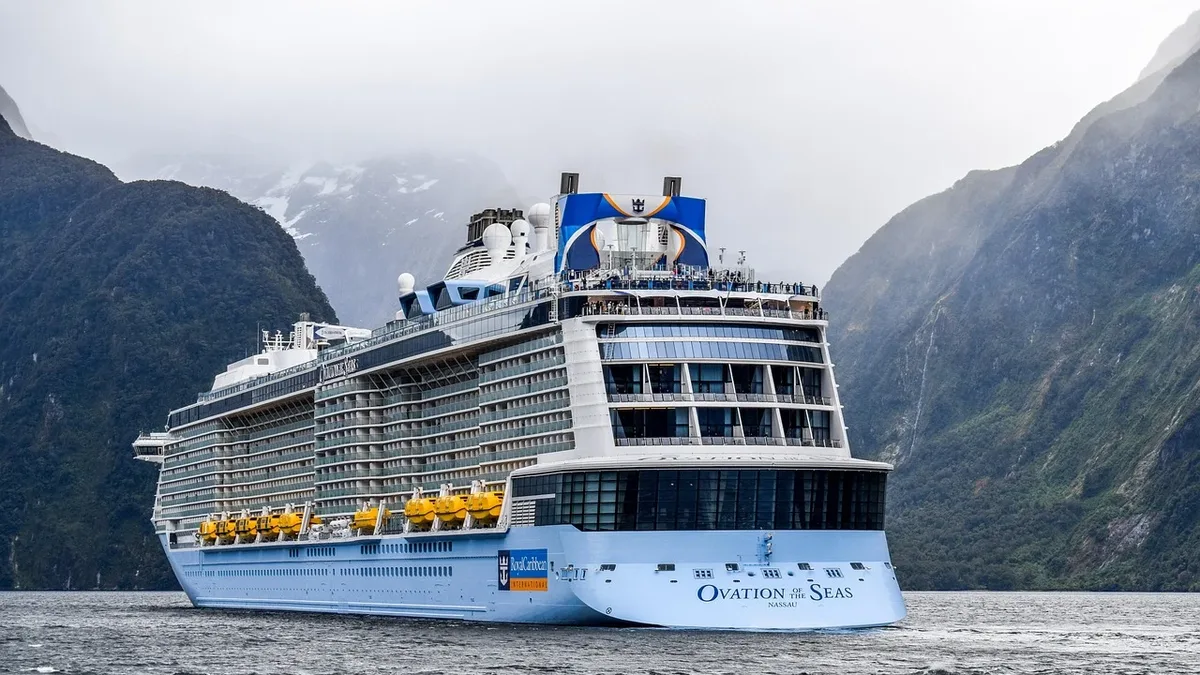
Royal Caribbean 2028 Alaska cruise
Royal Caribbean has detailed its 2028 Alaska season, deploying four ships from Seattle, Vancouver, and Seward.
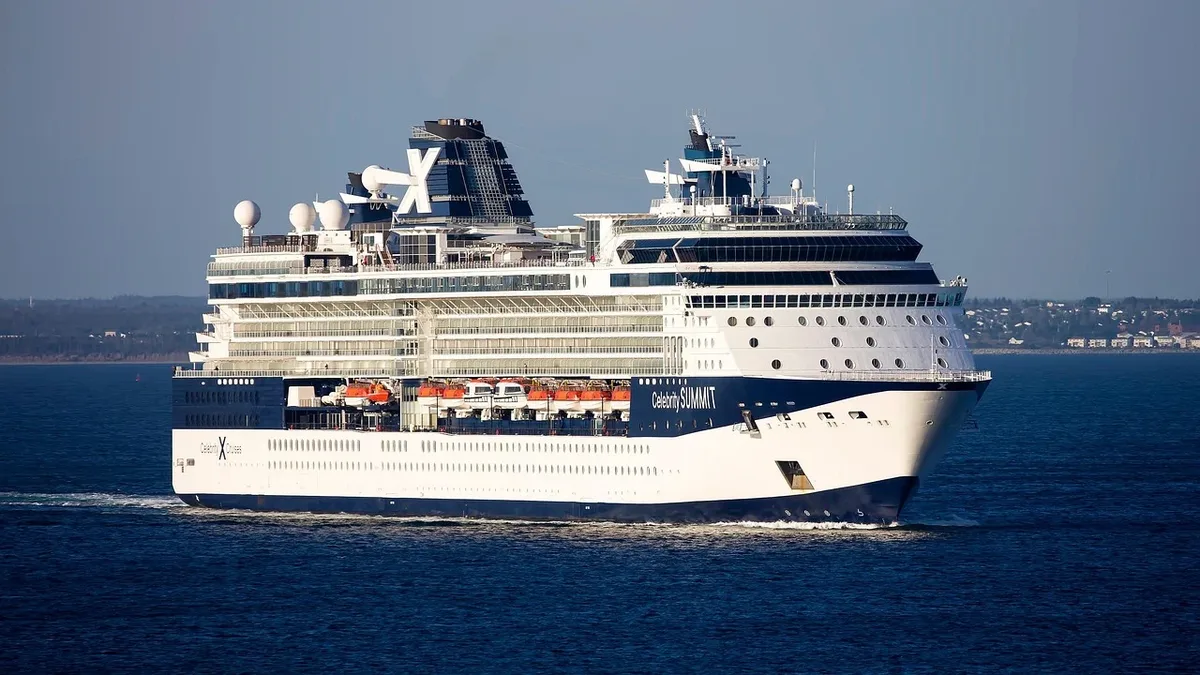
Liberty of the Seas to Use Two Southampton Terminals in 2026
Royal Caribbean's Liberty of the Seas will embark from one terminal and return to another for a September 2026 sailing from Southampton, due to a...
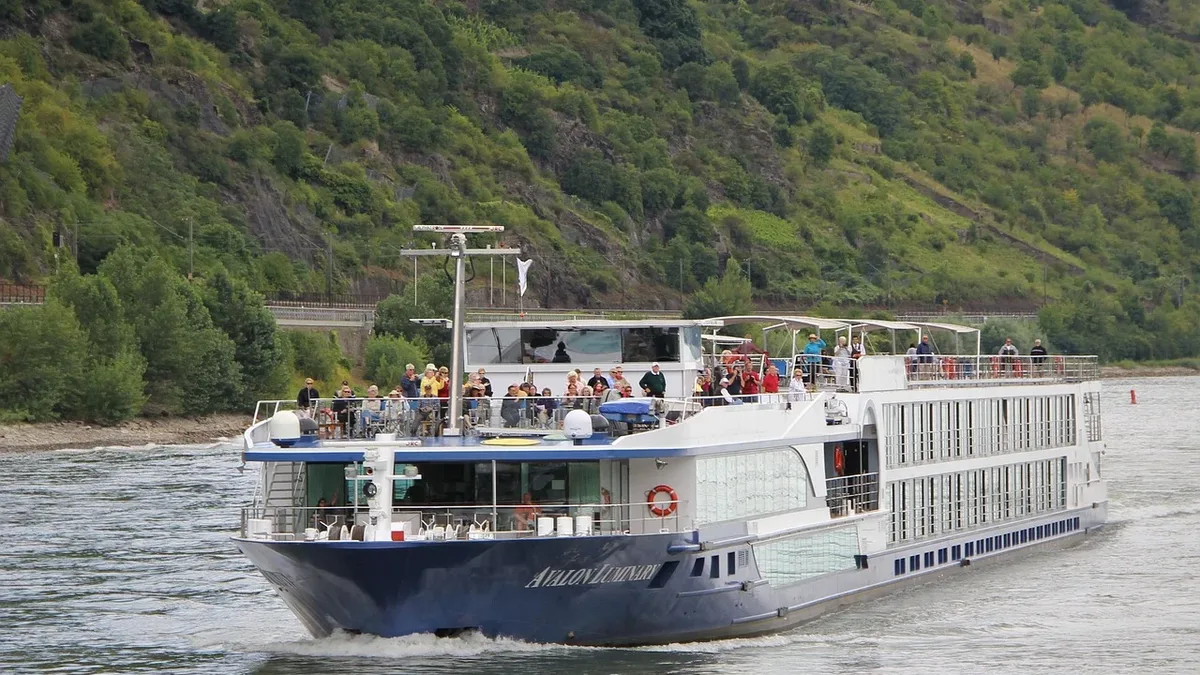
AmaWaterways Appoints Steve Spivak as Chief Commercial
AmaWaterways has named Steve Spivak as its new Chief Commercial Officer, effective September 30. He will oversee sales, reservations, and revenue...
Nicko Cruises Announces 2027 Danube Hiking Sailings
Nicko Cruises will offer an eight-day Danube sailing in 2027 focused on guided hikes. The voyages aboard the Bolero feature five included hikes on...
Carnival Panorama Passenger Jumps Overboard Near Mexico
A male passenger jumped overboard from Carnival Panorama on September 19, 2026, during a sailing from Puerto Vallarta to Long Beach.
Carnival Miracle Warns Guests of Busy Seattle Embarkation
Carnival Cruise Line has issued a strict arrival advisory for guests on Carnival Miracle's final Alaska sailing from Seattle on September 17, 2026...