
Buenos Aires
| Country of origin | Argentina |
|---|---|
| First created | 1880s (modern port infrastructure) |
| Original use | Commercial maritime trade and passenger transport |
| Location | Río de la Plata, Buenos Aires Province |
| Operated by | Administración General de Puertos (AGP) |
| Primary cargo types | Containers, grains, general cargo, refrigerated goods |
| Major terminals | Puerto Nuevo, Dock Sud, Cruise Terminal Quinquela Martín |
| Annual container capacity | Approximately 2 million TEUs (Twenty-foot Equivalent Units) |
Origin and history
Buenos Aires is the capital city and primary port of Argentina, located on the southwestern shore of the Río de la Plata. The site was first established as a permanent settlement by Spanish adelantado Pedro de Mendoza in the 1530s, though this initial settlement was abandoned. A lasting city was refounded by Juan de Garay in 1580, securing Spanish control over the region. Its deep natural harbor, one of the few on the river's muddy shores, was fundamental to its early survival and growth. Throughout the colonial period, the port served as a key node in the Spanish Empire's trade system, though it was legally restricted to commerce only through Lima. The port's modern significance exploded in the late 19th century following Argentine independence, when it became the primary export hub for the nation's vast agricultural wealth, particularly beef and grain.
What it is for
The Port of Buenos Aires functions as the principal maritime gateway for Argentina, handling the majority of the country's containerized cargo, bulk agricultural exports, and imported goods. It serves as a critical logistical and economic engine for the nation, connecting its productive interior to global markets. For cruise itineraries, it is a major homeport and key destination for voyages in the South Atlantic, often marking the start or end of a journey to Patagonia, the Falkland Islands, or Antarctica. The port's passenger terminals, notably Terminal de Cruceros Quinquela Martín, process thousands of travelers embarking and disembarking from extended voyages. Its facilities also accommodate ferry services across the Río de la Plata to Colonia and Montevideo in Uruguay. The port's urban location provides direct access to the city's extensive cultural attractions, business districts, and transportation networks.
Pros and cons
A primary advantage of using Buenos Aires as a cruise homeport is its status as a major international air hub with numerous flight connections, simplifying traveler logistics for long-distance voyages. The port's immediate proximity to the vibrant neighborhoods of La Boca and San Telmo offers passengers a rich, immersive cultural experience from the moment they disembark. A significant drawback is the port's location on the silt-heavy Río de la Plata, which can necessitate lengthy transit times of several hours to reach open ocean, reducing time available for other ports on an itinerary. The urban industrial nature of the port area can mean that the immediate views from the ship are of cranes and warehouses rather than scenic vistas. Passengers on tight schedules may regret not allocating extra days pre- or post-cruise, as the city's sheer size and wealth of attractions cannot be adequately explored in a single port day. A common mistake is underestimating the distances and traffic within the sprawling city when planning independent excursions on a port day, risking a late return to the ship.
Who it suits
This port particularly suits travelers seeking a deep cultural immersion in South America, as it provides direct access to a metropolis renowned for its European-style architecture, tango halls, and world-class dining. It is ideal for passengers embarking on extended expedition or luxury cruises heading to southern polar regions, as it offers a major city for last-minute preparations and jet lag recovery. The port appeals to history and architecture enthusiasts, with key sites like the Teatro Colón and Recoleta Cemetery easily reachable from the cruise terminals. It is less suited for travelers seeking a tranquil, scenic port arrival, as the environment is decidedly urban and bustling. The port works well for passengers who prioritize convenience and are using the city as an efficient embarkation point for a longer journey rather than as the sole destination. It is a strong match for food-focused travelers eager to experience Argentine steakhouse parrillas and local Malbec wines directly from the source.
Latest Buenos Aires news
Latest reporting
TIP Travel Confirms 2027 Summer Cruise and Flight Packages
TIP Travel has presented its confirmed cruise and flight packages for the 2027 summer season, featuring Costa Cruises sailings from Buenos Aires and...
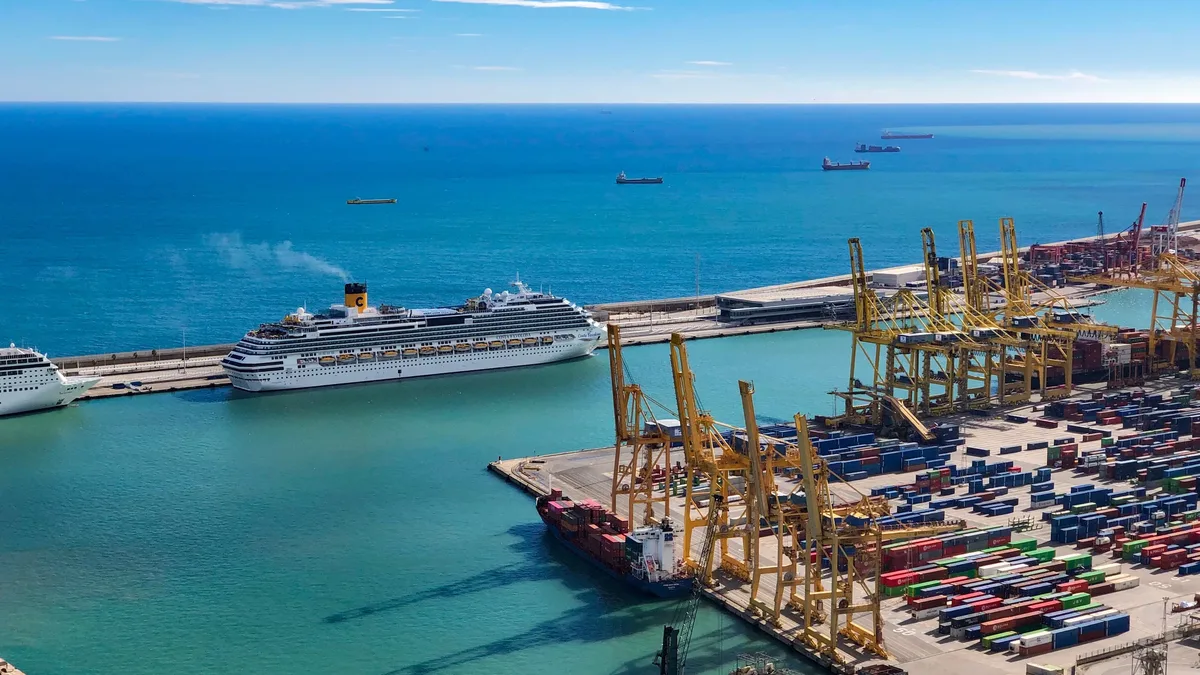
Buenos Aires Cruise Port
Buenos Aires cruise port prepares for the 2026-27 season with improvements and discounts