Cartagena
| Country of origin | Colombia |
|---|---|
| First created | 16th century (founded 1533) |
| Original use | Colonial trade and naval defense |
| Port type | Deep-water seaport and major cruise port |
| Container terminals | Multiple |
| Primary exports | Coal, coffee, petroleum products, containers |
| Cruise passenger capacity | High (multiple berths) |
| Geographic position | Caribbean coast, Bay of Cartagena |
Origin and history
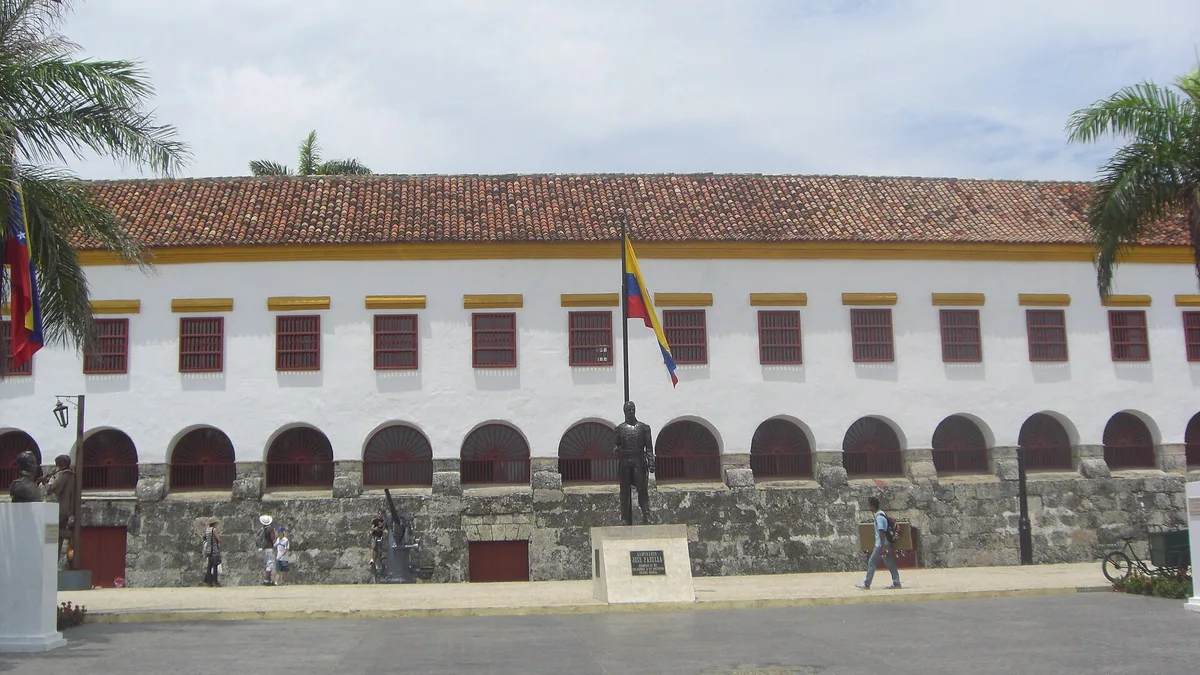
Cartagena is a major port city on the northern coast of Colombia in South America. Its origins date to the early 16th century, founded by Spanish conquistadors in 1533. The site was chosen for its deep, sheltered bay, which provided a natural harbor for Spanish galleons. The city quickly became the principal port for the export of Peruvian silver and other plundered wealth to Spain. Its immense strategic and economic importance led to the construction of extensive fortifications, including the famous San Felipe de Barajas Castle, throughout the 17th and 18th centuries. These formidable walls and forts were built to defend against persistent attacks by pirates and rival European powers, shaping the city's iconic colonial architecture.
What it is for
Cartagena serves as a primary maritime gateway for commerce and tourism in Colombia. Its modern container terminals handle a significant portion of the country's international imports and exports, including petroleum, coal, and agricultural products. For the cruise industry, it functions as a key port of call on Caribbean itineraries, receiving hundreds of ship calls annually. The port provides facilities for passengers to disembark and explore the UNESCO World Heritage-listed walled city, known as the Ciudad Amurallada. Shore excursions typically focus on the city's well-preserved colonial history, vibrant culture, and nearby natural attractions like the Rosario Islands. The port's infrastructure also supports regional ferry services and is a base for maritime operations in the southern Caribbean.
Pros and cons
A primary advantage of Cartagena as a cruise port is the immediate access to a dense concentration of historic landmarks within walking distance of the cruise terminals. The compact, walled old city offers an immersive cultural experience without requiring lengthy transfers. Conversely, the climate is consistently hot and humid year-round, which can be overwhelming for some visitors during extended walking tours. A significant drawback is the intense and persistent pressure from street vendors and informal guides within the tourist zones, which many passengers find excessively aggressive and detracting from the experience. Passengers who regret choosing this port are often those seeking pristine beaches or relaxed resort amenities, as the authentic urban environment is bustling and can feel crowded. A common mistake is failing to arrange a guided tour or clear plan, leading to a superficial experience dominated by the commercialized areas immediately outside the port gates.
Who it suits
This port suits history enthusiasts and cultural travelers interested in Spanish colonial architecture, fortifications, and urban history. It is ideal for passengers who prefer exploring a destination on foot, as the core attractions are pedestrian-friendly and visually rich at every turn. Photographers and travelers seeking vibrant street scenes, colorful buildings, and lively plazas will find ample material throughout the old city. It is less suited for those whose primary vacation goal is tranquil beach time, as the city beaches are often crowded and the superior island beaches require a separate boat excursion. The port also appeals to passengers interested in local cuisine and shopping for Colombian crafts, such as emeralds, leather goods, and coffee. Independent travelers comfortable with navigating a bustling, non-English-dominant environment can successfully explore beyond the prescribed cruise line tours.