Cozumel
| Country of origin | Mexico |
|---|---|
| First documented | 16th century |
| Original use | Maya trading port and sanctuary |
| Location | Eastern coast of the Yucatán Peninsula, Quintana Roo |
| Cruise port terminals | Three primary terminals |
| Primary cruise lines | Major global cruise lines |
| Primary attractions | Coral reefs, scuba diving, snorkeling, Mayan ruins |
| Transport from port | Taxis, rental vehicles, organized tours |
Origin and history
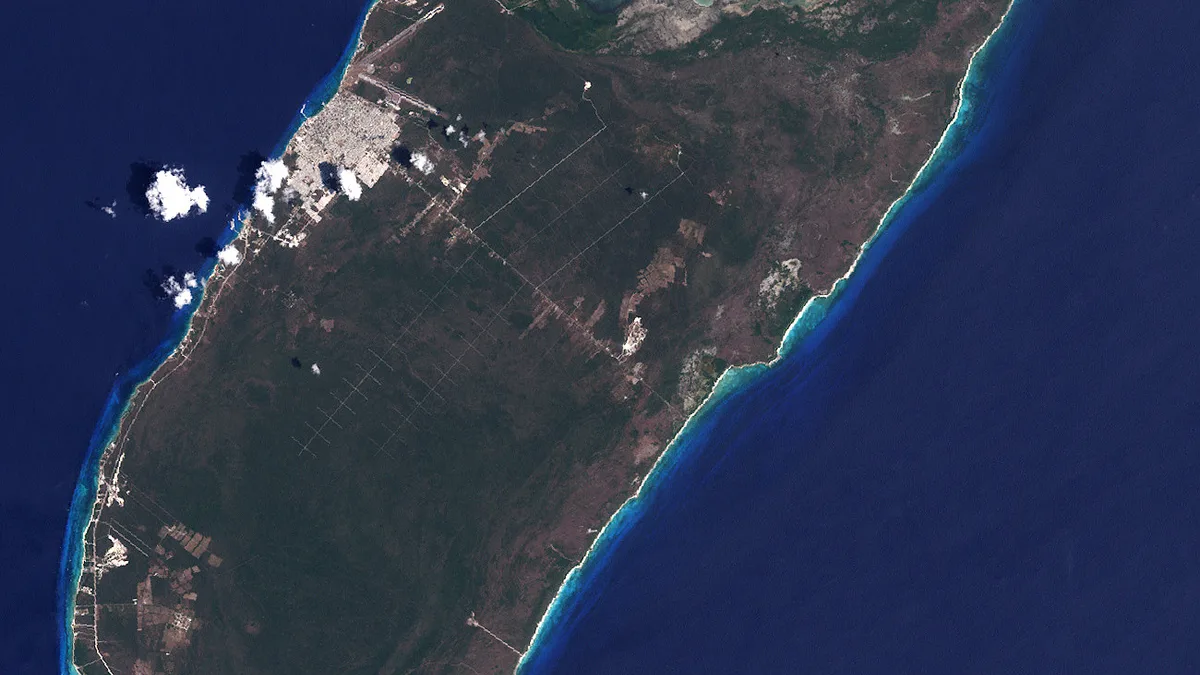
Cozumel is an island located in the Caribbean Sea, off the eastern coast of Mexico's Yucatán Peninsula, and is part of the state of Quintana Roo. The island was known to the ancient Maya civilization, who established settlements and built sanctuaries there, notably the site of San Gervasio, which was a place of pilgrimage for the worship of the goddess Ixchel. Following the arrival of Spanish explorers in the early 16th century, the island's indigenous population declined dramatically due to disease and conflict. For centuries afterward, Cozumel remained a sparsely populated outpost, with its economy based on fishing and occasional piracy. Its modern development as a significant port and tourist destination began in the mid-20th century with the improvement of its infrastructure and the promotion of its marine resources. The construction of modern cruise ship piers in the latter decades of the 20th century solidified its role as a primary port of call for Western Caribbean itineraries.
What it is for
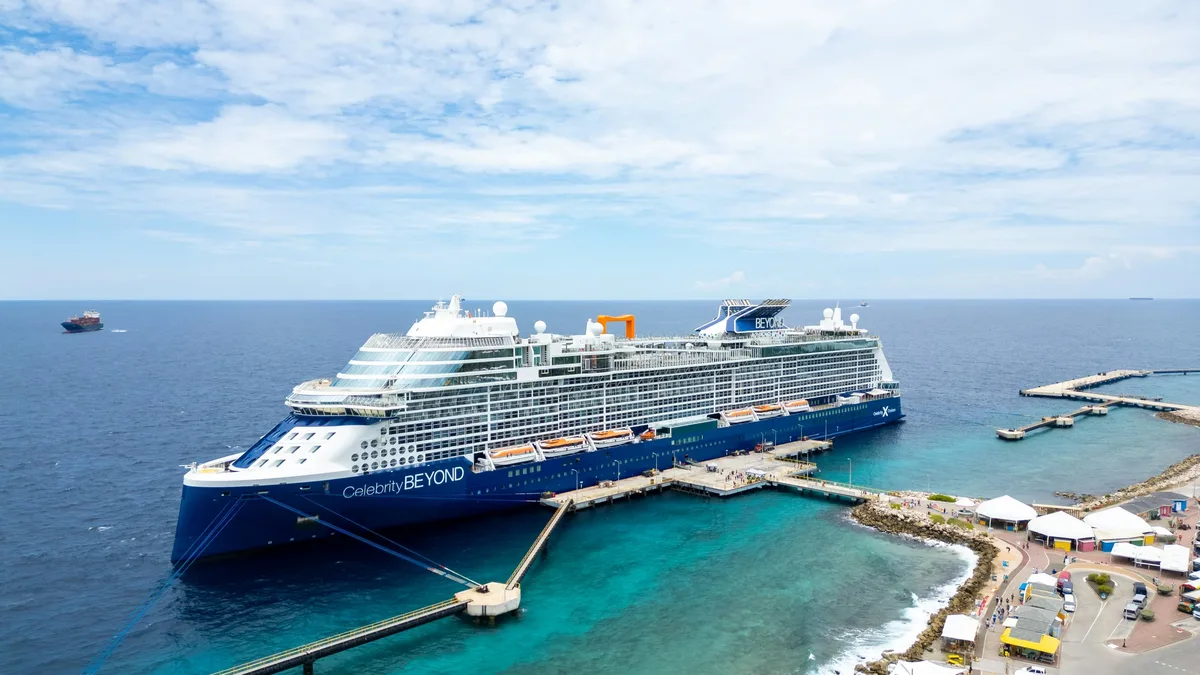
Cozumel functions primarily as a major cruise port and resort destination, serving as a gateway for visitors to experience the region's marine and cultural attractions. The island's port facilities, notably the Puerta Maya, International, and Langosta piers, are designed to accommodate multiple large cruise ships simultaneously, disembarking thousands of passengers daily. Its core purpose for cruise itineraries is to provide access to the Mesoamerican Barrier Reef System, the second-largest coral reef system in the world, which draws visitors for scuba diving and snorkeling excursions. The port also serves as a transit point for ferry connections to the mainland, allowing passengers to visit the ancient Mayan ruins of Tulum or the resort developments of Playa del Carmen. On the island itself, the port area facilitates a concentrated tourism economy centered on shopping, dining, and beach clubs located within a short distance of the docks. Furthermore, it supports a range of organized tours, from jeep explorations of the island's interior to submarine tours and dolphin encounter programs.
Pros and cons
A significant pro of Cozumel as a port is the exceptional clarity and accessibility of its coastal waters, which offer some of the most reliable and visually stunning reef diving in the Western Caribbean. The port infrastructure is highly efficient, with piers that allow direct disembarkation without the need for tenders, and a compact, walkable shopping and dining zone immediately adjacent to the ships. A notable con is the port's developed areas can feel overwhelmingly commercial and generic, with persistent sales pressure from numerous jewelry stores and souvenir shops that can detract from a sense of authentic local culture. Passengers who regret choosing Cozumel are often those who dislike crowded, structured tourist environments or who fail to book an excursion, as independent exploration beyond the port gates can be logistically challenging without prior planning. The common mistake is underestimating the travel time and cost involved in reaching mainland attractions, which can consume a large portion of a port day and may not leave sufficient time to appreciate the island itself. Another frequent drawback is the potential for overcrowding when several large ships are in port simultaneously, leading to congested beaches, reefs, and restaurants.
Who it suits
Cozumel suits cruise passengers whose primary interest is in marine activities, particularly first-time and experienced scuba divers and snorkelers seeking predictable conditions and abundant marine life. It is well-suited for shoppers looking for duty-free goods, especially jewelry and luxury items, and for those who prefer the convenience of having amenities and organized tours available within immediate walking distance of the ship. The port appeals to families due to the prevalence of controlled, resort-style beach clubs with amenities like pools, water sports rentals, and casual dining options that simplify a day ashore. It also suits passengers with mobility challenges, as the pier infrastructure and flat, paved port area are more accessible than many tender ports or historic districts with uneven terrain. Conversely, it is less suited for travelers seeking a deep cultural immersion or quiet, secluded beaches, as these require considerable independent travel and research beyond the standard port offerings. Ultimately, Cozumel is a reliable and predictable port choice for those who prioritize ease, water-based recreation, and structured tourism services over adventurous or solitary exploration.