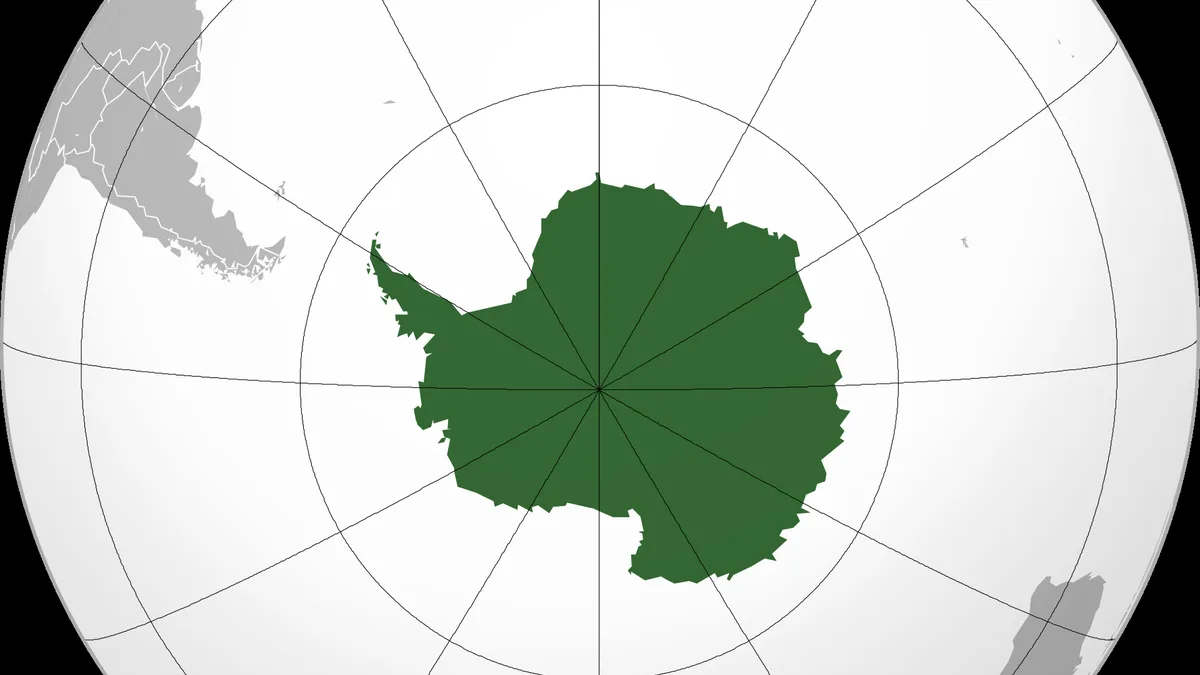
Antarctica
| Ship name | MS Antarctica |
|---|---|
| Operator | Antarctica Cruises |
| Ship registry | Bahamas |
| Vessel type | Expedition cruise ship |
| Passenger capacity | Approximately 200 |
| Primary cruising region | Antarctica |
| Itinerary focus | Antarctic Peninsula |
| Typical cabin types | Balcony, Oceanview, Suite |
Origin and history
Antarctica as a cruise destination originates from the continent of Antarctica itself, with expedition voyages for civilians beginning in the late 1960s. The modern era of Antarctic cruising was pioneered by Lars-Eric Lindblad, a Swedish-American explorer, who launched the first purpose-built expedition cruise ship, the *Lindblad Explorer*, in 1969. This vessel was designed specifically for navigating polar waters and landing passengers on the continent in an environmentally conscious manner. The concept evolved from earlier, more austere exploration voyages into a structured tourism industry by the late 20th century. The regulatory framework for these activities is governed by the Antarctic Treaty System, with the International Association of Antarctica Tour Operators (IAATO) founded in 1991 to promote safe and environmentally responsible travel. Today's cruise operations are direct descendants of these early expeditions, adhering to strict protocols to protect the fragile ecosystem.
What it is for
An Antarctica cruise is designed for expedition-style travel to the Antarctic Peninsula and surrounding regions, focusing on environmental education and wildlife observation. The primary purpose is to provide passengers with immersive, off-ship experiences through guided Zodiac boat landings and coastal explorations. These itineraries are structured around witnessing landscapes and wildlife, such as penguin colonies, seals, whales, and historic research stations, rather than traditional cruise amenities. Onboard, the experience is supported by a team of expert naturalists, historians, and scientists who deliver comprehensive lecture series. The voyages also serve to foster a deeper understanding of polar science, climate change, and conservation challenges. The operational model prioritizes flexibility, allowing captains and expedition leaders to adjust daily plans based on weather, ice conditions, and wildlife sightings to optimize the experience.
Antarctica ships by size
Ships cruising to Antarctica are categorically defined by their passenger capacity due to strict regulations governing landings on the continent. The smallest vessels are expedition yachts and converted research ships, typically carrying under 50 passengers, which offer the most intimate and flexible itineraries. Mid-size expedition ships, carrying between 50 and 200 passengers, represent the most common category, balancing comfort with efficient landing operations where all guests can go ashore simultaneously. Larger expedition vessels, carrying 200 to 500 passengers, offer more onboard amenities but must rotate passenger landings via Zodiacs due to IAATO rules limiting shore parties to 100 people at a time. Traditional cruise ships, carrying over 500 passengers, are not permitted to make any landings in Antarctica and are limited to scenic cruising only. The physical size and ice class of the vessel, from Ice Class 1C to Polar Class 6, further determine its ability to navigate certain channels and reach specific sites.
Best Antarctica ships
The best ships for an Antarctica cruise are those that optimize the number of potential landings, provide robust educational programs, and are purpose-built for polar conditions. Vessels with a passenger capacity of 200 or fewer, particularly those certified to carry 100 or less, are highly regarded as they allow for single, simultaneous landings for all guests. Ships with a high ice class rating, such as PC5 or PC6, offer greater access to remote areas like the Weddell Sea or farther south along the Peninsula. The quality and size of the expedition team, including naturalists, marine biologists, and polar historians, is a critical factor in enriching the journey. Outdoor viewing spaces, including forward observation lounges, wraparound decks, and Zodiac embarkation platforms that facilitate efficient operations, are key physical features. Notable examples often cited in expedition circles include vessels like the *National Geographic Endurance*, the *Ocean Victory*, and the *Greg Mortimer*, which embody these expedition-first principles.
Overview
An Antarctica cruise itinerary typically focuses on the Antarctic Peninsula, the most accessible part of the continent, with voyages ranging from 8 to 14 days excluding travel to and from the embarkation port. Standard itineraries depart from Ushuaia, Argentina, or occasionally Punta Arenas, Chile, and include a two-day crossing of the Drake Passage in each direction. Once in Antarctic waters, daily routines involve two off-ship excursions, which may consist of Zodiac cruises among icebergs, visits to penguin rookeries, or tours of scientific bases. Cabin accommodations range from simple, functional interior staterooms to spacious suites with private balconies, though all are generally designed with durability and practicality in mind for an expedition setting. Pricing is tiered based on cabin category, voyage length, and time of season, with early booking discounts common. The cost is inclusive of all meals, expedition activities, and lecture programs, but typically excludes international airfare, specialty beverages, and mandatory travel insurance.
What to know
All visitors to Antarctica must comply with strict biosecurity protocols, including the vacuuming of clothing and gear before landings to prevent introducing invasive species. The continent has no ports or docking facilities; all ship-to-shore transitions are conducted via Zodiac inflatable boats, requiring a degree of physical mobility to embark and disembark. Weather and sea conditions, particularly in the Drake Passage, are highly variable and can lead to rough seas, itinerary changes, or cancelled landings, which are an inherent part of the expedition experience. Booking well in advance, often 12 to 18 months prior, is standard due to limited capacity and high demand during the peak season from November to March. A mandatory pre-embarkation briefing covers IAATO guidelines, which include maintaining a minimum distance from wildlife and not leaving any trace on shore. Travel insurance with specific coverage for emergency medical evacuation from remote polar regions is an absolute requirement, not an option.
Common questions
The most common question concerns the severity of the Drake Passage crossing, which can range from being remarkably calm, known as the "Drake Lake," to extremely rough, the "Drake Shake," with seasick medication recommended for all passengers. Many travelers ask about the temperature, which during the austral summer typically hovers around freezing point on the Peninsula, though wind chill makes it feel colder, requiring layered, waterproof clothing. People frequently inquire about wildlife sightings, with guarantees of seeing penguins being common, but sightings of specific whales or seals being subject to seasonal migration patterns and chance. Questions about cabin choice often arise, with advice usually suggesting a mid-ship, lower-deck cabin for stability, though true darkness is limited during summer, making interior cabins a practical budget option. Passengers commonly ask about connectivity, and while most ships offer satellite internet, it is often slow, unreliable, and expensive, encouraging a digital disconnection. Another frequent query is about physical requirements, with most landings being accessible to those with average mobility, but steep, rocky paths and slippery conditions are common.
Pros and cons
The educational component, led by passionate experts, significantly deepens the experience beyond mere sightseeing. The cons are substantial and include the significant financial cost, the potential for severe seasickness during transit, and the reality that poor weather can drastically alter or cancel planned activities without recourse. Passengers who regret the choice are often those who underestimated the expedition nature of the trip, expecting a traditional luxury cruise with constant comfort and entertainment, and who are frustrated by the lack of control over the itinerary. A common mistake is focusing solely on the ship's cabin amenities rather than its ice class, passenger capacity, and Zodiac operations, which directly determine the quality of the Antarctic experience. The environmental impact of travel to such a fragile region, despite stringent regulations, remains a valid ethical consideration for many potential visitors.
Who it suits
This experience best suits curious, physically resilient travelers who prioritize adventure and learning over luxury and predictable itineraries. It is ideal for wildlife enthusiasts, amateur photographers, and those with a strong interest in polar science, geology, or history, who are content with days structured around lectures and excursions. The trip suits travelers who are flexible and philosophically accepting of nature's authority, understanding that plans are tentative and that discomfort during the Drake Passage is likely. It is less suited to those requiring constant connectivity, nightlife, lavish onboard amenities, or guaranteed daily schedules. Families with older, engaged children or teenagers often find it a transformative educational journey, provided the youngsters are prepared for the conditions. Ultimately, it is for those who seek an active, immersive expedition rather than a passive vacation, and who are willing to invest substantially for a unique and logistically complex destination.
Latest Antarctica news
Latest reporting
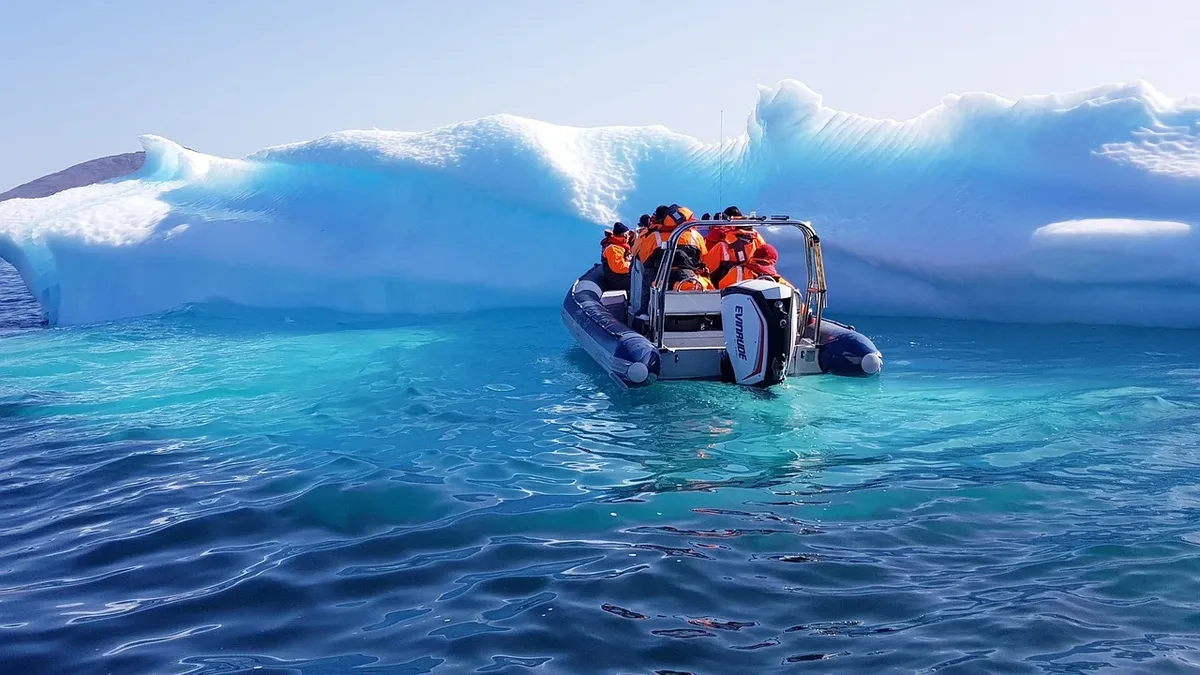
Atlas Ocean Voyages Reports Record Single-Day Bookings
Atlas Ocean Voyages recorded its strongest-ever single-day booking performance on August 31, driven by demand for Antarctica sailings and the new...
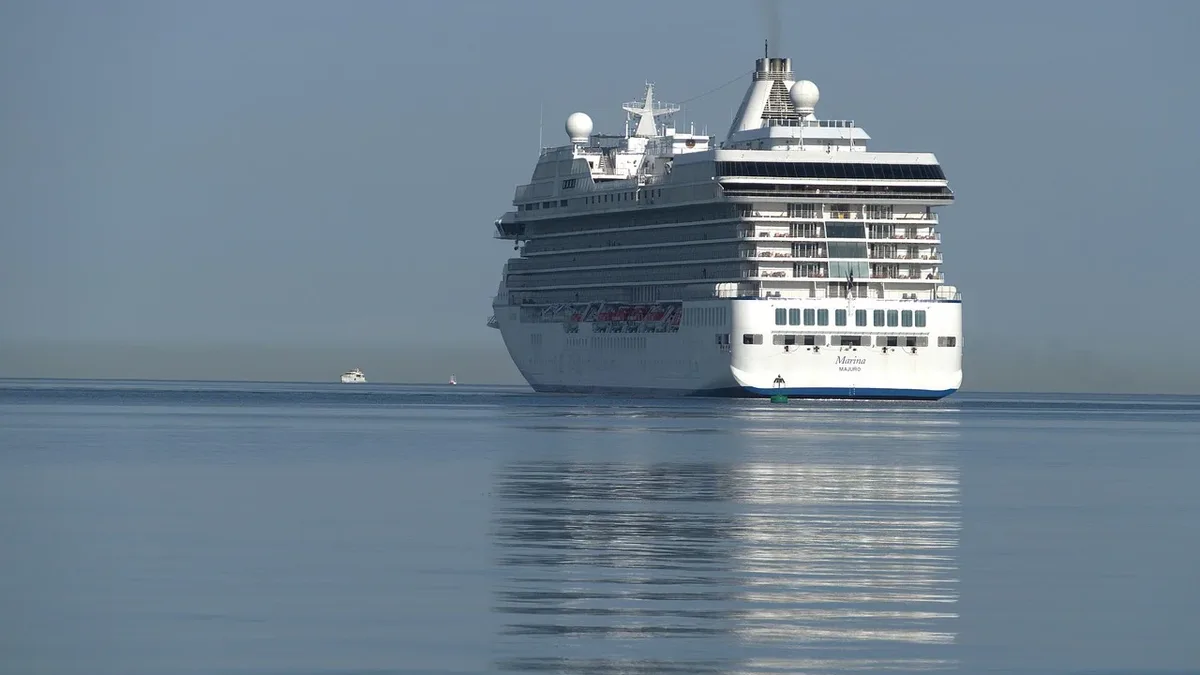
Terra Nova Expeditions Swaps to Terra Nova
Terra Nova Expeditions will use the Terra Nova Adventurer for its 2026-27 Antarctica season after the St. Helena could not reposition from the...