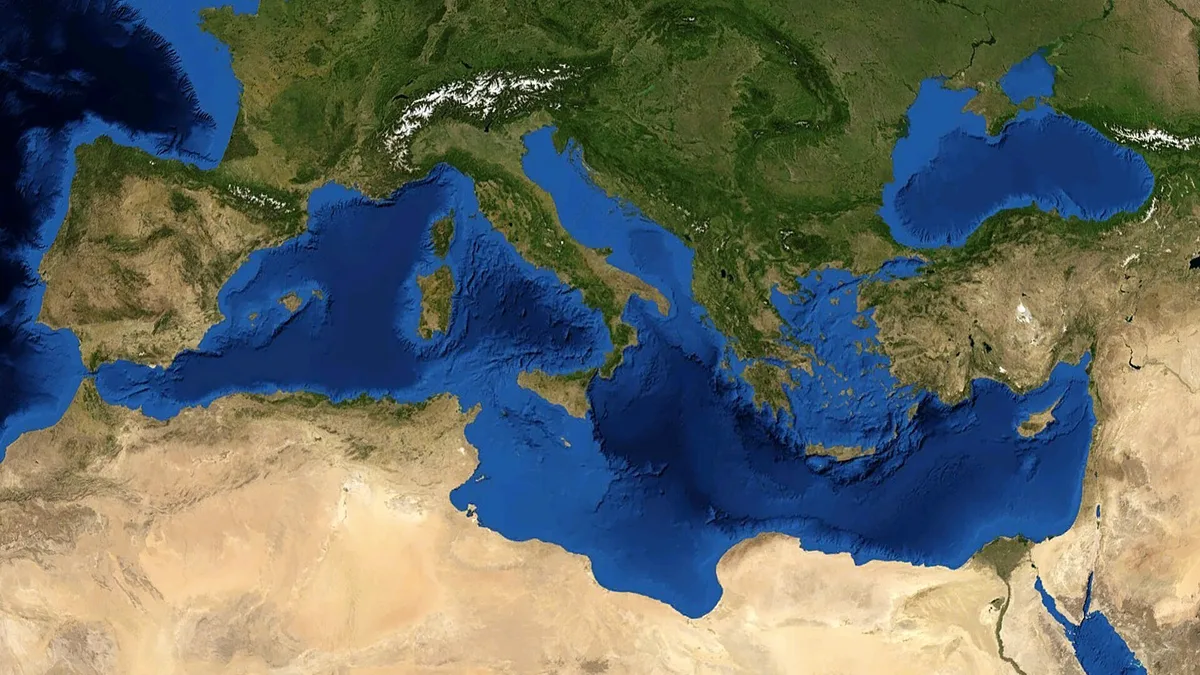
Mediterranean
| Cruise line | Mediterranean |
|---|---|
| Ship | varies by itinerary |
| Itinerary focus | Mediterranean Sea |
| Cabin types | Inside, Oceanview, Balcony, Suite |
| Ports of call | varies by itinerary |
| Embarkation ports | varies by itinerary |
| Typical voyage length | 7 to 14 nights |
| Primary sailing season | April to October |
Origin and history
Mediterranean Shipping Company (MSC) was founded in Italy during the early 1970s as a freight shipping operation. The company's origins are firmly rooted in Naples, where the Aponte family initiated its maritime business. Expansion into the passenger cruise sector came decades later, marking a significant diversification from its cargo roots. The launch of MSC's first dedicated cruise ship, the *MSC Monterey*, occurred in the late 1990s, signaling its official entry into the vacation market. Since that foundational period, MSC Cruises has grown to become one of the largest privately-owned cruise lines globally. Its historical development reflects a strategic evolution from a regional freight carrier to a dominant player in the worldwide leisure cruise industry.
What it is for
MSC Cruises provides a standardized, resort-style vacation experience centered on a large ship as the primary destination. The primary function is to transport guests on predetermined itineraries through the Mediterranean Sea and other global regions, with the ship itself offering extensive onboard amenities. It serves as a floating hotel, allowing travelers to visit multiple coastal destinations without the need to repack or arrange individual land accommodations. The experience is designed for those seeking a consolidated vacation with dining, entertainment, lodging, and transportation combined into a single purchase. Itineraries are structured to offer a blend of sea days focused on onboard activities and port days for cultural exploration or excursions. The model is geared towards delivering a consistent, high-volume European-style holiday with international appeal.
Mediterranean ships by size
MSC Cruises deploys a diverse fleet across the Mediterranean, categorized broadly by ship class and size. The smallest vessels frequently seen in the region, such as the Lirica-class ships, have a gross tonnage of approximately 65,000 and a guest capacity of around 2,500. Mid-sized options include the Musica-class and Fantasia-class ships, ranging from roughly 90,000 to 140,000 gross tons and accommodating between 2,500 to 3,900 passengers. The largest and newest vessels, like those in the Meraviglia and World classes, exceed 170,000 gross tons and can host over 6,000 passengers at full occupancy. This size progression corresponds directly to the scale of onboard facilities, from more intimate venues to expansive promenades and amusement parks. Fleet deployment is strategic, with larger, newer ships often assigned to premier Western Mediterranean routes from major hubs like Genoa or Barcelona.
Best Mediterranean ships
Within the MSC fleet, the "best" ship for a Mediterranean voyage often depends on a traveler's preference for innovation versus intimacy. The MSC *World Europa*, as the flagship of the World Class, represents the current pinnacle of the line's offerings with the most modern design and technology. For families seeking extensive facilities, the Meraviglia-class ships, such as MSC *Meraviglia*, are frequently highlighted for their indoor promenade and partnership amenities. Conversely, travelers prioritizing fewer passengers and a more traditional maritime feel might favor the well-maintained Musica-class vessels, like MSC *Musica*. Itinerary also plays a role, as some smaller or older ships may access less-frequented ports that larger vessels cannot. Reviews consistently note that newer ships provide superior soundproofing in cabins, more diverse dining options, and more efficient passenger flow in public areas.
Overview
An MSC Cruises Mediterranean voyage typically operates on a seven-night itinerary, looping between major ports like Genoa, Barcelona, and Naples. Cabins range from interior staterooms to expansive suites with private balcony access, with the Aurea and Yacht Club experiences offering additional service and amenity tiers. Port schedules usually mix iconic, high-demand destinations such as Valencia or Palma de Mallorca with at least one or two lesser-known stops. The onboard atmosphere is distinctly international, with announcements in multiple languages and a European flair in dining times and entertainment styles. Pricing is generally positioned in the mid-market range, offering a more affordable entry point compared to some premium lines, especially for interior cabins. The experience is comprehensive, with the cost covering accommodation, main meals, standard beverages, and most onboard theater shows and activities.
What to know
Booking an MSC Mediterranean cruise requires awareness that the base fare typically covers only main dining room meals, buffet food, and basic drinks like tap water, coffee, and tea. Additional costs for specialty dining, most beverages, shore excursions, service charges, and Wi-Fi are standard and can substantially increase the total trip expense. The onboard currency is the Euro, and all onboard accounts are settled via a cashless system linked to a registered credit card or pre-deposited funds. Embarkation ports in the Mediterranean are often large, bustling terminals where efficient check-in can be influenced by arrival time and passenger load. MSC's itineraries can be port-intensive, with some schedules featuring a new destination every day, which demands careful pacing to avoid fatigue. The passenger mix is notably diverse, with a strong European presence, which influences the overall dining style, smoking policy areas, and evening entertainment schedules.
Common questions
A frequent question concerns the dress code, which on MSC ships in the Mediterranean typically includes casual wear during the day and smart casual for most evenings, with one or two formal "gala" nights per week. Many travelers ask about the language situation, as announcements are made in several languages including English, Italian, French, German, and Spanish, but the primary onboard language is English. Guests often inquire about the flexibility of dining, with MSC offering set-time traditional dining in main restaurants as well as "My Choice" flexible dining options on many ships, though availability is not guaranteed. Questions about cabin selection focus on the differences between experience levels like Bella, Fantastica, Aurea, and Yacht Club, which dictate booking flexibility, cabin location, and included perks. Another common area of inquiry is the suitability for children, with MSC offering extensive kids' clubs divided by age group and family-friendly amenities on most Mediterranean-deployed ships. Potential passengers also often ask about the necessity of arranging visas, as Schengen area rules apply for many Mediterranean itineraries depending on a guest's nationality and the specific ports of call.
Pros and cons
A significant advantage of MSC in the Mediterranean is its modern fleet, offering a wide selection of ship sizes and styles to match different traveler preferences and budgets. The value proposition can be strong, with competitive initial fares and a vibrant, activity-filled resort atmosphere that appeals to families and younger travelers. However, a common critique is the potential for a crowded feel, especially on sea days or during peak dining times on the largest vessels, where queues can form. Some passengers regret the choice if they seek a quiet, refined, or all-inclusive experience, as the constant upsell for drinks packages, photos, and specialty dining can be pronounced. The highly international passenger mix is a pro for those seeking a cosmopolitan environment but can be a con for travelers who prefer a single primary language or more homogenized cultural references in entertainment. A frequent mistake is booking the lowest fare "Bella" experience without understanding its restrictions, which can include less desirable cabin locations and no ability to select a specific dining time.
Who it suits
MSC Cruises is well-suited for budget-conscious families and multi-generational groups seeking an energetic, activity-rich vacation with extensive children's programming and facilities. It appeals to first-time cruisers or younger travelers who prioritize modern ship amenities like water parks, sports courts, and Broadway-style theater shows over intimate service or destination immersion. The product is a strong match for European travelers or those comfortable in an international setting who appreciate the multilingual environment and Mediterranean culinary influences. It is less suited for travelers seeking a quiet, luxury, or all-inclusive experience, as the scale and constant commercial activity can detract from relaxation. Similarly, passengers who prioritize in-depth cultural exploration of each port may find the large-ship experience and limited port times restrictive compared to smaller vessel or land-based alternatives. Ultimately, it suits those viewing the ship itself as a primary destination within a broader Mediterranean travel framework.
Latest Mediterranean news
Latest reporting
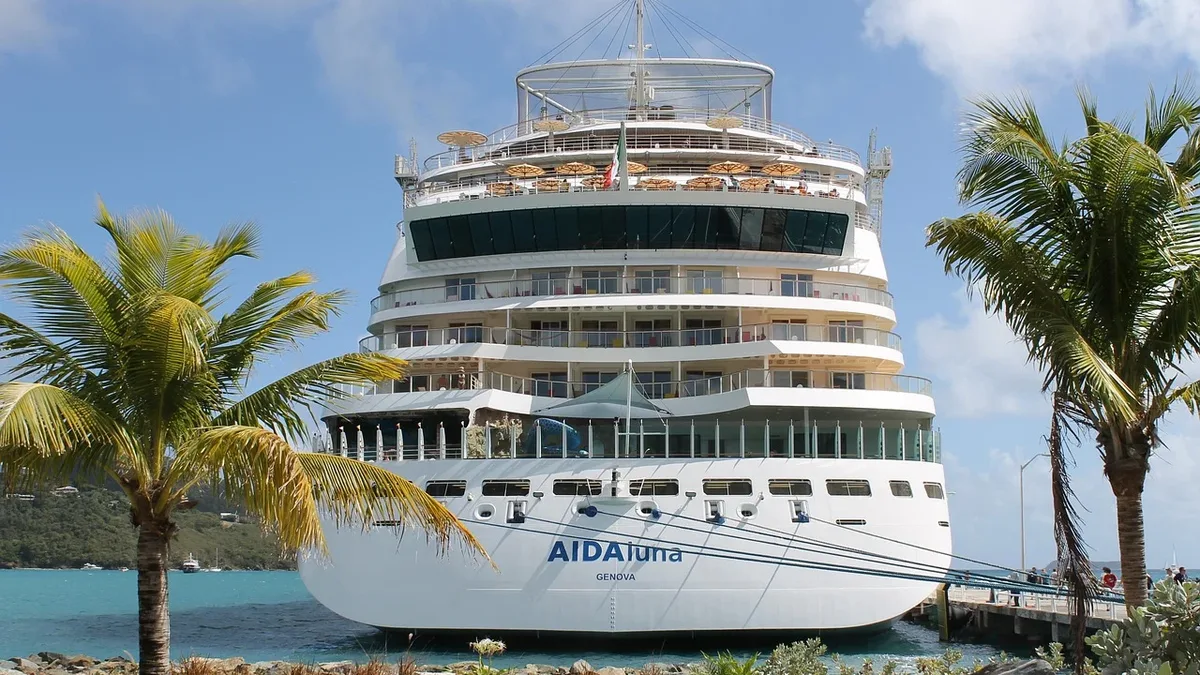
Azamara's Pawlus on Choosing Ports for Repeat Cruisers
Azamara's head of itinerary planning, Mike Pawlus, explains his core question for selecting ports and details the line's shift to year-round...
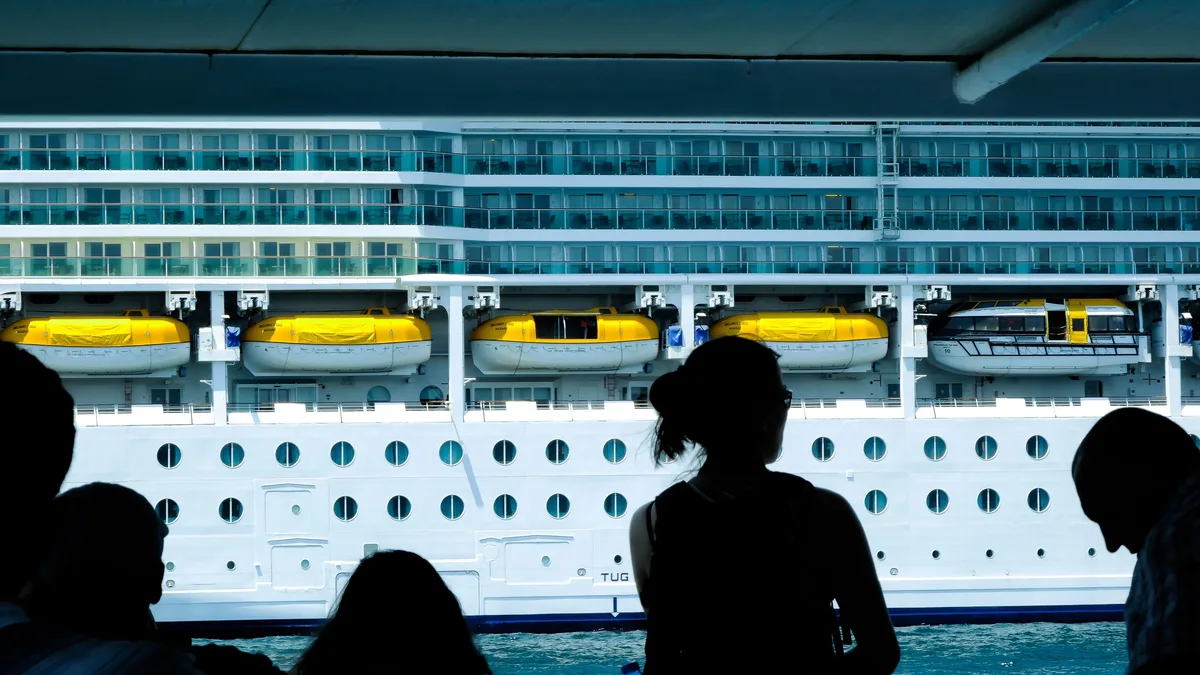
Mediterranean Cruise Leaders Debate Growth
At Seatrade Cruise Med 2026, industry executives discussed balancing record passenger numbers with demands for sustainable practices and authentic
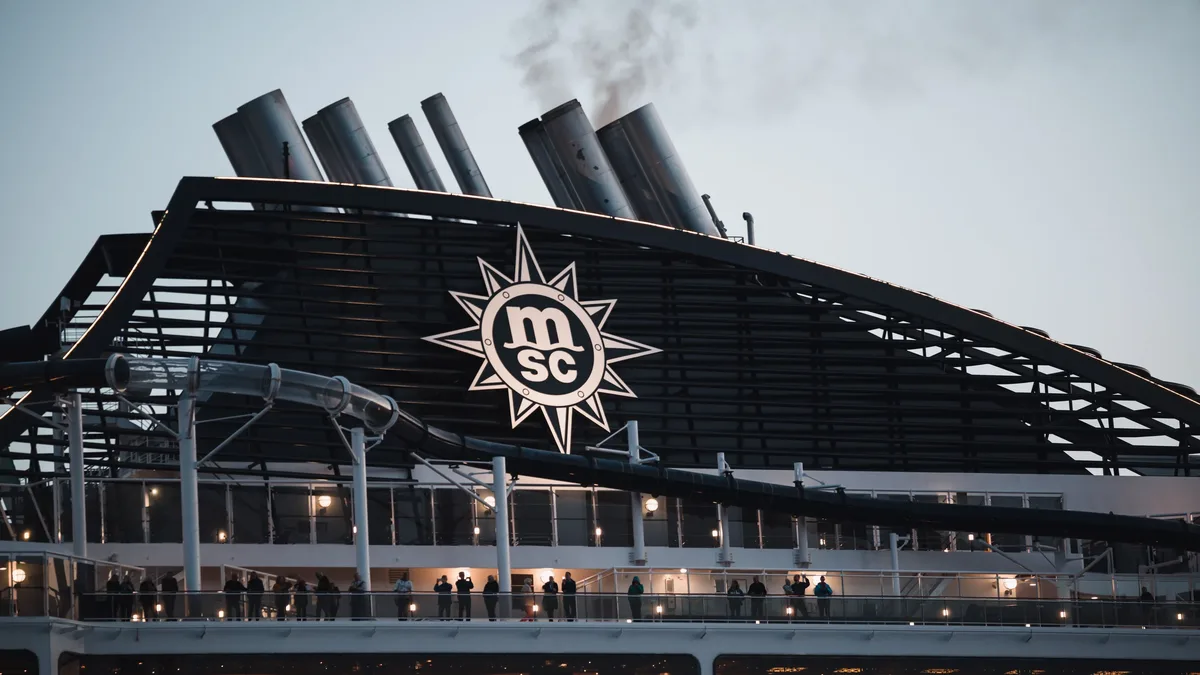
MSC World Asia to Feature Five New Bars on 2026 Debut
MSC Cruises has revealed five new bar concepts for its upcoming flagship, MSC World Asia, which will begin seven-night Mediterranean sailings in...
Scottish Runner Completes Seven Marathons on Princess Cruise
Trail runner Paul Manson ran a marathon each day of a seven-night Mediterranean cruise aboard the Enchanted Princess in August 2026, covering nearly...
MSC Cruises Details 2026-27 Winter Sailings
MSC Cruises has outlined its winter 2026-27 season, featuring five key reasons to book, including the debut of MSC World Asia in the Mediterranean and
Celestyal Adds Egypt Overnight to New Winter Mediterranean
Celestyal Cruises is launching new seven-night winter sailings from Athens to Istanbul starting December 2027, featuring an overnight stop in...