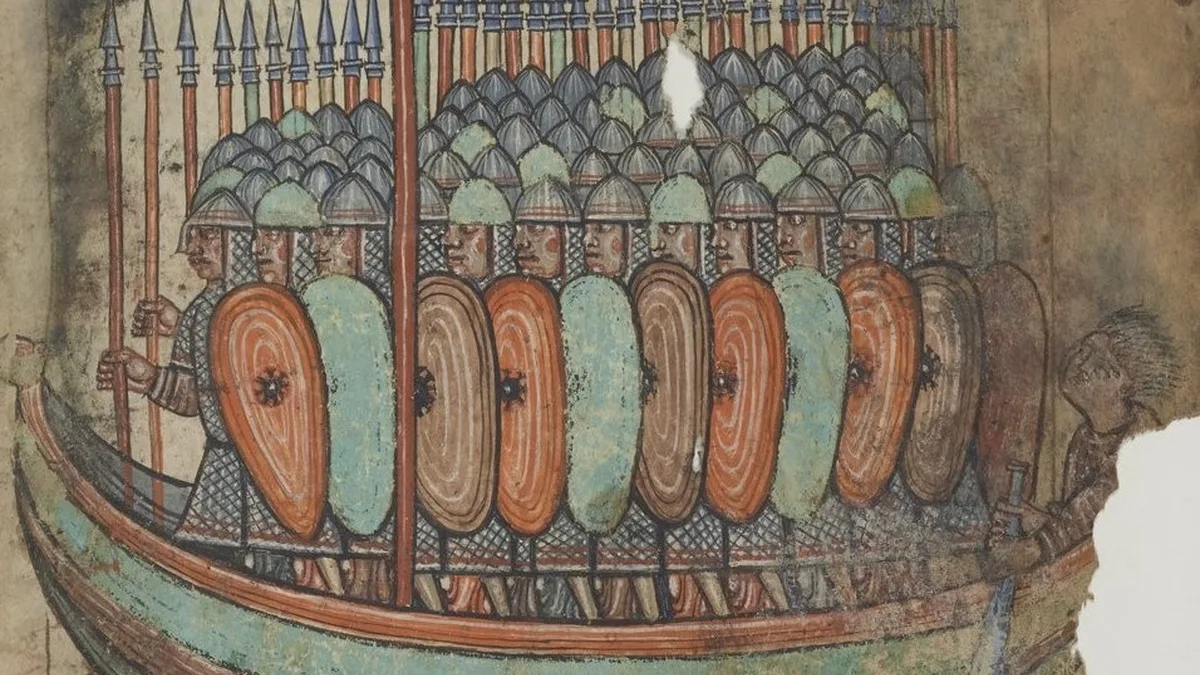
Viking
| Cruise group | Viking |
|---|---|
| Country of origin | Norway |
| First created | 1997 |
| Original use | River cruising |
| Primary market | Adults only (typically 18+) |
| Typical ship size | Small to medium (ocean); Longship class (river) |
| Primary regions | Rivers (Europe, Asia, Egypt); Oceans (worldwide) |
| Onboard atmosphere | Cultural, destination-focused |
Origin and history
Viking is a cruise line founded in the late 1990s, originating from the United States. Its initial focus was on river cruising, primarily operating vessels on the waterways of Europe. The company expanded significantly in the following decades, entering the ocean cruise market in the 2010s. This expansion was marked by the launch of a fleet of identical, purpose-built ocean ships designed for a specific type of travel experience. The company's growth reflects a strategic move to capture a segment of travelers seeking destination-focused itineraries. Its branding and operational philosophy are consistently applied across both its river and ocean cruise divisions.
What it is for
Viking operates cruises designed for travelers seeking a destination-intensive and culturally focused itinerary. Its ocean ships are specifically built to access smaller, less crowded ports that larger vessels cannot enter. The onboard experience is structured around enrichment, with daily lectures, destination-themed performances, and included shore excursions in most ports. The ships lack casinos, elaborate stage productions, and extensive children's facilities, prioritizing a quieter, more contemplative atmosphere. Cabin design emphasizes a Scandinavian-inspired aesthetic with private verandas being standard on ocean ships. The overall product is a cruise that functions as a comfortable means of transport between in-depth cultural explorations.
Pros and cons
A significant pro is the inclusive nature of the fare, which covers a shore excursion in every port, Wi-Fi, and specialty dining, reducing onboard spending surprises. The consistent design across the fleet and the standard veranda cabin provide a reliable and spacious experience. However, the structured, enrichment-focused atmosphere can feel overly sedate for travelers seeking vibrant nightlife or family entertainment. Passengers who regret choosing Viking often cite a lack of spontaneous fun or energetic social venues as a common complaint. The daily schedule, while intellectually stimulating, can also feel regimented to those desiring a more relaxed, resort-style vacation. A common mistake is booking Viking for a celebratory or multi-generational family trip, as the environment is tailored almost exclusively to adults without children.
Who it suits
Viking suits mature travelers, typically aged 50 and above, who prioritize learning and cultural immersion over high-energy entertainment. It is ideal for curious, destination-focused passengers who view the ship primarily as a comfortable hotel moving between ports of call. The line appeals to travelers who appreciate a consistent, design-conscious environment and prefer not to be nickel-and-dimed for basic amenities. It is a strong match for couples or solo travelers seeking a refined, quiet, and intellectually engaging atmosphere without the distractions of casinos or loud pool decks. The product is poorly suited for families with children, nightlife seekers, or anyone requiring extensive onboard medical facilities, as the ships are not equipped for complex care. It also may not satisfy travelers who prefer unstructured, independent exploration, as the included tour model can feel confining.
Latest Viking news
Latest reporting
Viking Reports Strong Second Quarter 2026 Financial Performance
Viking reported a 16.5% revenue increase in Q2 2026, driven by higher capacity and demand. Adjusted EBITDA rose 18.2%, and bookings for 2026 and 2027...
Viking Yi Dun Embarks on Chinese-Language Europe Season
Viking Cruises' Viking Yi Dun has set sail from Tarragona, Spain, marking the beginning of the 2026 Chinese-language Europe ocean season.
Viking Warns Guests of Itinerary Changes on Rhine River
Low water levels on the Rhine River are affecting the upcoming sailing of Viking's Viking Idun.