Costa
| Cruise line | Costa Cruises |
|---|---|
| Country of origin | Italy |
| First created | 1940s |
| Original use | Cargo and passenger transport |
| Fleet size | Medium to large |
| Primary market region | Europe |
| Notable design style | Italian-inspired |
| Typical itinerary length | 7 to 14 nights |
| Common cabin categories | Inside, Oceanview, Balcony, Suite |
Origin and history
Costa Cruises originates from Italy, with its founding dating back to the mid-20th century. The company began as a cargo shipping operation established by the Costa family in the 1850s before transitioning into passenger services. The launch of its first dedicated passenger ship, the Anna C, in the late 1940s marked its official entry into the cruise industry. Throughout the latter half of the twentieth century, Costa expanded its fleet and became a dominant player in European cruising. The line is recognized for introducing the concept of cruising as a mainstream holiday option to the Italian market and later across Europe. It has been owned by the American cruise corporation Carnival Corporation & plc since the late 1990s, which significantly expanded its operational scale.
What it is for
Costa Cruises provides large-ship, resort-style vacations primarily focused on the European market and Mediterranean itineraries. The core product is a floating hotel experience that transports guests between multiple destinations without the need to repack or change accommodations. It is designed for travelers seeking a holiday that combines onboard entertainment, diverse dining, and pools with the cultural exploration of coastal cities and islands. The itineraries are structured to offer a blend of sea days for enjoying ship amenities and port days for organized shore excursions or independent exploration. The line also serves the purpose of making cruising accessible to a broad, international audience, often featuring multilingual announcements and services. Its ships function as self-contained resorts, ensuring activities and entertainment are available throughout the sailing, regardless of the weather or itinerary changes.
Costa ships by size
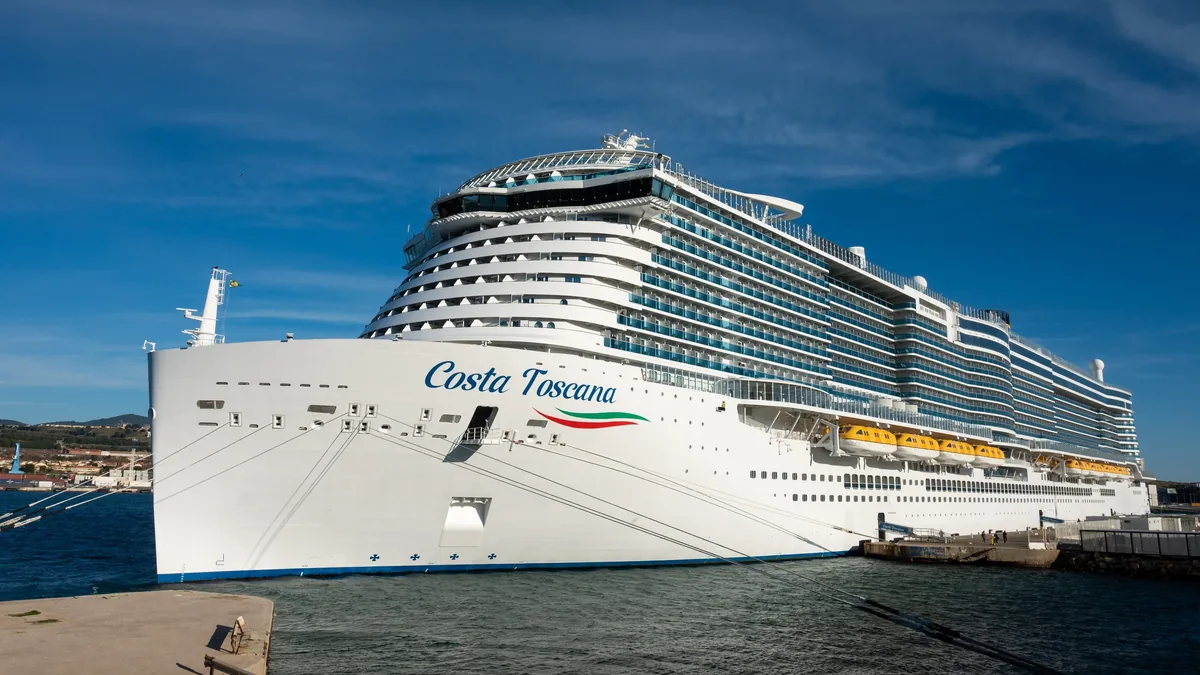
Costa's fleet is composed of vessels that can be categorized into distinct size classes, with gross tonnage being the standard industry measurement. The largest class includes the Costa Smeralda and Costa Toscana, each exceeding 180,000 gross tons and accommodating over 6,500 passengers. A mid-size class features ships like the Costa Diadema and the Costa Venezia, which range between 130,000 and 135,000 gross tons and carry approximately 4,000 to 5,000 passengers. The smaller vessels in the fleet, such as the Costa Deliziosa and Costa Luminosa, are around 92,000 gross tons and host roughly 2,800 passengers. An older generation of ships, like the Costa Fortuna and Costa Magica, fall into a category of about 102,000 gross tons. The fleet's size variation allows the line to deploy different ships to ports with varying infrastructure constraints.
Best Costa ships
The "best" ships within the Costa fleet are typically the newest and largest vessels, which offer the most modern amenities and expansive entertainment options. The Costa Smeralda and its sister ship Costa Toscana are considered flagship products, featuring innovative design and a concentration of dining and activity venues. These ships are distinguished by their extensive use of Italian design brands and a central indoor promenade lined with shops and cafes. For families or those seeking extensive facilities, these newer ships provide the broadest range of cabin categories, including large suites and dedicated family accommodations. The Costa Diadema is also frequently highlighted for its spacious pool deck and the variety of its public rooms compared to older vessels. The assessment of "best" can depend on itinerary, as some smaller, older ships access more unique or constrained ports that larger vessels cannot.
Overview
A Costa cruise is characterized by a vibrant, international atmosphere with a strong Italian flavor influencing the dining, design, and overall ambiance. The onboard experience is active and social, with scheduled activities throughout the day and energetic evening entertainment in multiple lounges and a large theater. Dining options range from included main dining rooms serving multi-course Italian-influenced meals to numerous specialty restaurants available for an additional fee. Cabins are functionally furnished and follow standard cruise ship layouts, with suites offering enhanced space and amenities like priority boarding. Itineraries are heavily concentrated in the Mediterranean and Western Europe but also include seasonal programs in the Caribbean, South America, the Middle East, and Asia. The pricing structure is generally positioned in the contemporary market segment, aiming for value while offering various packages for beverages, excursions, and Wi-Fi.
What to know
Prospective passengers should know that Costa operates with a highly international passenger mix, leading to announcements and printed materials in multiple languages, which can be pervasive. The onboard currency is the Euro, and all onboard accounts are settled in Euros, regardless of the sailing region. Smoking is permitted in designated indoor areas, including a portion of the casino, which is less restrictive than some other major cruise lines and can be a consideration for non-smokers. The beverage packages have specific rules and exclusions, and it is crucial to understand what is included, as ordering a drink not covered will incur a full charge. Shore excursions can be large group affairs due to the passenger count and language requirements, and independent exploration is always an option if one is comfortable with logistics. Formal nights are typically referred to as "Gala Evenings" and involve a suggested dress code, but enforcement is generally relaxed compared to more traditional lines.
Common questions
A common question is about the primary language onboard, which is Italian, but English, French, German, and Spanish are also widely used for services and announcements. Guests frequently ask about the dress code, which is generally casual during the day and smart-casual in the evenings, with Gala Evenings allowing for more formal attire if desired. Many inquire about the inclusivity of the fare, which typically covers accommodation, main meals, some beverages like tap water and basic coffee, and use of most onboard facilities. Questions regarding cabin selection often focus on the differences between cabin categories and the location recommendations to minimize noise from public areas. Passengers often want to know about the need for adapters, as the cabins use European-style 220-volt outlets with two round pins. Another frequent inquiry concerns tipping, as Costa adds a daily service charge to all passenger accounts, which can usually be adjusted at the guest services desk.
Pros and cons
A significant pro is the authentic Italian atmosphere, particularly in the quality of coffee, gelato, and regional dishes, which provides a distinct cultural experience. The itineraries are a strength, offering efficient access to a wide array of Mediterranean ports and often featuring overnight stays in major cities like Barcelona or Venice. A notable con is the potential for crowded feeling in public areas, especially on sea days or during peak dining times on the largest ships, due to high passenger density. The multilingual environment, while inclusive, can lead to lengthy announcements and shows that feel repetitive as information is delivered sequentially in several languages. Common passenger regrets often involve underestimating the impact of the international crowd on the social atmosphere and activity pacing, which differs markedly from single-language dominant cruises. A frequent mistake is not budgeting for additional costs, as many desirable extras, including many non-alcoholic specialty drinks, most bottled water, and numerous dining venues, incur substantial extra charges.
Who it suits
Costa Cruises suits European travelers and those from other regions who enjoy a lively, social holiday with a continental European flair. It is a good match for families and groups seeking an affordable, activity-filled resort vacation where the ship itself is a major destination. The line appeals to passengers who prioritize itinerary and wish to sample multiple Mediterranean destinations with the convenience of unpacking only once. It is less suited to travelers seeking a quiet, refined, or exclusively English-language environment, as the ambiance is bustling and multilingual. First-time cruisers attracted to the value proposition and the idea of visiting several countries may find it a suitable introduction, provided they research the onboard culture. It is not ideal for those sensitive to cigarette smoke or who prefer all-inclusive pricing without constant upsell offers for dining, drinks, and services.
Latest Costa news
Latest reporting
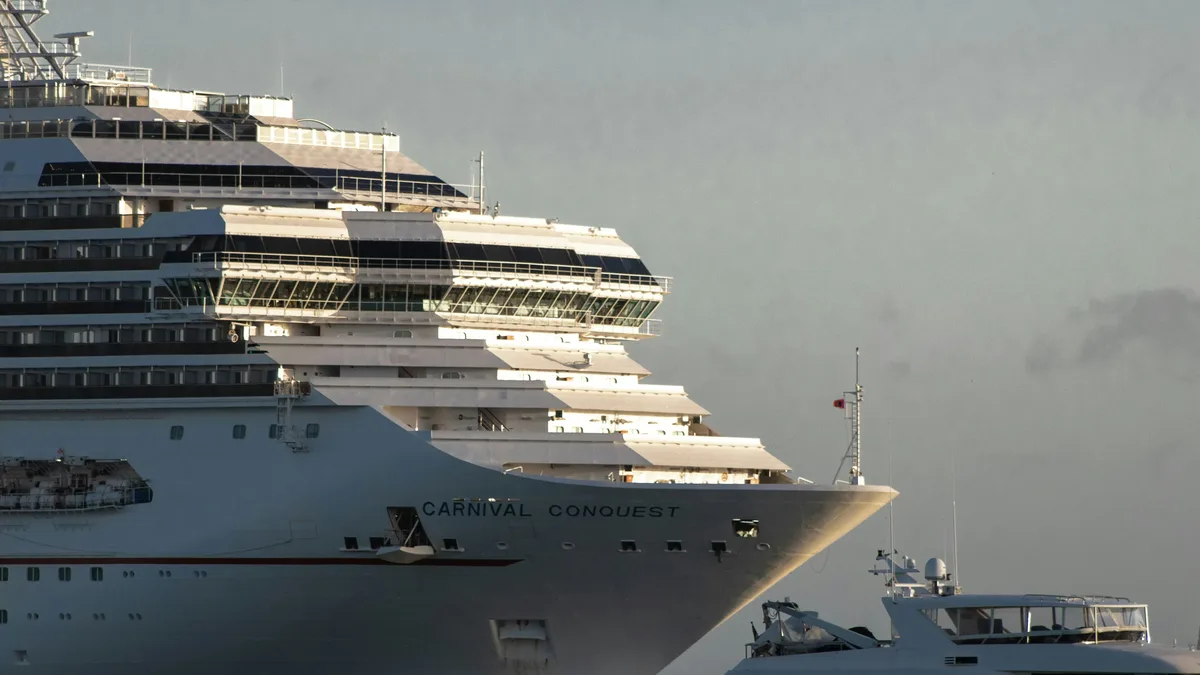
National Geographic-Lindblad Expands 2028-29 Cruise Itineraries
National Geographic-Lindblad Expeditions has announced its expanded 2028-29 cruise deployment, introducing new and extended itineraries across six...

Costa Cruises Unveils Winter 2026-27 Mediterranean, Caribbean and Canary Islands Itineraries
Costa Cruises has announced six new themed itinerary concepts for its winter 2026-27 season, featuring three Mediterranean, two Caribbean, and one...
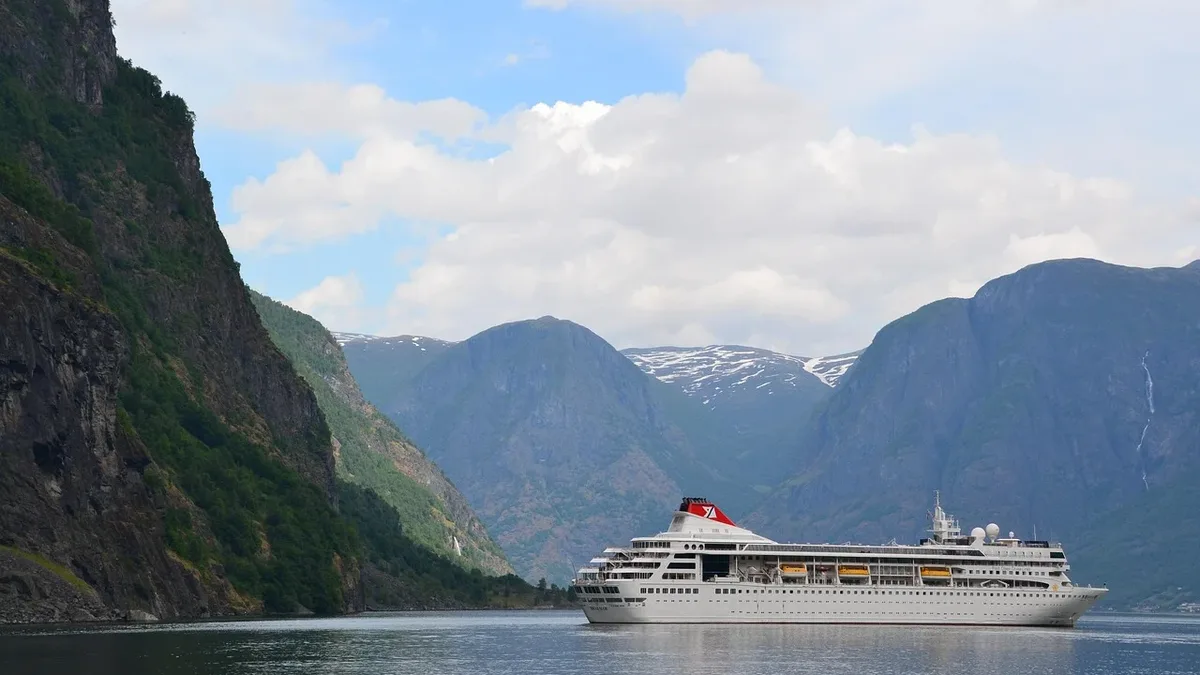
Costa Favolosa alters Norway itinerary due to rough seas
Costa Favolosa cancelled calls in Leknes and Bodø due to forecasted strong winds and rough seas, reshuffling its Norwegian route and offering onboard...
Costa Cruises Appoints New Americas Region Director
Costa Cruises has named Jorge Serrano Martín de Vidales as its new Americas region director, replacing Dario Rustico, who is leaving after over 20...