
Norwegian
| Cruise line | Norwegian Cruise Line |
|---|---|
| Country of origin | United States |
| First created | 1966 |
| Original use | Caribbean cruise service |
| Ship class | Varies by ship |
| Itinerary focus | Global |
| Cabin types | Varies by ship |
| Dining style | Freestyle Cruising |
| Onboard currency | United States dollar |
Origin and history
Norwegian Cruise Line is a cruise line founded in the mid-1960s, originating from the United States. Its first ship, the Sunward, began sailing from Miami to the Caribbean in the late 1960s. The company pioneered the concept of "Freestyle Cruising" in the early 2000s, which fundamentally altered traditional cruise dining and scheduling. This innovation removed fixed dining times and formal dress codes, offering passengers greater flexibility. Norwegian Cruise Line Holdings, the parent company, became publicly traded in the early 21st century. The line has consistently focused on contemporary, resort-style vacations aimed at a broad market.
What it is for
Norwegian Cruise Line provides a vacation experience centered on flexibility, choice, and a casual, resort-style atmosphere onboard its ships. Its primary purpose is to transport guests to various destinations worldwide while offering a vast array of onboard dining, entertainment, and accommodation options. The "Freestyle Cruising" model means guests are not assigned fixed dining times or tables, allowing them to eat when and where they wish each evening. Itineraries range from short three- and four-day cruises to longer voyages spanning multiple weeks and continents. The line caters to travelers seeking a less regimented cruise experience with a focus on modern amenities like expansive water parks, Broadway-style shows, and numerous specialty restaurants. It is designed for those who prioritize variety and informality over traditional, structured cruise traditions.
Norwegian ships by size
Norwegian Cruise Line's fleet is categorized into distinct classes, which correspond closely to the size and passenger capacity of the vessels. The smallest contemporary ships are those from the Dawn and Jewel classes, which typically carry approximately 2,000 to 2,400 passengers and are considered mid-sized. The Breakaway and Breakaway-Plus classes represent the line's large, modern ships, with capacities ranging from approximately 3,900 to 4,200 passengers and featuring extensive amenities like expansive waterfront promenades. The newest and largest class is the Prima Class, with ships like Norwegian Prima and Norwegian Viva carrying around 3,200 passengers and focusing on more spacious design and higher space ratios. The now-retired Pride of America, which sails exclusively in Hawaii, was a unique mid-sized vessel in the fleet. Fleet composition changes over time as older ships are sold and new, larger vessels are introduced.
Best Norwegian ships
Determining the "best" ships often depends on passenger priorities, but certain vessels are consistently highlighted for specific features. The Breakaway-Plus class ships, such as Norwegian Escape, Joy, and Bliss, are frequently cited for their extensive entertainment options, vast choice of dining venues, and innovative attractions like go-kart tracks and laser tag. For a more spacious and upscale experience with newer amenities, the Prima Class ships, Norwegian Prima and Viva, are noted for their improved design flow and higher number of suites and exclusive areas. The Jewel-class ships, like Norwegian Jewel and Pearl, are often recommended for their manageable size and access to smaller ports, appealing to those who prefer a less crowded feel. Ships based year-round in unique regions, such as the Pride of America for comprehensive Hawaii itineraries, are considered best for destination-intensive cruising. Ultimately, the best ship aligns with a traveler's desire for either mega-ship excitement or a more intimate, destination-focused journey.
Overview
Norwegian Cruise Line operates a fleet of modern, contemporary ships sailing global itineraries across the Caribbean, Europe, Alaska, Asia, and beyond. The onboard experience is defined by the "Freestyle Cruising" philosophy, which eliminates fixed dining times and formal nights in favor of flexibility and choice. Accommodations range from standard interior staterooms to expansive suites in exclusive complex areas like The Haven, which offer private amenities and services. Itineraries vary greatly in length and destination, with a strong presence in popular warm-weather markets and seasonal offerings in regions like Alaska and the Mediterranean. Pricing is dynamic and varies by ship, sailing date, cabin category, and itinerary, with frequent promotions that may include beverage packages or dining credits. The line positions itself as a premium contemporary option, offering a wide array of included and extra-cost amenities to suit different budgets and preferences.
What to know
The "Freestyle Cruising" model means you will need to plan and potentially reserve dining and show times in advance, especially on larger ships, to avoid waiting or missing preferred options. A standard cruise fare covers main dining rooms, the buffet, and certain casual eateries, but numerous specialty restaurants (like steakhouses, French bistros, and teppanyaki) incur an additional cover charge or à la carte fee. Beverage packages are a significant add-on cost, and a daily service charge (gratuity) is automatically applied to all passengers' accounts to cover dining and housekeeping staff. Cabin selection is critical, as balcony staterooms on newer ships often feature deeper, more private balconies, while interior rooms may utilize virtual windows or portholes. Itineraries on larger ships may prioritize major ports that can accommodate their size, while smaller Jewel-class vessels can access more unique, less crowded destinations. Onboard activities such as go-karts, laser tag, and some premium shows may require an extra fee or advance reservation.
Common questions
Is everything included in the fare on a Norwegian cruise? No, the base fare covers accommodation, main dining, basic beverages, standard entertainment, and use of most pools and fitness facilities, but specialty dining, alcoholic drinks, soda, premium coffee, shore excursions, and certain activities cost extra. What does "Freestyle Cruising" mean for dress codes? Norwegian maintains a "cruise casual" atmosphere most evenings, with no formal nights requiring tuxedos or gowns, though some specialty restaurants may enforce a "smart casual" dress code prohibiting items like shorts or flip-flops. Are Norwegian cruises good for families? Yes, the line offers extensive family programming, splash parks, waterslides, and connecting staterooms, though some high-thrill attractions may have height restrictions for younger children. How does The Haven differ from regular cabins? The Haven is a ship-within-a-ship suite complex offering private lounges, pools, and sun decks, dedicated concierge and butler service, priority boarding and disembarkation, and exclusive restaurant access. Can I bring my own drinks onboard? Norwegian's policy generally prohibits passengers from bringing bottled water, soda, or alcoholic beverages onboard, with exceptions for sealed wine or champagne bottles which incur a corkage fee. What happens if I miss the ship at a port? It is the passenger's responsibility to rejoin the ship at the next port of call at their own expense, making independent shore excursion timing a critical consideration.
Pros and cons
Pros include the significant flexibility of Freestyle Dining, which appeals to those who dislike rigid schedules and formal attire, and the vast array of dining and entertainment options, particularly on newer ships, which can feel like a large, lively resort. The variety of cabin categories, from budget-friendly interiors to luxurious suite complexes like The Haven, caters to a wide range of budgets and desires for service. Cons involve the potential for high additional costs, as the base fare is often a starting point with specialty dining, drinks, activities, and gratuities adding substantially to the final bill, leading to budget overruns. The sheer size and passenger load of the largest ships can result in crowded pool decks, long lines for popular attractions, and a need for meticulous advance reservations, which some find stressful. Passengers who prefer a more structured, traditional cruise experience with set dining companions and formal evenings often regret choosing Norwegian, finding the casual, à la carte atmosphere lacking in camaraderie and elegance. A common mistake is booking a large, activity-heavy ship for a port-intensive itinerary, leaving little time to enjoy the onboard amenities and resulting in a feeling of paying for unused features.
Who it suits
Norwegian Cruise Line suits travelers who prioritize flexibility, choice, and a casual, resort-style vacation over traditional cruise rituals. It is ideal for families and multi-generational groups due to its wide variety of activities and dining options that can please different ages and tastes. Couples and friends seeking a lively, activity-filled ship with nightlife, shows, and numerous bars will find the larger Breakaway and Prima class ships a good fit. The Haven suite complex appeals strongly to luxury-seeking passengers who desire top-tier service and exclusive spaces but still want access to a large ship's energy and amenities. It is less suited to travelers who prefer a quiet, regimented, or highly formal cruising atmosphere, or those on a very tight budget who may be frustrated by the constant upsell opportunities and additional charges.
Latest Norwegian news
Latest reporting
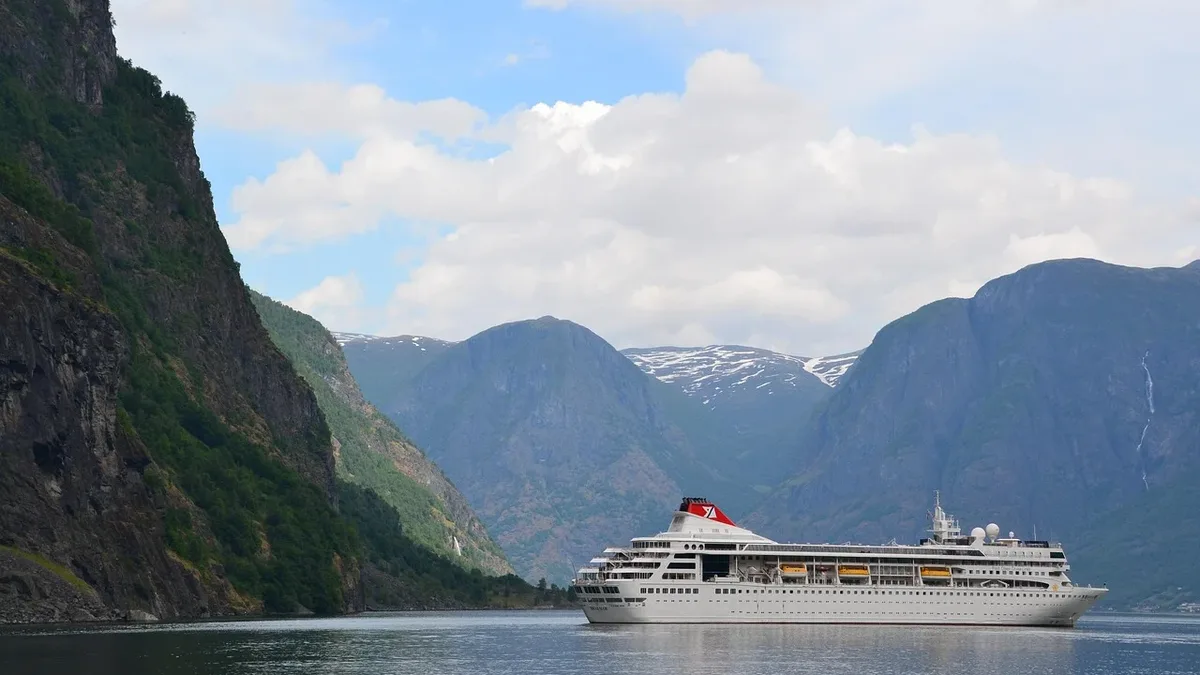
Norwegian Joy's 2028 Alaska Itinerary Drops Skagway
Norwegian Cruise Line has altered Norwegian Joy's May 19, 2028, Alaska sailing, replacing Skagway and Sitka with Whittier and adjusting other port...
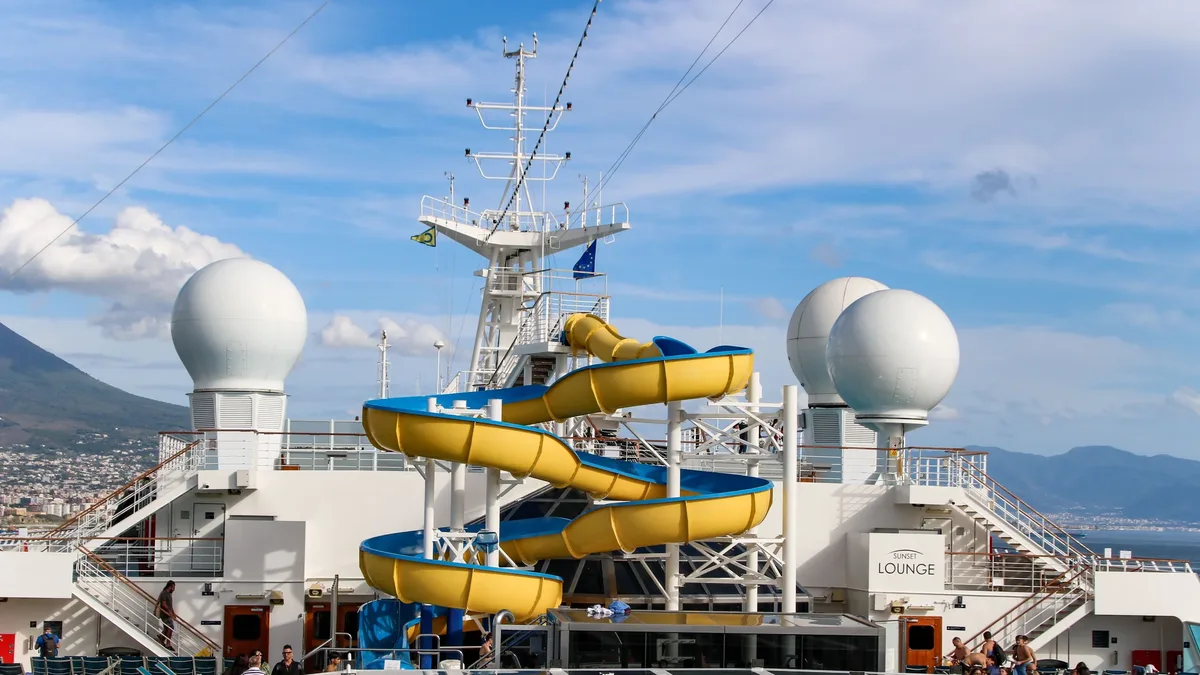
Norwegian Sky's Final NCL Voyage Saw Venues Close Early
Norwegian Sky concluded its final voyage for Norwegian Cruise Line with several onboard venues closed or operating on a limited schedule as the ship
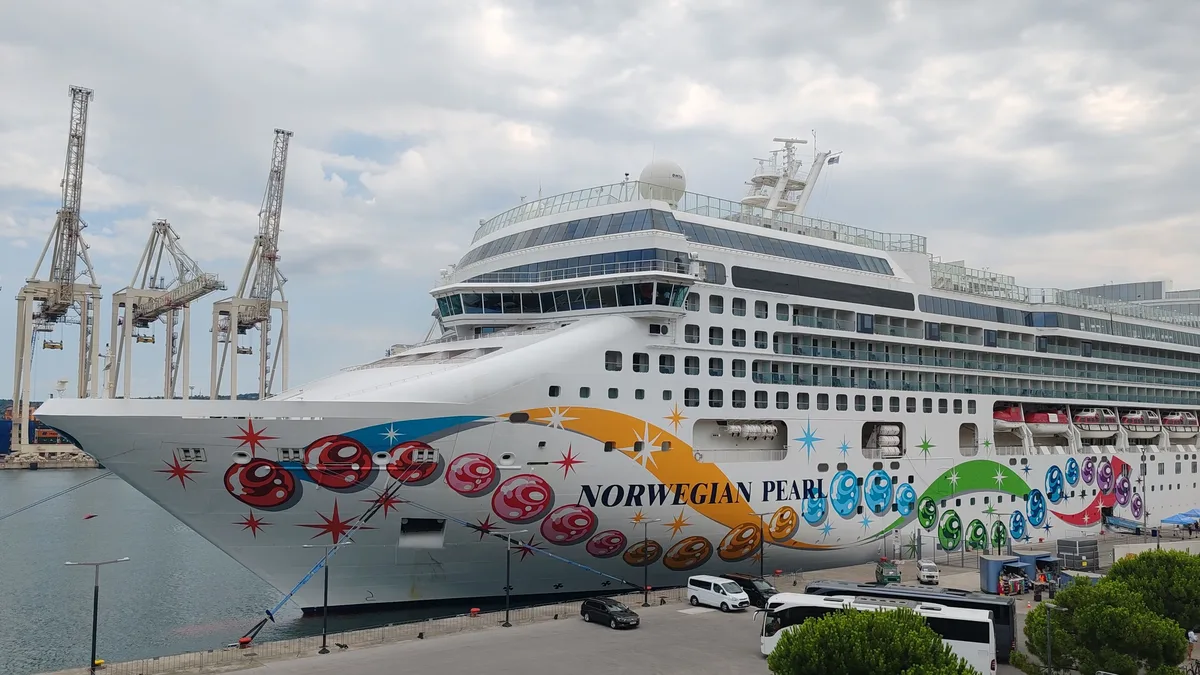
Norwegian Cruise Line's Prince Show Revolutionizes Tech, Not
A review of Norwegian Cruise Line's 'Revolution: A Celebration of Prince' finds its technical execution stunning but criticizes subpar vocal...
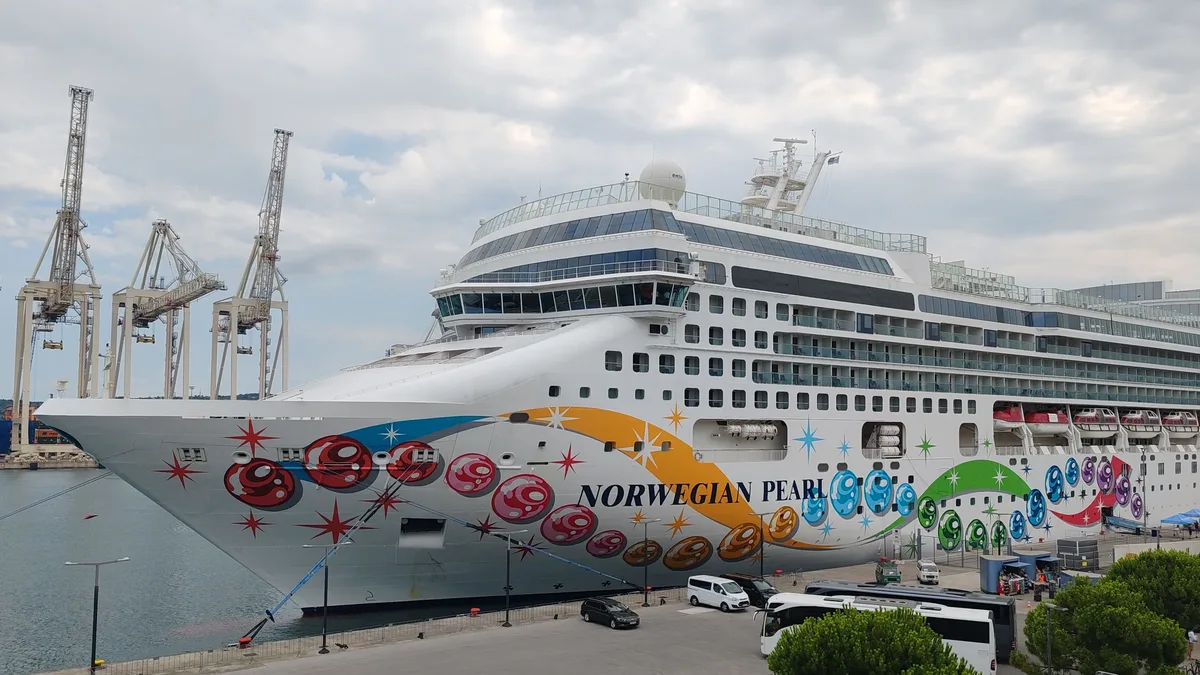
Nor Cruises Signs Deal for Up to Five New Ships
Nor Cruises has signed a preliminary deal for up to five new 82,000-ton cruise ships to be built in China. The Norwegian startup company is seeking...
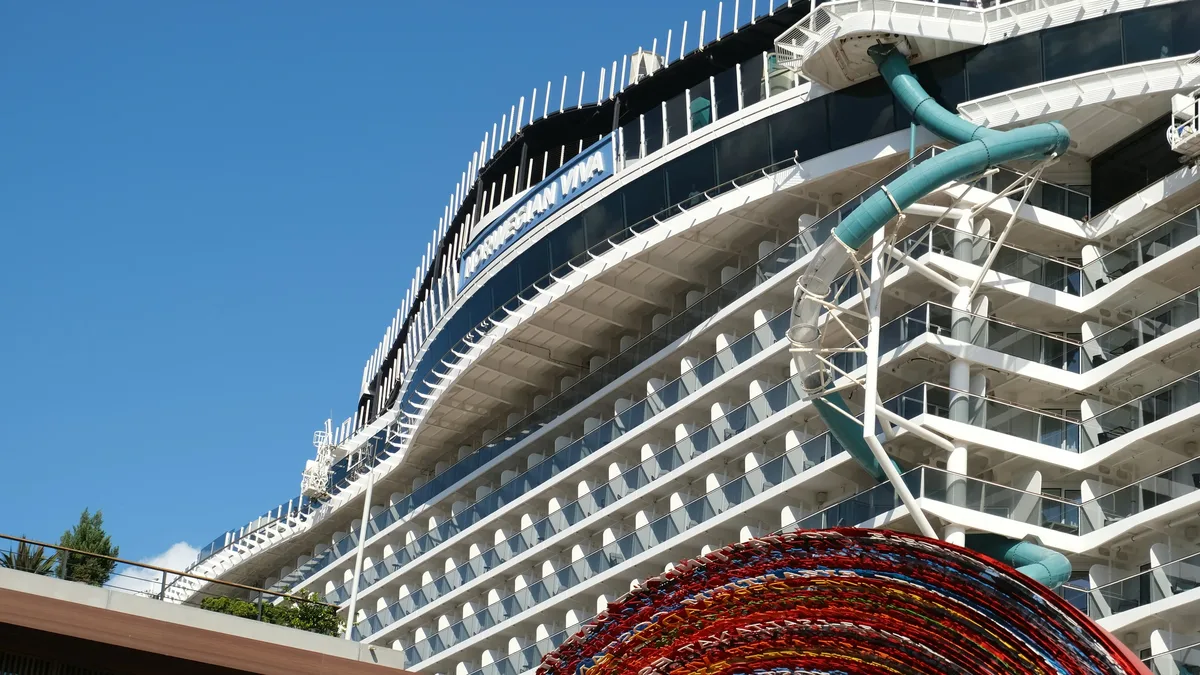
Norwegian's Great Tides Waterpark Opens in 2026
Norwegian Cruise Line has unveiled its new Great Tides Waterpark at Great Stirrup Cay. The 6-acre park, opening to guests in September 2026, features...
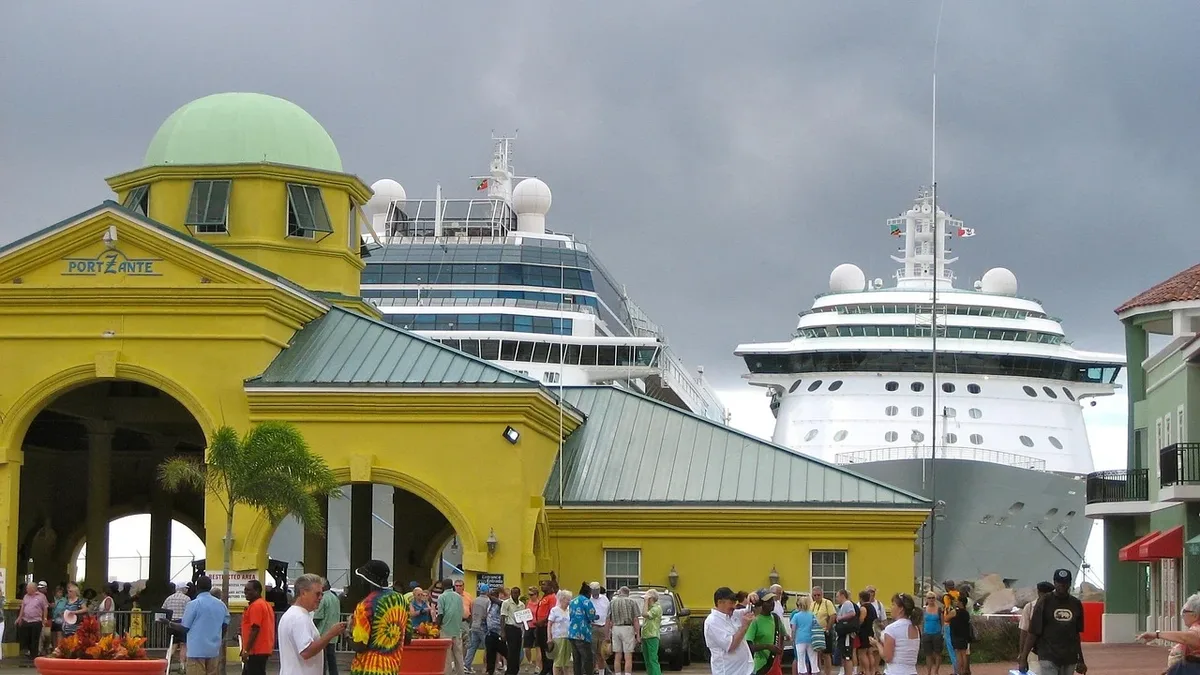
Philadelphia Cruise Terminal Opens
Philadelphia's new permanent cruise terminal officially opened on August 27, 2026, with Norwegian Cruise Line Holdings announcing $50,000 in community