Oslo Port cuts shipping emissions 34% since 2017
The Port of Oslo has reduced greenhouse gas emissions from shipping and port activities by 34% since 2017, cutting from 47,700 to 31,505 tonnes of CO2.
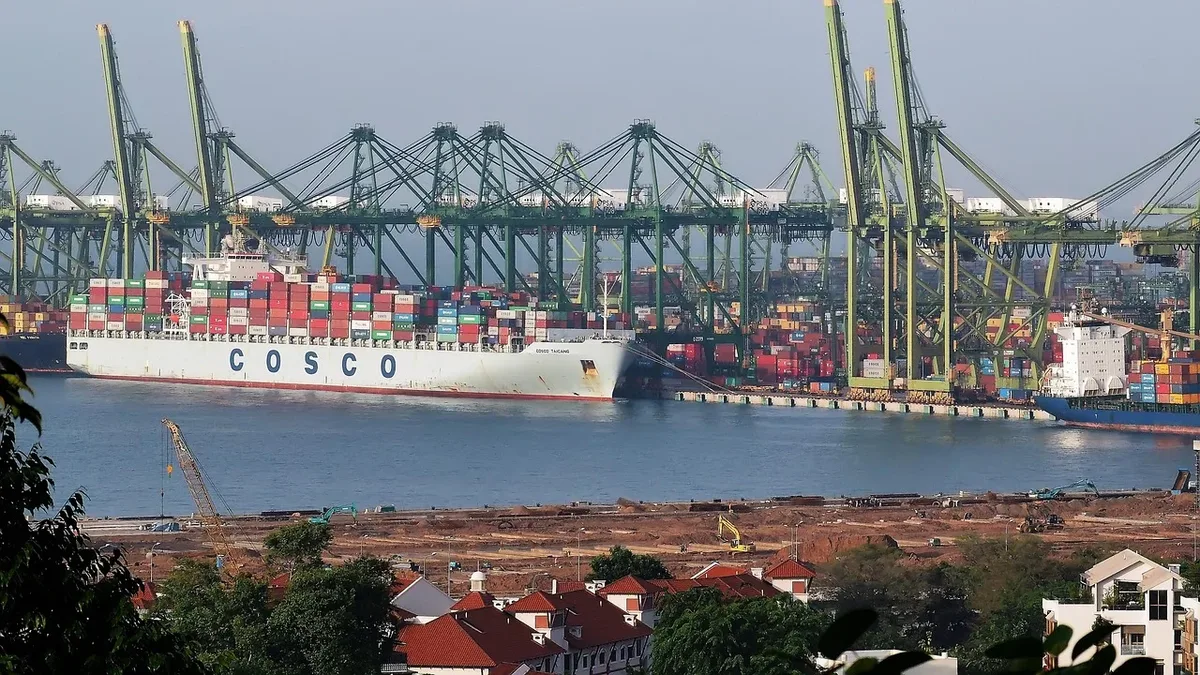
The Port of Oslo has slashed greenhouse gas emissions from shipping and port activities by 34% since 2017. Emissions have fallen from 47,700 to 31,505 tonnes of CO2, according to the port. This progress stems from a long-term political strategy called the Port of Oslo as a Zero-Emissions Port.
One clear signal of this transformation is visible at the Yilport Oslo container terminal in Sydhavna. This terminal handles about one-third of all containers arriving in Norway. It is now moving towards near-zero emission operations.
Nine electric terminal tractors are already in operation there, with more on the way. New fast chargers and planned electric stackers will soon allow the terminal to operate with practically no emissions. Both the sea cranes and terminal cranes are already electric. When three new electric stackers are delivered in 2026, all internal terminal machinery will be emission-free.
“This is an important breakthrough, not only for the port but for all of Oslo as a green and modern city,” said Oslo's Councilor for Urban Development, Anita Leirvik North. She stated it shows an ambitious climate policy yields concrete results.
Electrification Extends to the Fjord
The port's green transition isn't confined to the cargo terminals. In the summer of 2026, the Port of Oslo installed six new fast chargers for rental vessels at Rådhusbrygge 2. This charging infrastructure allows electric rental and tourist boats to recharge between trips.
It means vessels like the MS Brisen can perform more emission-free journeys in the fjord. “The main obstacle for electrifying short-sea shipping is access to charging,” explained Espen Larsen-Hakkebo, CTO and co-founder of Brim Explorer. He said the implemented infrastructure is crucial, allowing for longer daily emission-free trips in Oslo.
The charging station helps make the Oslo fjord quieter, cleaner, and more environmentally friendly.
Batteries and Client Actions Boost Capacity
To enable more electrification, the port must use energy more smartly. Two new large battery packs contribute to more flexible and efficient energy use. They have a total power of 1.8 MW and an energy capacity of 4 MWh.
This solution stores electricity when grid load is low for use when demand is high. “Grid capacity is a major limitation,” said Jens Eirik Hagen, the port's Technical Director for Energy Transition. “Batteries are a fundamental tool to expand electrification without overloading the grid further.”
The green transition is also being driven by the port's clients. Heidelberg Materials, a supplier of cement and concrete, put three electric concrete mixers into operation this year at its Sjursøya plant. It will incorporate more this autumn. Its competitor, Unicon, did so in 2023.
When emission-free solutions are used from ship to construction site, the climate effect is much greater than reductions achieved only within the port's perimeter.
The Road to 2030
The Port of Oslo has set a goal to reduce emissions from its operations by 85% by 2030. This covers both land activities and maritime traffic within the municipal boundaries. Port Director Ingvar M. Mathisen stated the vision is to be the world's most efficient and environmentally friendly urban port.
“I don't know the level of electrification of public maritime transport in Oslo elsewhere,” Mathisen said. He noted local ferries transport nearly 4 million passengers a year. Visionary and ambitious politicians have helped set the course for a zero-emission future, he added. The port has coordinated with Oslo's climate budget and set clear goals for emission-free operations.
The results of recent years show development is moving in the right direction, the port concludes.