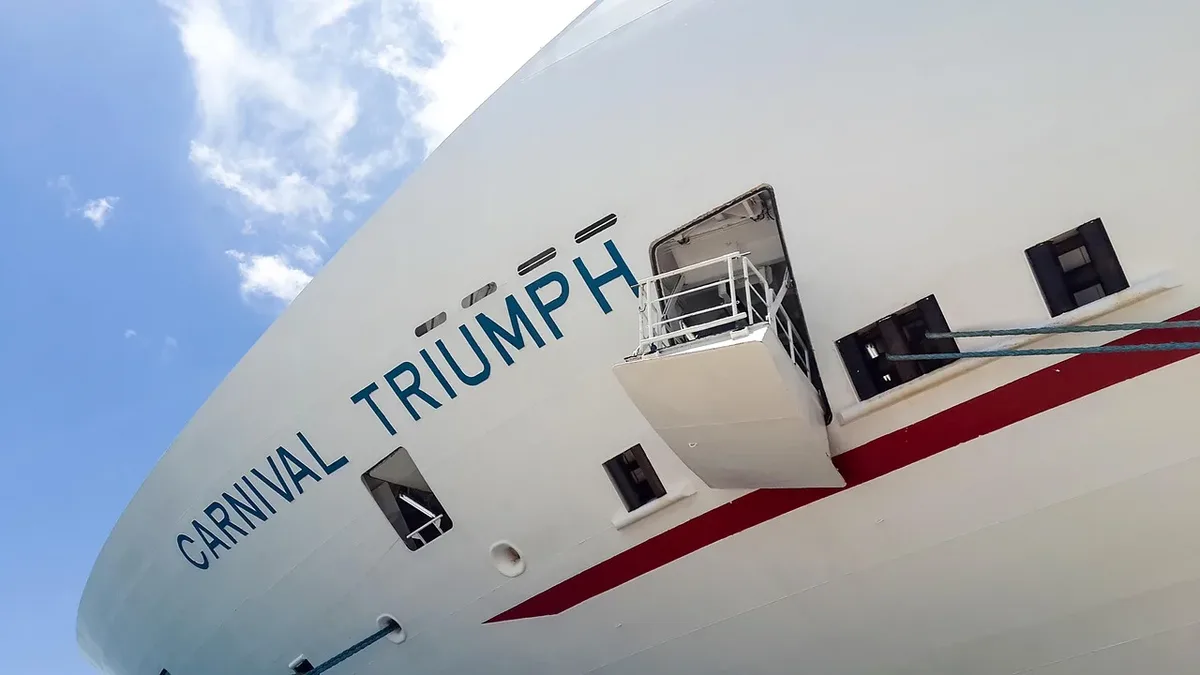
Carnival Venezia Funnel Repainted in Fleet Colors
Carnival Cruise Line has repainted the funnel of the Carnival Venezia, while a waste management company sees its dehydration technology adopted by multiple cruise brands.
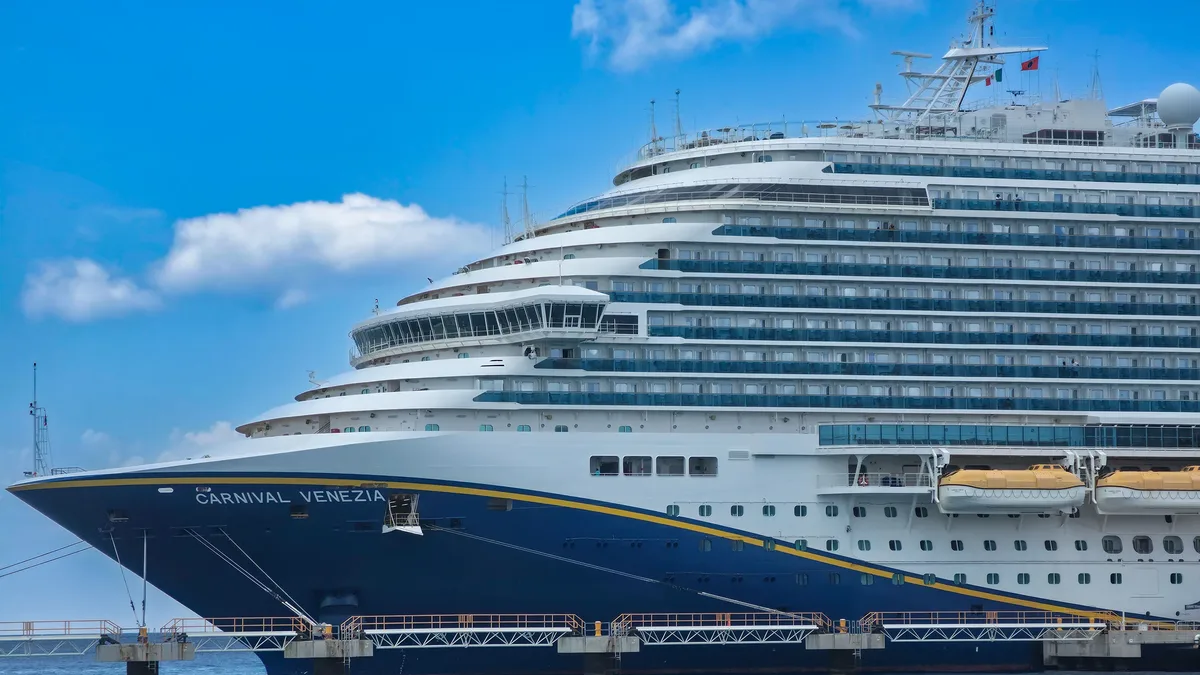
Two separate developments are making news in the cruise industry. Carnival Cruise Line has given one of its ships a visual makeover, changing its funnel colors. Separately, cruise lines are adopting new technology to manage onboard food waste more efficiently.
Carnival Venezia Funnel Repaint
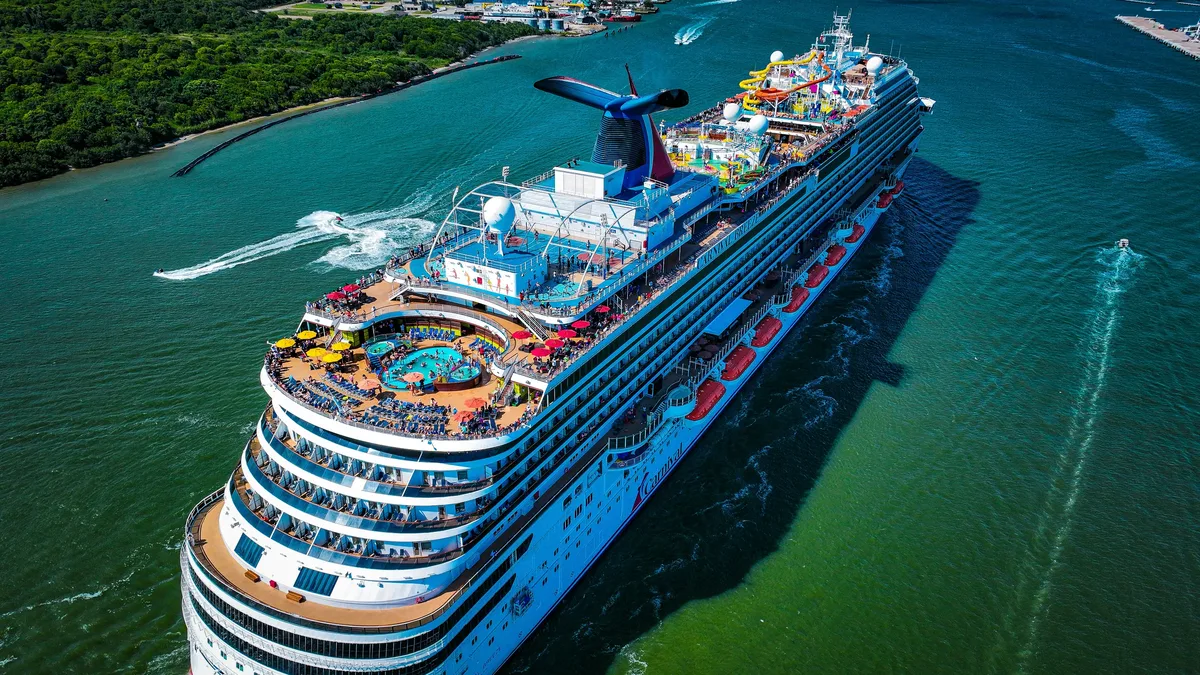
The Carnival Venezia has received a new paint job on its funnel. The work was completed on October 9, 2026, after the ship repositioned from New York to Port Canaveral. The vessel's distinctive Costa Cruises yellow stack has been replaced with Carnival's traditional red, white, and blue color scheme.
Carnival Brand Ambassador John Heald shared a close-up look at the new funnel on October 12. This sparked mixed reactions from cruising enthusiasts online. Some commenters expressed disappointment, viewing the change as a sign the ship would remain with Carnival long-term rather than returning to its former Costa fleet. Others approved of the new look, though several wished the ship had also been fitted with Carnival's signature whale-tail funnel shape, which it retains from its original design.
Online speculation has suggested the repaint could signal the end of the ship's 'Fun Italian Style' branding. However, Carnival has not confirmed any changes to the vessel's themed experience. The branding remains on the ship's hull, and the cruise line continues to advertise the Italian-themed amenities. The 4,090-guest ship began its winter season from Port Canaveral on October 10, 2026, with an eight-night Southern Caribbean itinerary.
Cruise Lines Adopt Food Waste Dehydrators
Hungry Giant Waste Systems, a company based in Austin, Texas, is seeing its food waste technology adopted by multiple cruise brands. Founder and CEO Chris O'Brien stated that some major brands have installed the systems across their entire fleets. The technology focuses on reducing the volume of food waste through dehydration.
The core principle is simple: most food waste is primarily water. By removing that moisture, the waste volume shrinks dramatically. The resulting dry, stable biomass is easier to store and offload. This is particularly valuable for international voyages, where food waste is classified as 'regulated garbage' by U.S. authorities and must be sterilized or incinerated before offloading in port.
The company offers different systems. Its 'Chewie' unit is a bio-grinder that grinds and dewaters food. Its bio-dehydrators use a cooking and steam-condensation process to dry the waste. O'Brien explained that some ships combine the systems for greater throughput, which reduces the frequency of offloads. He noted the systems are also suitable for retrofits on existing vessels.
This approach differs from traditional biodigesters used by many cruise lines. Digesters break down waste with microorganisms into a liquid slurry for discharge. Hungry Giant's dehydrators produce a solid byproduct. This material can be offloaded at port, used for fertilizer, or even burned for energy.