
Disney
| Ship class | Dream, Fantasy, Wish, Treasure |
|---|---|
| Ship capacity | 2,500 to 4,000 guests |
| Typical cruise length | 3 to 7 nights |
| Home ports | Port Canaveral, Miami |
| Primary destinations | Caribbean, Bahamas |
| Onboard currency | US Dollar |
| Primary market | Families with children |
| Distinctive feature | Disney character entertainment |
Origin and history
The Disney Cruise Line is an American cruise line founded by The Walt Disney Company. Its creation was announced in the mid-1990s as part of the company's strategic expansion into the vacation ownership and travel sectors. The line was established to translate the branded family entertainment experience of Disney's theme parks and media to a maritime setting. The first ship, Disney Magic, embarked on its maiden voyage in 1998, marking the company's official entry into the cruise industry. This launch followed years of planning and design focused on incorporating distinctive Disney features not found on other cruise lines. The line's origins are firmly rooted in the United States, with its operational headquarters located in Florida.
What it is for
Disney Cruise Line is designed to provide a premium, family-oriented vacation experience that integrates Disney's storytelling and character entertainment into a cruise format. Its primary purpose is to offer multi-generational travel where children, parents, and grandparents can find tailored activities and shared spaces. The itineraries are crafted to include visits to Disney's private island destination, Castaway Cay, which offers an exclusive beach experience. Onboard, the focus is on immersive themed dining, Broadway-caliber theatrical productions, and character meet-and-greets. The service model and children's clubs are structured to allow adults dedicated relaxation time while children are engaged in supervised activities. Ultimately, it serves as a seamless extension of the Disney brand vacation, prioritizing controlled environments and detailed theming over a more generic or adult-centric cruise experience.
Disney ships by size
Disney Cruise Line's fleet is categorized into distinct classes that determine size, passenger capacity, and onboard amenities. The smallest class is the *Magic*-class, which includes the Disney Magic and Disney Wonder; these ships are approximately 984 feet in length and have a gross tonnage around 83,000, carrying about 2,400 passengers. The larger *Dream*-class, comprising the Disney Dream and Disney Fantasy, measures roughly 1,115 feet in length with a gross tonnage of approximately 130,000, accommodating around 4,000 passengers. The newest and largest class is the *Triton*-class, including the Disney Wish, with subsequent ships Disney Treasure and Disney Adventure; these ships are about 1,119 feet long, have a gross tonnage nearing 144,000, and can carry over 4,000 passengers. The upcoming Disney Adventure will be the largest in the fleet, purpose-built for the Asian market from a former Global Dream hull.
Best Disney ships
The designation of "best" ship often depends on the specific needs of the traveling party, as each vessel offers different features and itineraries. For the latest technology and most elaborate new attractions, such as the AquaMouse water coaster and themed suites like the Star Wars: Hyperspace Lounge, the newer *Triton*-class ships like Disney Wish are frequently highlighted. For classic Disney cruising with a more intimate feel and unique itineraries, including longer voyages and Alaskan cruises, the original Disney Magic and Disney Wonder remain highly regarded. The Disney Fantasy is often cited for its extensive offerings on longer seven-night Caribbean itineraries, including more elaborate rotational dining options and adult districts. The Disney Dream is popular for shorter three- and four-night Bahamian cruises, providing a concentrated version of the signature experience. Ultimately, newer ships appeal to those seeking the most modern amenities, while older vessels attract guests preferring traditional maritime design and less crowded spaces.
Overview
A Disney cruise integrates meticulously themed environments, from the grand atrium to the stateroom corridors, with a consistent narrative focus across the entire ship. Itineraries commonly feature at least one day at Castaway Cay, Disney's private island in the Bahamas, which includes family beaches, adult-exclusive areas, and dedicated dining pavilions. Cabin categories range from standard inside staterooms to elaborate concierge-level suites and heavily themed accommodations like the Wish's Star Wars and Marvel suites. Dining operates on a unique rotational system where guests move between three main restaurants with their serving team, accompanied by themed entertainment and menus. Onboard pricing follows a premium model, with base fares typically higher than many mainstream cruise lines, reflecting the included entertainment and character access. The experience is intentionally all-encompassing, with scheduled activities, deck parties, and movies aligning with Disney film releases and franchises.
What to know
Booking a Disney cruise requires understanding its unique operational model and cost structure compared to other lines. Advance reservations are critical for popular onboard activities, adult dining, spa times, and port adventures, as they can fill quickly after the booking window opens. The rotational dining system means you will be assigned a schedule and table for your party, moving to a different main restaurant each night. While many activities are included, additional costs apply for specialty dining like Palo or Remy, alcoholic beverages, spa services, shore excursions, and certain children's programs like the Bibbidi Bobbidi Boutique. The ships do not have casinos, reflecting the family-focused atmosphere, but instead feature extensive adult-only districts after a certain hour. Travelers should also note that the onboard atmosphere is highly immersive and character-driven, which can mean constant music, announcements, and scheduled events that may overwhelm those seeking a quiet retreat.
Common questions
A frequent question is whether a Disney cruise is suitable for families without children or for adult-only groups, to which the answer is yes, given the dedicated adult districts, dining, and entertainment, though the overall ambiance remains family-centric. Guests often ask about the need for formal wear, and while most nights are cruise casual, most voyages include one optional formal night and one optional semi-formal night. Many inquire about the availability of Disney characters, who appear regularly for meet-and-greets and in shows, though lines can be long and some interactions may require a free ticket obtained on embarkation day. A common logistical question concerns the policy on bringing alcohol onboard, which allows a limited quantity of wine or beer in carry-on luggage on embarkation day only. Travelers also ask about the kids' clubs, which are included in the fare and offer extensive, supervised programming for ages three through seventeen, with secure check-in/out procedures. Finally, many wonder about the value proposition, which hinges on whether the premium cost is justified by the included entertainment, food quality, and service level compared to other family cruise options.
Pros and cons
A significant pro is the exceptional quality and theming of the children's clubs, which are often cited as the best at sea, providing parents with genuine respite. The rotational dining system and generally high food quality in included venues, along with unique experiences like Animator's Palate, are consistent strengths. A major con is the substantial cost premium across all cabin categories and itineraries, which can be double the per-person rate of other mainstream lines for similar destinations. The intensely programmed, high-energy atmosphere can lead to sensory overload for some guests and feels less like a relaxing escape than a managed entertainment schedule. Common regrets come from adults traveling without children who underestimated the pervasive presence of families and children in all but the segregated adult areas, finding limited true quiet space. A frequent mistake is failing to book popular add-ons like adult dining or Castaway Cay cabanas the moment reservations open, leading to disappointment and limited onboard options.
Who it suits
Disney Cruise Line ideally suits multi-generational families and first-time cruisers who are already Disney enthusiasts and prioritize familiar characters and branded entertainment. It is a strong match for parents with young children who value the extensive, included kids' clubs and the controlled, safe environment for independent child activities. The line also appeals to adults traveling with children who seek a premium level of service, detailed theming, and high-quality theatrical productions not commonly found on other family-oriented ships. It is less suited for budget-conscious travelers, adults seeking a primarily romantic or tranquil getaway, or those who prefer casino gaming and late-night party atmospheres. Serious cruise enthusiasts who prioritize diverse itineraries, exotic ports of call, or a more destination-focused experience may find the Disney model overly ship-centric and repetitive. Ultimately, it best serves those for whom the Disney brand and its specific type of immersive family entertainment are a primary vacation goal.
Latest Disney news
Latest reporting
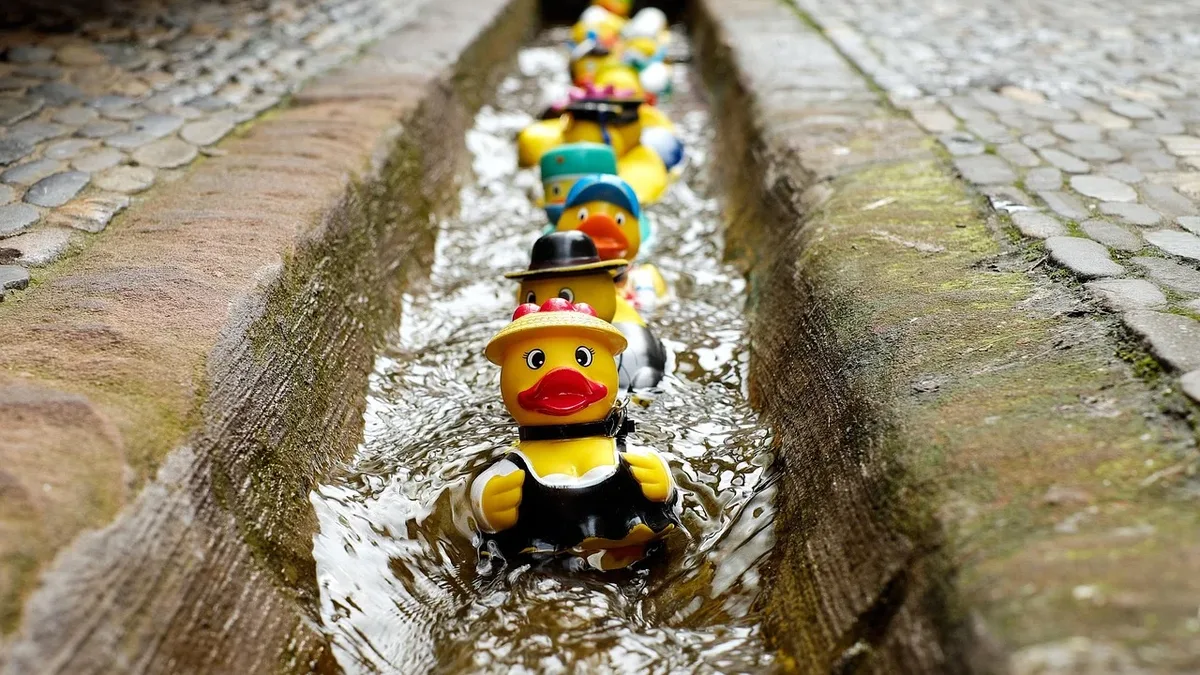
Three Cruise Lines Restrict Hiding of Cruise Ducks
Disney Cruise Line, Royal Caribbean, and Marella Cruises have implemented restrictions on the popular practice of hiding rubber ducks on their ships
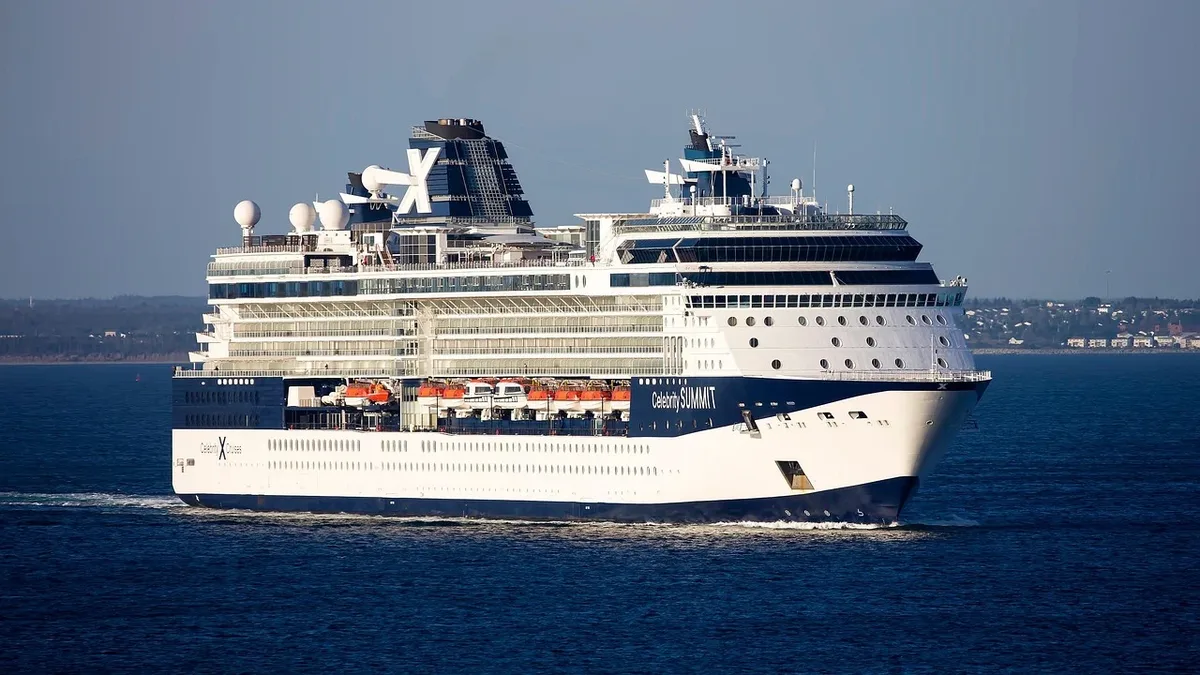
Disney Cruise Line Teaser
Disney Cruise Line has posted a teaser on Facebook with latitude coordinates, hinting at a big announcement about new itineraries or homeports

Disney Unveils Design Details for Upcoming Ship Disney Believe
Disney Cruise Line has revealed the design plans for its new ship, Disney Believe, including the Grand Hall and exterior artwork
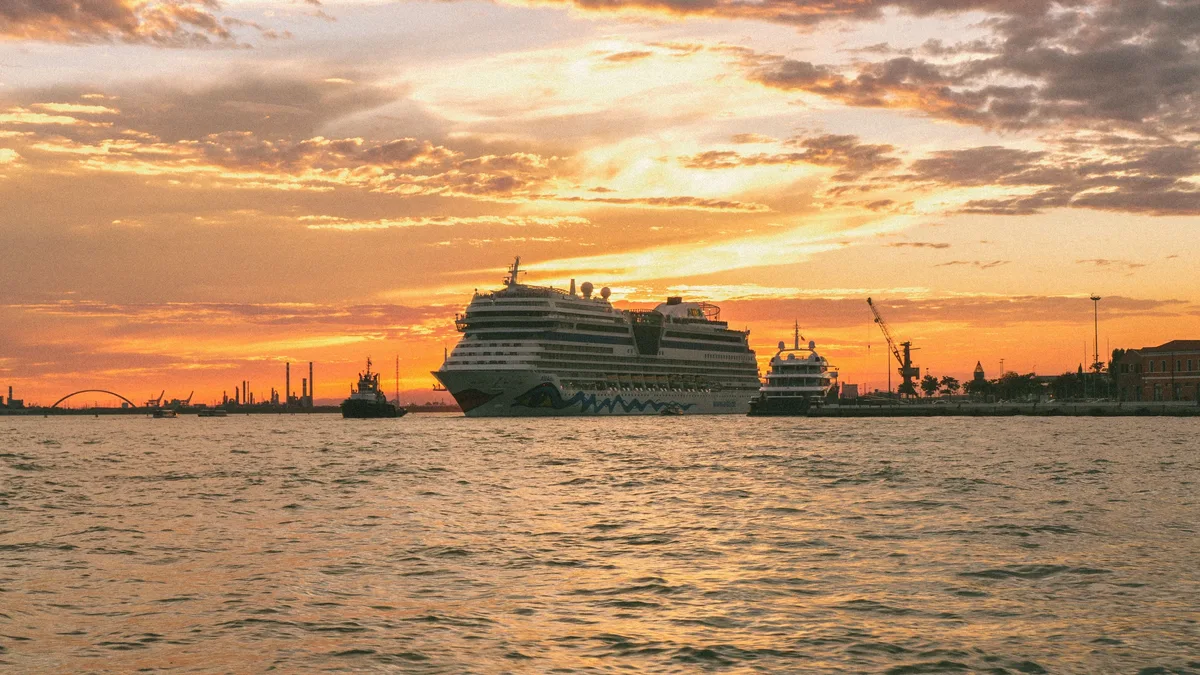
Disney Cruise Line Unveils New Ship Class
Disney Cruise Line has revealed the first details of its new ship class, set to be built at the Meyer Werft shipyard in Germany.