Starlink Wi-Fi Drives Sea-Day Mobile Gaming Surge
A survey shows 72% of modern cruise passengers use Starlink satellite internet for mobile gaming on sea days, with free-to-play social casino apps seeing

Seventy-two percent of modern cruise travelers now use Starlink Wi-Fi for casual mobile gaming on sea days. The shift is attributed to the low-latency satellite internet service, which has replaced older, slower systems that were ill-suited for interactive apps.
**What Starlink Actually Changed**
Older cruise ship internet relied on satellites positioned about 22,000 miles away, creating significant delays that made real-time interaction difficult. Starlink's low Earth orbit satellites, a few hundred miles up, reduce round-trip delay to around 25 milliseconds. Its maritime service advertises download speeds up to 350 Mbps, though real-world speeds on a full ship are lower. This improvement has moved shipboard internet from being nearly unusable for gaming to being functional.
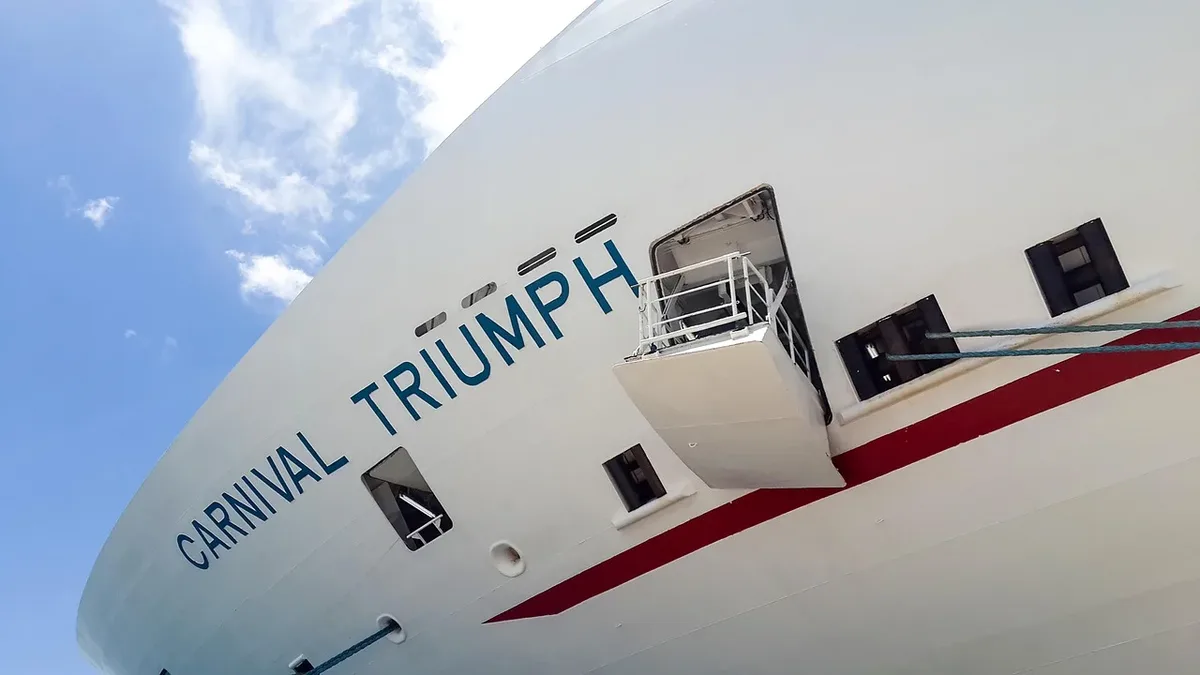
Royal Caribbean International moved first, announcing a fleet-wide Starlink rollout in August 2022 after a successful pilot. Carnival Corporation, the parent of Carnival Cruise Line, followed and has since confirmed Starlink is active across its entire global fleet.
**Why Sea Days Are the Pressure Point**
Port days naturally occupy passengers with off-ship activities. Sea days, however, create predictable pockets of unstructured time, such as the hour before the pool deck gets busy, the mid-afternoon lull, or the gap between dinner and the evening show. Bad weather can push everyone indoors simultaneously. These windows are too short for a movie but too long to sit idle, perfectly matching the demand profile for casual mobile games.
**What People Are Actually Playing**
The games are not exotic. Passengers primarily play common puzzle, word, and solitaire games. The fastest-growing category at sea is free-to-play social casino apps. These use a dual-currency system-one virtual currency with no cash value and a second promotional currency-designed to operate outside real-money gambling regulations.
Their legality varies by location. Connecticut and Montana have banned the model. New York's Attorney General sent cease-and-desist letters to 26 platforms, and several other states have related bills moving. These apps are well-suited for ships because they are built for short sessions, so a dropped connection is not costly, and they are data-light, which is key on a shared satellite link. This activity does not replace the ship's physical casino, which still closes in port and territorial waters.
**The Wi-Fi Package Math**
Ship internet is typically sold in tiered daily plans, with the cheapest heavily throttled and the top tier marketed for streaming. For casual gaming, the top tier is usually unnecessary, as puzzle apps use trivial data. The key purchase is a stable connection, which the entry-level plan often provides. Loyalty program benefits significantly alter the cost, with many repeat cruisers receiving free or heavily discounted access.
**Getting a Clean Connection on a Sea Day**
A few practical habits can improve the experience:
These steps represent the difference between a functional connection and one that becomes a dinner-table complaint. The broader impact is that cruise lines, which long treated internet as a grudging amenity, now offer a service passengers actively plan their sea-day activities around. While paperbacks are still seen on deck, they now have competition that did not exist three years ago.