Beach Day
| Ship | Varies by itinerary |
|---|---|
| Itinerary | Varies by sailing |
| Port of departure | Varies by sailing |
| Duration | Half-day to full-day |
| Inclusions | Typically lounge chair, umbrella, and sometimes a beverage |
| Beach type | Varies by location (e.g., sandy, cove, resort) |
| Activity level | Relaxed |
Origin and history
The organized cruise ship shore excursion known as a "Beach Day" has no single point of origin, as it evolved from the broader tradition of seaside leisure travel. The concept of a dedicated beach resort visit as part of a packaged tour gained significant popularity in the latter half of the 20th century alongside the growth of mass-market cruising. Its development is directly tied to the expansion of Caribbean and Mediterranean cruise itineraries from the 1960s onward, where beach-centric tourism was already a well-established industry. Cruise lines began formally offering these excursions to provide passengers with a predictable and convenient way to access curated coastal facilities. The modern "Beach Day" excursion solidified as a standard offering in cruise line brochures by the 1980s and 1990s, responding to passenger demand for simple, relaxing options in tropical ports. It represents a commercial formalization of the universal desire to visit a pleasant shoreline, adapted to the constraints and logistics of a ship's port schedule.
What it is for
A Beach Day shore excursion is a pre-bookable activity sold by a cruise line, designed to transport passengers from the ship to a specific beach location for a set duration. Its primary function is to provide a guaranteed, organized experience that includes amenities like lounge chairs, umbrellas, and sometimes lunch and beverages, which may not be readily available to independent travelers. The excursion handles all logistics, including round-trip transportation, which is particularly valuable in ports where the desirable beaches are a significant distance from the cruise terminal. It also often provides a secured area or private access, aiming to offer a controlled environment for passengers. Furthermore, it serves as a time-management tool, ensuring passengers return to the ship before its scheduled departure, thereby mitigating the risk of being left behind. Ultimately, it is for passengers who prioritize convenience, security, and the simplicity of a pre-arranged leisure day over independent exploration and potential cost savings.
Pros and cons
A primary pro of a Beach Day excursion is the elimination of logistical stress, as the cruise line manages transportation and timing, allowing passengers to fully relax without watching the clock. The provision of dedicated facilities, such as reserved loungers and shade, ensures comfort and avoids the common hassle of searching for and paying for these items separately. The inclusion of food and drink packages in some excursions can also represent good value and further convenience. A significant con is the cost, which is invariably higher than arranging a similar day independently using local taxis and public beaches, often by a factor of two or three. The experience can also feel crowded and impersonal, as these excursions frequently deliver large groups to the same resort, diminishing any sense of secluded tranquility. Passengers who regret this choice are often those who discover that the promoted "pristine private beach" is a crowded cove shared with other ships, or those who find the rigid schedule stifling if they wish to leave earlier or later than the group.
Who it suits
This excursion suits first-time cruisers or those visiting a port for the first time who feel apprehensive about navigating foreign transportation systems and language barriers independently. It is also well-suited to families with young children, as the managed logistics, on-site facilities, and guaranteed return to the ship reduce complexity and anxiety. Passengers with mobility challenges may benefit from the excursion's structured transportation and pre-arranged seating, assuming the specific beach venue is accessible. It appeals to those for whom a port day's primary purpose is uninterrupted relaxation rather than cultural immersion or adventurous exploration. Conversely, it typically does not suit budget-conscious travelers, avid explorers who value autonomy, or passengers who are familiar with a port and know how to access beaches easily on their own. It is also a poor fit for those seeking a quiet, romantic, or secluded beach experience, as the designated areas are rarely exclusive.
Latest Beach Day news
Latest reporting
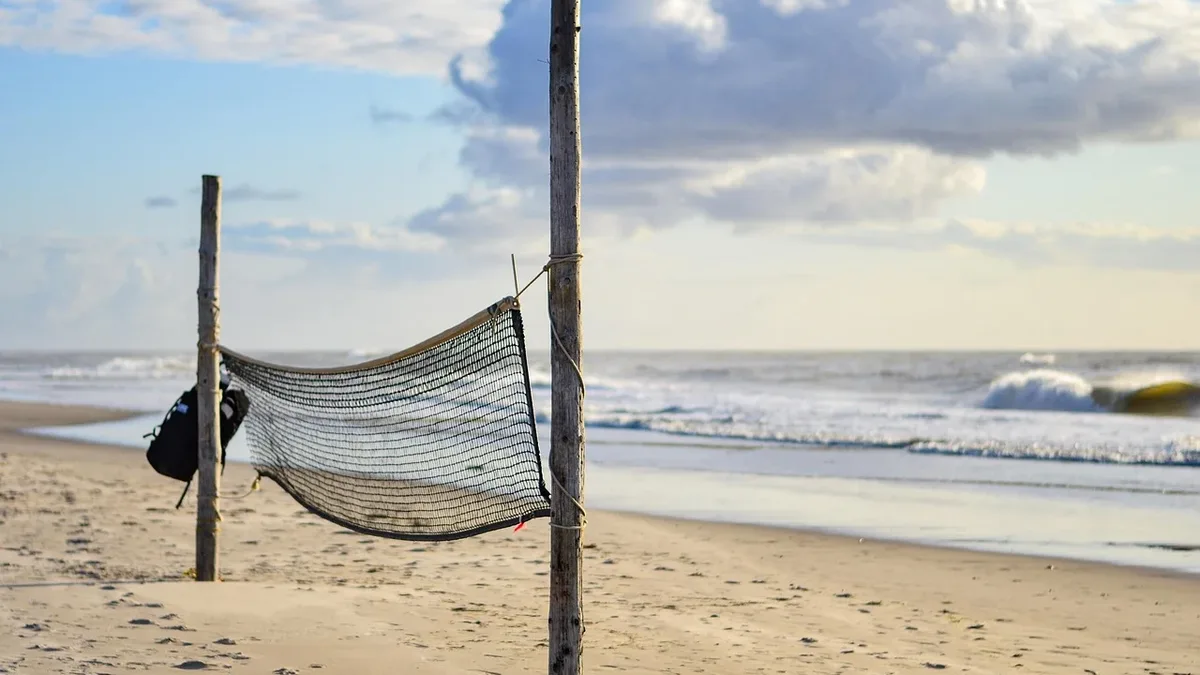
Holland America Opens Paid Beach Club at Half Moon Cay
Holland America Line is opening a new paid Beach Club at its Half Moon Cay private island in The Bahamas this October, alongside free upgrades to...

Carnival Panorama Passenger Jumps Overboard Near Mexico
A male passenger jumped overboard from Carnival Panorama on September 19, 2026, during a sailing from Puerto Vallarta to Long Beach.
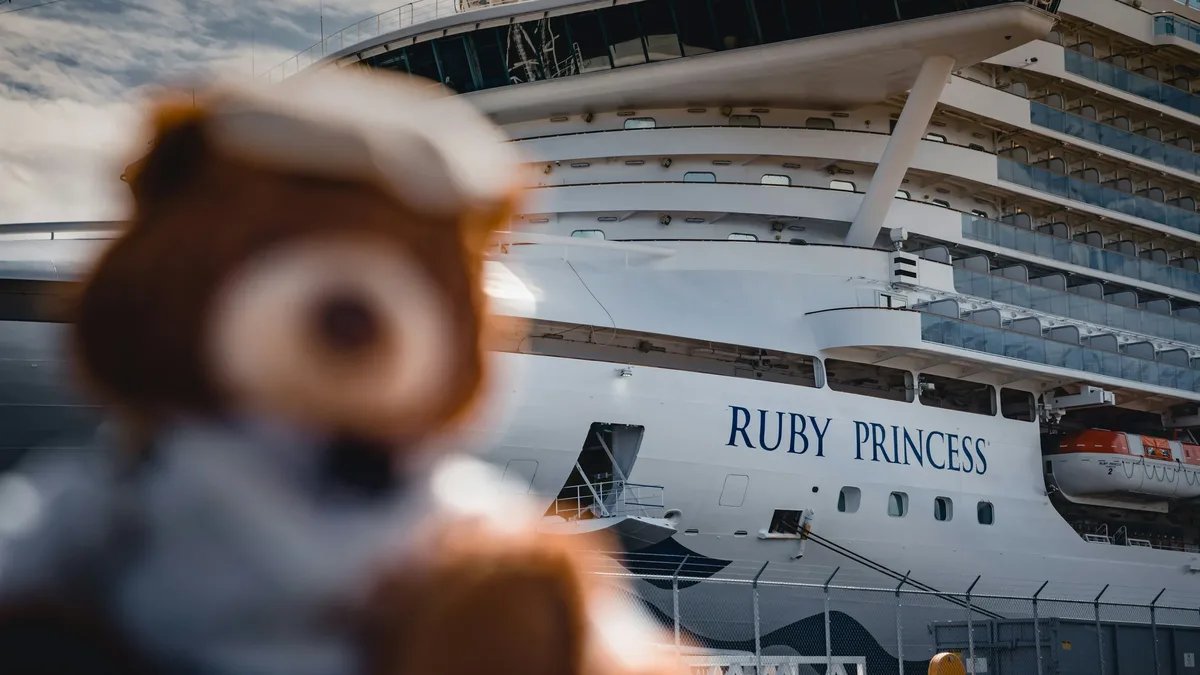
Royal Caribbean Cancels Beach Club Passes for Nassau Visit
Royal Caribbean has cancelled guest reservations for its Royal Beach Club Paradise Island in Nassau on January 23, 2027, due to a chartered sailing.
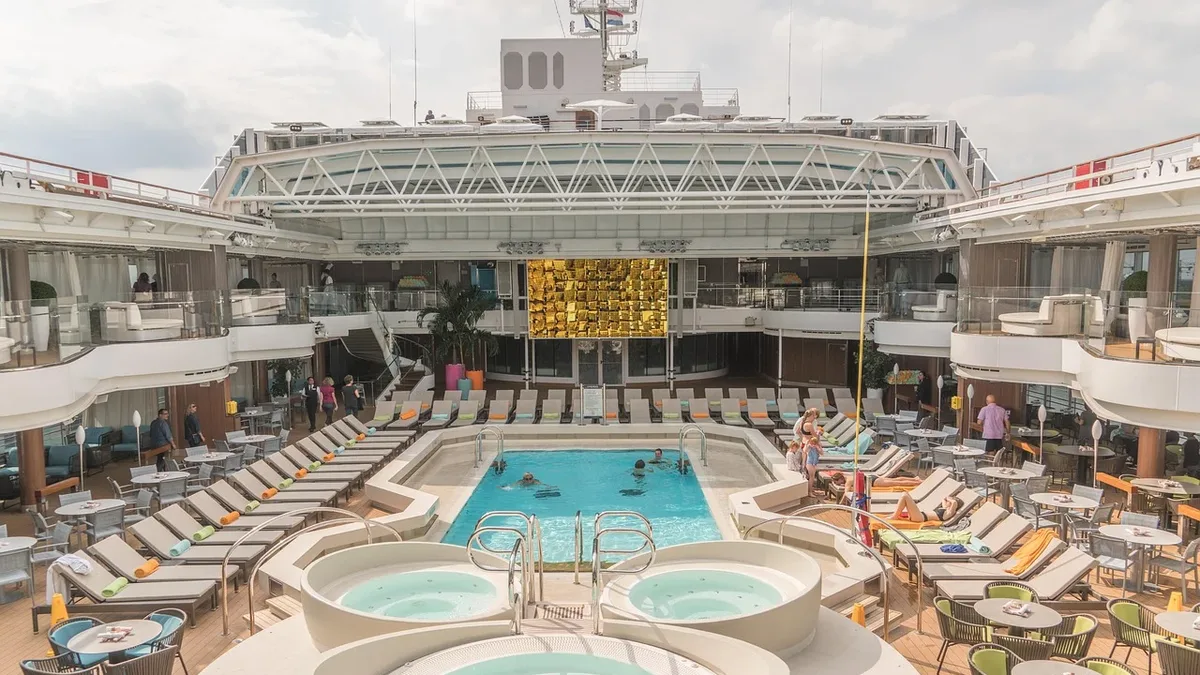
Royal Caribbean Expands Bidding for CocoCay Experiences
Royal Caribbean's RoyalUp program now lets passengers bid on premium experiences like cabanas and beach beds at Perfect Day at CocoCay.
Carnival Celebrates Fun-ternship Program Student Graduates
Carnival Cruise Line celebrated the graduation of local high school students from its Fun-ternship Program in Long Beach, Baltimore, and Norfolk.