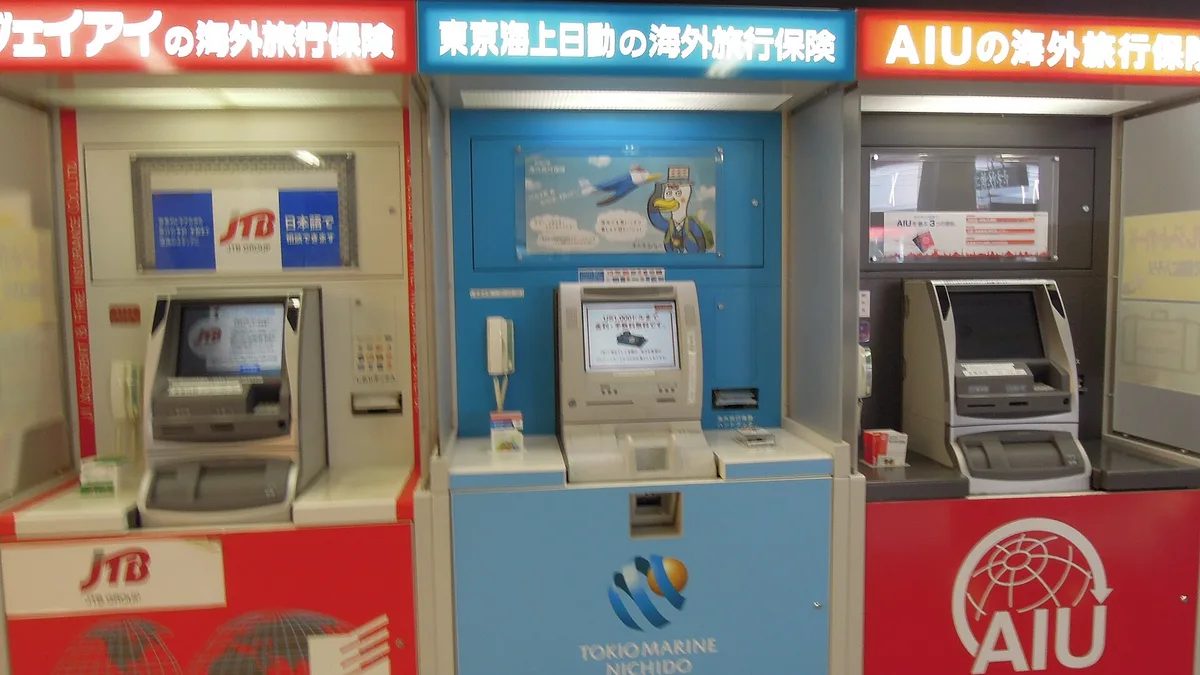
Travel And Cancellation Insurance
| Coverage type | Trip cancellation, interruption, delay, medical, baggage |
|---|---|
| Coverage period | From departure to return, varies by policy |
| Coverage limits | Varies by policy and provider |
| Pre-existing conditions | Often excluded, varies by policy |
| Cancellation reasons covered | Illness, injury, severe weather, varies |
| Emergency medical evacuation | Typically included, limits vary |
| Baggage loss/delay | Typically included, limits vary |
| Supplier default | Often excluded, varies by policy |
Origin and history
Modern travel and cancellation insurance, as a distinct product from broader travel insurance, largely developed in the late 20th century within the commercial travel markets of North America and Western Europe. Its evolution is closely tied to the rise of package tours and cruise vacations, where consumers began making substantial non-refundable deposits far in advance of their travel dates. The increasing complexity and cost of international travel itineraries created a demand for more specific financial protection against trip interruption and cancellation. Initially, such coverage was often bundled within comprehensive travel insurance policies sold by airlines or tour operators. The niche for standalone cancellation protection grew as consumers sought to safeguard significant investments in pre-paid cabin accommodations and complex multi-port itineraries. The product became standardized and widely offered by specialized insurers and travel agencies from the 1990s onward, responding to the contractual realities of modern cruise and tour bookings.
What it is for
This insurance is specifically designed to reimburse a traveler for pre-paid, non-refundable trip costs if they must cancel or interrupt their journey for a covered reason. Covered reasons typically include unforeseen illness, injury, or death of the traveler, a family member, or a traveling companion. It also commonly applies to specific unforeseen events such as jury duty, subpoena, or certain employment terminations. For a cruise, the covered costs usually include the fare for the specific cabin category booked, port taxes, and fees paid to the cruise line. The insurance functions as a financial backstop, converting non-refundable payments into protected assets under the terms of the policy. Its primary purpose is to mitigate the economic risk of losing sometimes thousands of dollars invested in a cabin and itinerary due to circumstances outside the traveler's control.
Pros and cons
A significant pro is the financial security it provides, allowing travelers to book expensive cabins and complex itineraries well in advance without fear of total loss. It also often includes secondary benefits like emergency medical coverage and medical evacuation, which are crucial in remote ports or at sea. A major con is the prevalence of exclusions and conditions that can void coverage, such as pre-existing medical conditions not waived within a strict timeframe. Many travelers regret purchasing cheaper policies without realizing they exclude cancellation due to work commitments or "change of mind," which are common reasons for needing to cancel. A common mistake is assuming all reasons for cancellation are covered, leading to denied claims when a traveler cancels due to a disinclination to travel or an uncovered world event. Furthermore, the insurance cost itself is an additional, non-recoverable expense added to the trip's total price, which can feel wasted if the trip proceeds without incident.
Who it suits
This insurance suits travelers who have invested a substantial, non-refundable amount in their cruise cabin and overall itinerary, where the potential loss would cause financial hardship. It is particularly advisable for older travelers or those with known but managed health conditions, provided they secure the necessary pre-existing condition waiver. It suits individuals booking trips many months or even a year in advance, as the probability of a life event necessitating cancellation increases with time. Families coordinating complex group travel also benefit, as coverage often extends to cancellations due to a family member's illness, not just the primary policyholder. Conversely, it is less critical for travelers booking last-minute, flexible-fare trips with minimal cancellation penalties or those who could absorb the total loss of their trip cost without significant impact. It is a product for risk-averse planners who value certainty and financial protection over the lower upfront cost of forgoing insurance.
Latest Travel And Cancellation Insurance news
Latest reporting
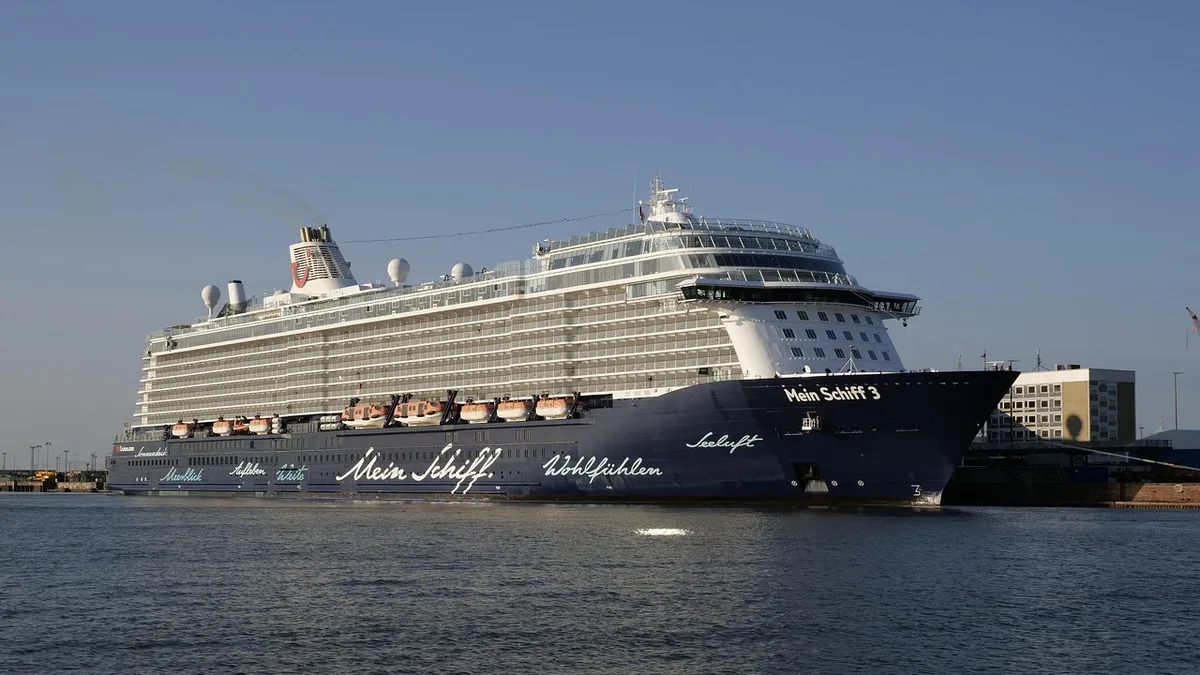
AIDA Launches SuperSeptember Booking Promotion
AIDA's SuperSeptember promotion offers onboard credit for guests and a booking competition for travel agencies in September 2026.
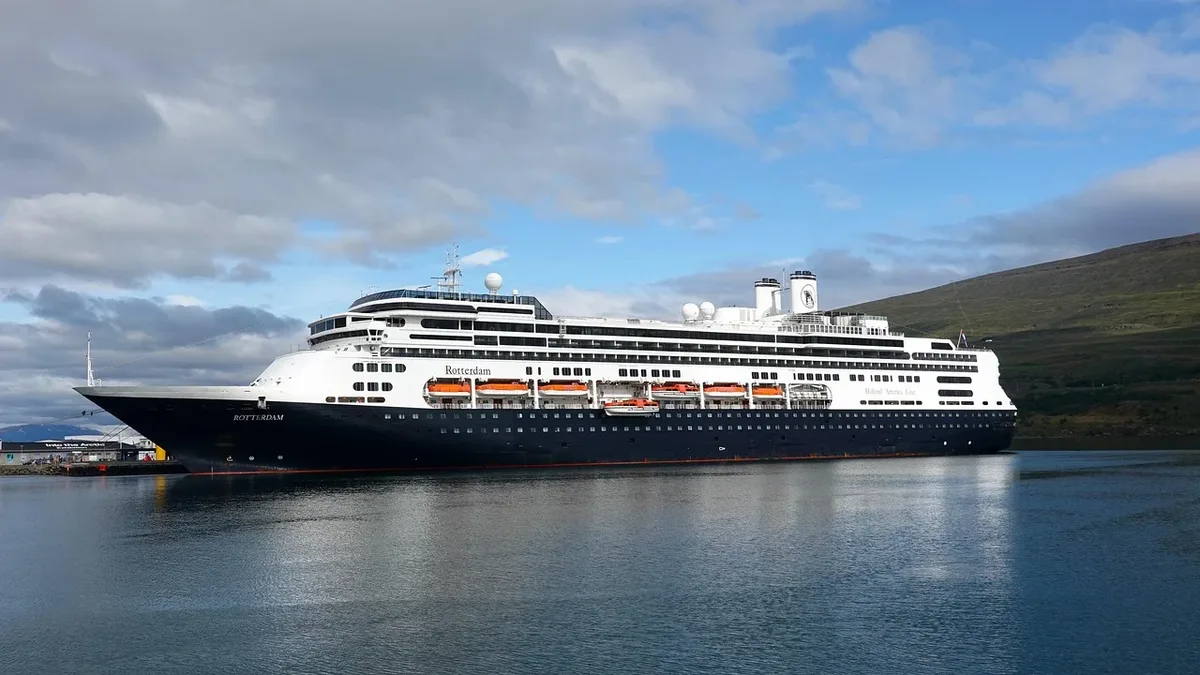
TIP Travel Confirms 2027 Summer Cruise and Flight Packages
TIP Travel has presented its confirmed cruise and flight packages for the 2027 summer season, featuring Costa Cruises sailings from Buenos Aires and...

Riviera Travel River Cruises launches 2028
Riviera Travel River Cruises has opened bookings for its 2028 itineraries across European and Mekong waterways, introducing 'The Riviera Moment'...
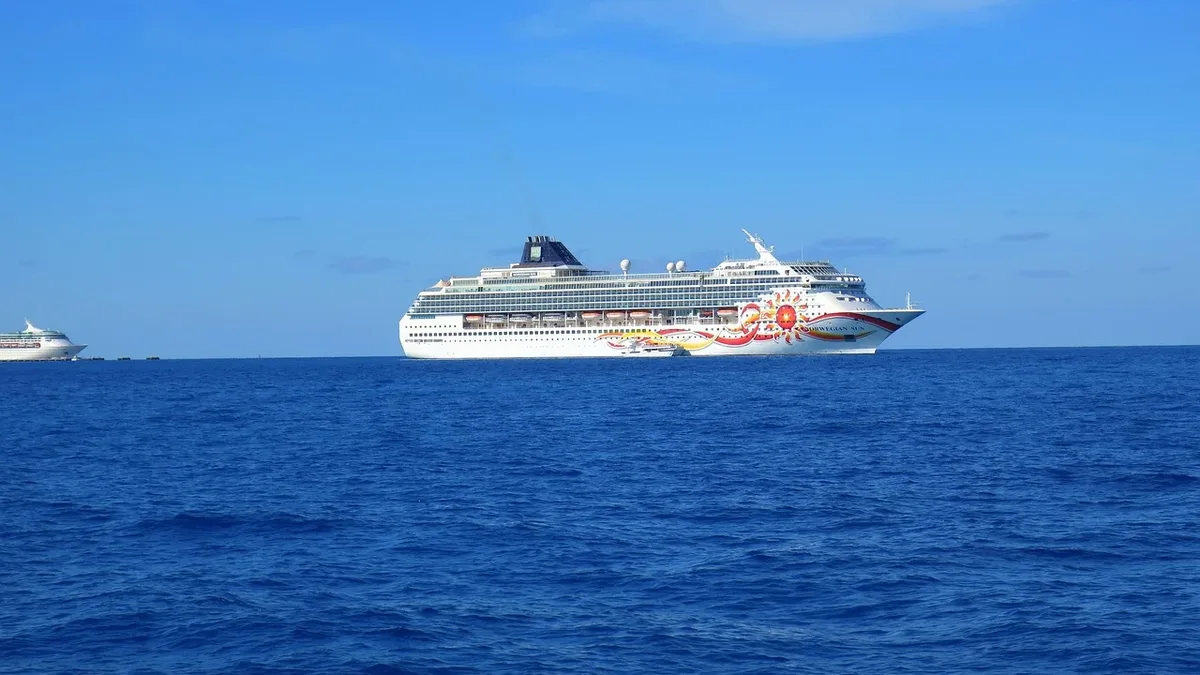
Travel Institute launches CTA Immersion
The Travel Institute has launched a new CTA Immersion Program, combining certification preparation with onboard learning.

APT Travel Group Expands into U.S. with European River Cruises
APT Travel Group is introducing its river cruises to the U.S. for the first time in nearly a century, offering cruises along Europe’s iconic rivers...
Havila Voyages Partners with Ocean Bottle for Sustainable Travel Souvenirs
Havila Voyages has teamed up with Ocean Bottle to offer guests a sustainable, branded bottle as a keepsake from their coastal voyages. The...